





The Problem with Protein Overload
Protein is essential, but it’s a “digest-first” nutrient. Our small intestine is designed to absorb it efficiently. However, when we consume very large amounts, some of that protein inevitably escapes digestion and travels down to the large intestine,
or colon. This is where things can get complicated. The colon is home to trillions of bacteria, and some of them ferment this leftover protein. This process, sometimes called putrefaction, produces a range of byproducts, including ammonia, phenols, and hydrogen sulfide. In small amounts, this is normal. But in high concentrations from a consistently high-protein diet, these compounds can be inflammatory and potentially damaging to the cells that line your colon. Research suggests this environment, particularly in the distal colon where protein fermentation is most active, may be linked to long-term gut health problems.
Your Gut's Guardian: Dietary Fiber
This is where dietary fiber steps in as the hero. Unlike protein and fat, fiber passes through the small intestine largely undigested, arriving in the colon ready for action. Here, it serves several protective roles. Firstly, it acts as a bulking agent, helping to move waste through the colon more quickly and diluting the concentration of harmful protein byproducts. Secondly, and most importantly, fiber is the preferred food for many of the beneficial bacteria in your gut. When these good microbes ferment fiber, they create an entirely different set of byproducts that are incredibly beneficial for gut health.
Enter Butyrate: The Gut's Super-Fuel
The star byproduct of fiber fermentation is a short-chain fatty acid (SCFA) called butyrate. This molecule is the primary energy source for the cells lining your colon, known as colonocytes. By feeding these cells, butyrate helps maintain a strong, healthy gut barrier. A robust gut lining is crucial for preventing inflammatory compounds from causing damage. Furthermore, the production of butyrate and other SCFAs lowers the pH of the colon, creating a more acidic environment. This acidity naturally discourages the growth of the bacteria that thrive on protein fermentation, shifting the microbial balance in a healthier direction. So, a fiber-rich environment actively works against the negative side effects of protein breakdown.
The Importance of the Food Matrix
Now, let’s talk about “high-density fiber inclusions.” This isn’t just about sprinkling fiber powder on a steak. The term refers to how fiber is physically integrated within a food's structure, or its “food matrix.” Think of the fiber in a whole lentil or a piece of whole-grain bread. It’s woven into the food itself, alongside proteins and carbohydrates. This physical structure is more than just packaging; it acts as a barrier that slows down digestion. This means that both the fiber and some of the protein are delivered to the colon together, which is exactly what you want.
How Inclusions Offer Targeted Protection
When fiber is an integral part of the food matrix, it ensures that the fiber reaches the distal colon—the same place where excess protein is being fermented. This co-localization is key. The fiber arrives just in time to be fermented into protective butyrate right where the colon lining is most vulnerable to the ammonia and phenols from protein breakdown. The fiber essentially runs interference, providing a better food source for good bacteria, lowering the pH, and producing fuel for the colon cells. This synergy is less effective when fiber is consumed separately, as the timing and location of its fermentation might not align perfectly with where the protein breakdown is happening.
Putting It on Your Plate
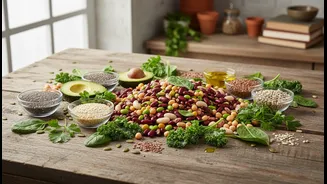
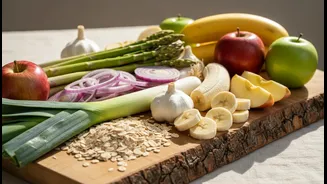
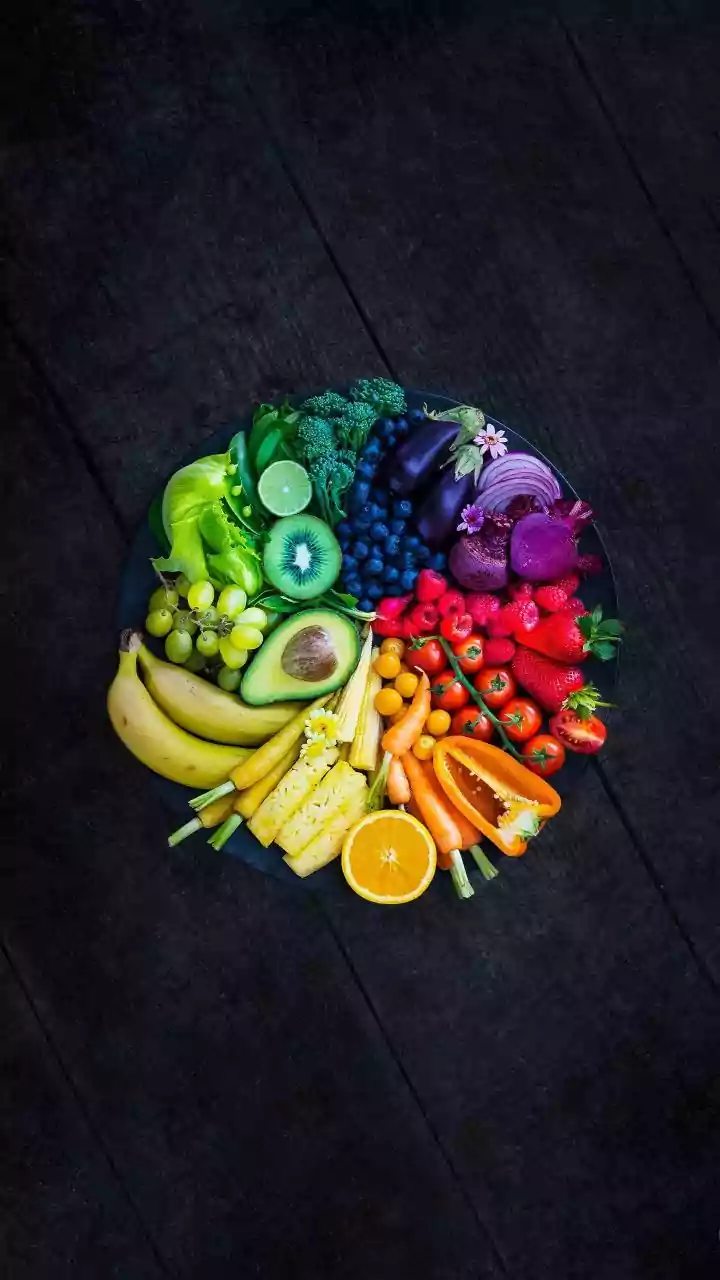
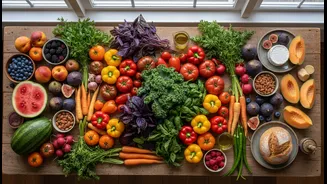
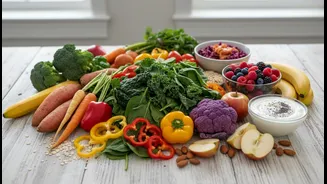
To leverage this protective effect, focus on whole foods where protein and fiber naturally coexist. Legumes are a prime example: lentils, chickpeas, black beans, and kidney beans are packed with both. Whole grains like quinoa, barley, and oats also fit the bill. When eating animal protein, consciously pair it with high-fiber foods that have a strong structure. Think a side of hearty roasted vegetables like broccoli or Brussels sprouts, a salad with seeds and nuts, or a serving of whole-grain pilaf. The goal is to avoid isolating macronutrients and instead consume them as part of a complex, whole-food meal that your digestive system is designed to handle.