

A Shift in Travel Priorities
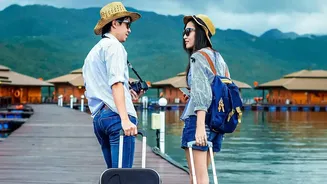
Indian travellers are increasingly choosing to explore their own country, but with a specific goal in mind: to immerse themselves in its rich cultural fabric. Recent travel reports show a clear pattern—many are planning short holidays, often over long
weekends, to coincide with regional festivals. This marks a significant shift from conventional sightseeing towards more meaningful, experience-led journeys. Instead of just visiting a place, people want to participate in its living culture. Travel companies report that festivals have become a primary driver for holiday planning, with a significant number of travellers building their trips around these events. Data shows that over two-thirds of Indian travellers are now planning trips centered on heritage, festivals, and food.
The Allure of Authentic Experiences
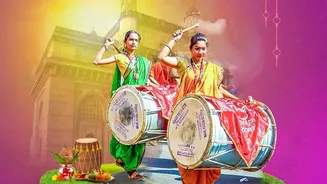
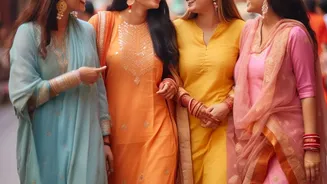
What’s driving this trend? A desire for authenticity. Travellers are seeking to connect with local traditions in a way that a typical vacation might not allow. From the community spirit of Durga Puja in Kolkata to the vibrant energy of Ganesh Chaturthi in Maharashtra, these festivals offer a unique window into the soul of a region. For example, attending the Hornbill Festival in Nagaland offers a chance to witness the diverse traditions of sixteen different tribes in one place. Similarly, experiencing Onam in Kerala involves watching spectacular snake boat races and traditional dance forms, offering a deep dive into the state's cultural heritage. These are not just holidays; they are cultural pilgrimages that create lasting memories.
Short Breaks, Big Impact
The preference for shorter trips, typically two to three nights, is another key aspect of this trend. This 'micro-vacation' model allows people to travel more frequently without requiring extensive leave from work. It aligns perfectly with a calendar dotted with festivals, turning numerous long weekends into opportunities for exploration. This approach also makes travel more accessible and budget-friendly. Instead of one large expenditure, travellers can spread their budget across several smaller, experience-rich trips throughout the year. Data from travel portals shows a significant rise in bookings for short stays, especially in cities known for their cultural festivities. This trend is particularly strong among younger travellers, with a recent report indicating that a vast majority prefer multiple short trips over one long holiday.
From Gujarat to the Northeast
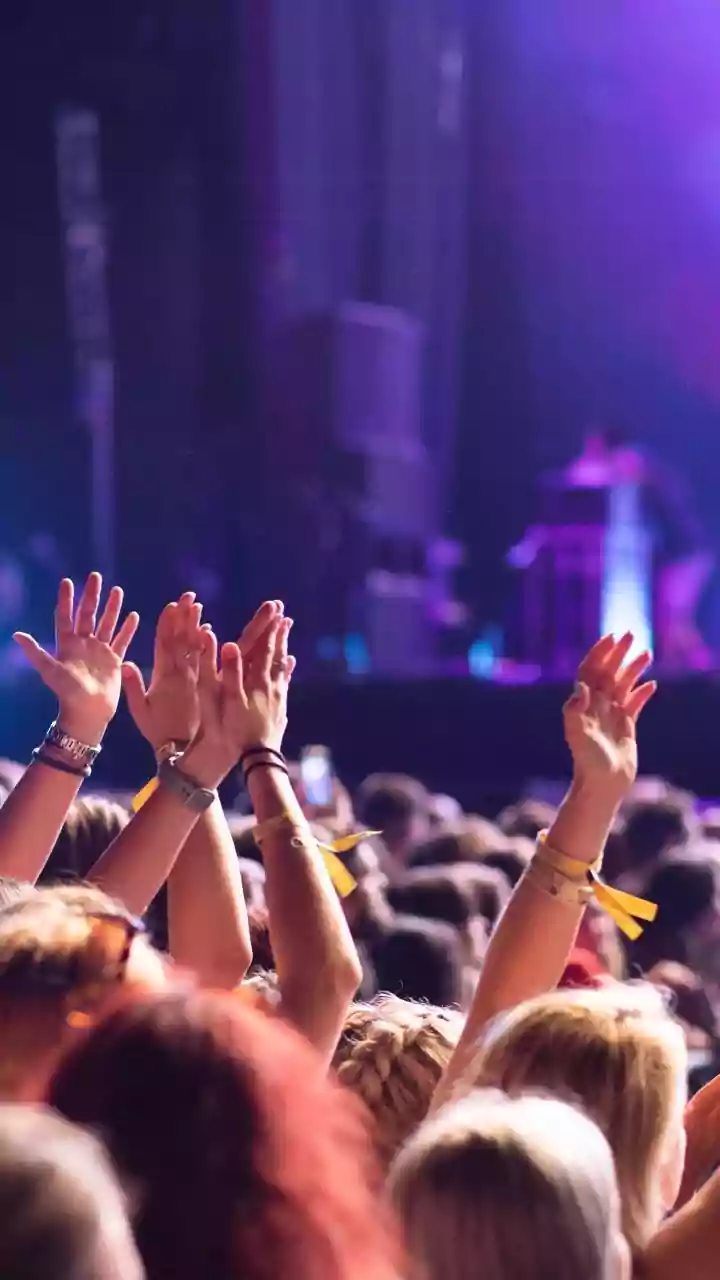
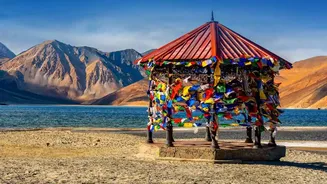
The diversity of India’s festivals means there's an experience for every type of traveller. In Gujarat, the Navratri celebrations, particularly the Garba dances, attract visitors from all over the country. In Tamil Nadu, the harvest festival of Pongal offers a glimpse into rural traditions and gratitude. For those seeking something more remote, the Hemis Festival in Ladakh provides a serene yet powerful experience of Buddhist culture amidst the Himalayas. Even lesser-known events like the Tarnetar Mela in Gujarat, a vibrant matchmaking fair, or the Jaisalmer Desert Festival, with its folk music and camel races, are finding their way onto travel itineraries. This growing interest is also boosting tourism in Tier 2 and Tier 3 towns, taking travellers beyond the usual metropolitan circuit.
Planning Your Cultural Getaway
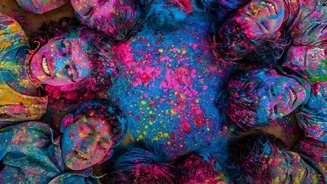
This shift towards intentional, culture-led travel has also changed how people plan their holidays. For many, the dates of a festival are now the most important factor when booking, even more so than the price of flights or accommodation. Travellers are becoming smarter planners, often booking three to six months in advance to secure their spot at a popular event. Social media plays a significant role, with vibrant images and videos of festivals inspiring many to plan their own visits. The goal is no longer just to see the sights but to be part of the celebration, whether that means participating in the colourful chaos of Holi in Jaipur or witnessing the devotional fervor of Janmashtami in Mathura.