




The Superfood You Already Know
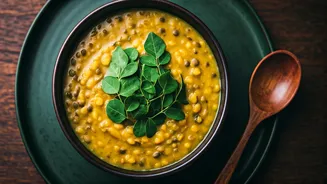
You probably know it as *sahjan*, *shobhanjan*, or the drumstick tree. For generations, its leaves, pods, and flowers have been a staple in Indian households, especially in the South, where it’s a key ingredient in sambar, curries, and poriyals. While
we've long enjoyed the unique taste of drumsticks in our food, the leaves—often overlooked—are the real nutritional powerhouse. Now available as convenient dried flakes or powder, moringa is being globally recognised for its incredible health benefits, transforming it from a simple backyard tree into a must-have for clean eating enthusiasts.
A Nutritional Powerhouse
What makes moringa so special? It's packed with an astonishing amount of nutrients. Gram for gram, moringa leaves contain more Vitamin C than oranges, more potassium than bananas, more Vitamin A than carrots, and a significant amount of protein and iron. It is also rich in antioxidants, such as quercetin and chlorogenic acid, which help combat oxidative stress and inflammation in the body. This dense nutritional profile supports everything from boosting immunity and improving energy levels to promoting healthy skin and hair. Think of it as a natural multivitamin that you can eat.
Why It’s Perfect for Stews
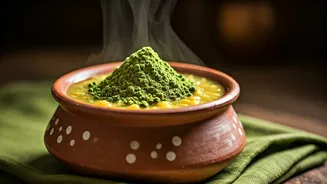
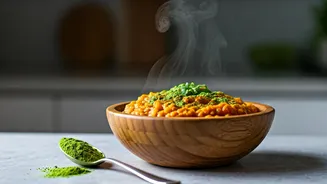
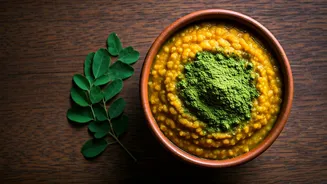
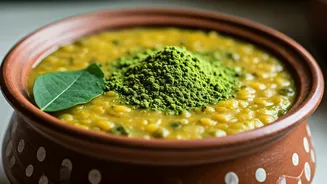
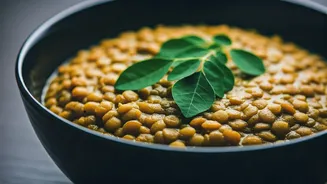
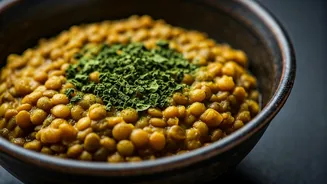
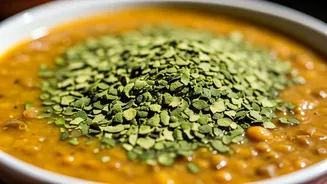
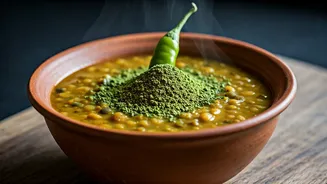
While you can add moringa to smoothies or sprinkle it over salads, adding it to hot stews, dals, and soups is arguably the easiest and most effective method. The heat helps release its nutrients, and the liquid base ensures it’s evenly distributed. Unlike fresh leaves, which can be slightly bitter and require cooking, dried moringa flakes dissolve easily, subtly enriching your dish without drastically changing its flavour profile. This method allows the earthy, spinach-like taste of moringa to blend seamlessly into the complex spices of an Indian curry or the hearty comfort of a lentil dal, making it a simple upgrade for meals you already love.
How to Use It Correctly
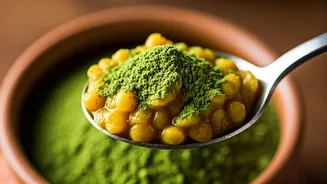
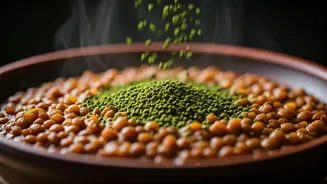
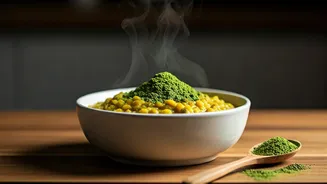
Getting started with moringa flakes is simple. The key is to add them towards the end of the cooking process. Stir in one or two teaspoons of moringa flakes or powder into your stew, sambar, or dal about five minutes before you turn off the heat. This prevents overcooking, which can diminish some of its delicate nutrients, particularly Vitamin C. Let it simmer for a few minutes to dissolve completely. If you’re new to the taste, start with a smaller amount and gradually increase it. A little goes a long way, and adding too much at once can impart a slightly bitter or overly 'green' flavour to your dish.
Taste, Sourcing, and Storage
When used in moderation, moringa has a mild, earthy taste similar to spinach or matcha. In a flavourful stew, it’s barely noticeable. You can find moringa flakes and powder at most health food stores, online retailers, and increasingly, in local supermarkets. Look for products that are 100% pure moringa oleifera, preferably organic, to ensure you’re getting a high-quality product without any additives. Store your moringa in an airtight container in a cool, dark place—just like you would with your other spices—to preserve its potency and freshness.