







The Midday Madness of July
July is a peak travel month for a reason: school holidays, warm weather, and a collective desire for adventure converge. This perfect storm leads to what many travellers experience as 'midday madness'. From mid-morning to late afternoon, tourist attractions,
popular restaurants, and even scenic streets become congested. Psychologically, navigating dense crowds can lead to mental exhaustion and decision fatigue, turning what should be a relaxing holiday into a stressful ordeal. This peak period isn't just about traffic jams; it's about the quality of your experience being diluted by the sheer volume of people.
The Early-Bird Advantage
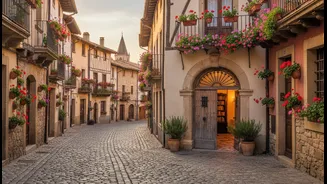
One of the most effective strategies to reclaim your travel experience is to become an early bird. Rising with the sun might not feel like a vacation at first, but the rewards are immense. Imagine exploring ancient ruins or a famous city square in the soft morning light, with only a handful of locals for company. Tourist sites that open before 10 a.m. are often at their quietest, allowing for unobstructed views and a more personal connection with the place. Early mornings also mean cooler temperatures, which is a significant advantage during the summer heat of July, making outdoor exploration far more comfortable and enjoyable.
The Magic of the Late Shift
If early mornings aren't your style, embracing the evening can be just as effective. As large tour groups and families begin to head back to their hotels around 4 p.m., a new, calmer atmosphere descends on many destinations. This 'late shift' is perfect for visiting museums that have extended hours or simply wandering through historic neighbourhoods during the golden hour. Restaurants become less frantic, allowing for a more relaxed dining experience and better service. You get to see a city as it transitions from a tourist hub to a local's town, offering a more authentic cultural immersion.
Redefining Your Daily Itinerary
The key is to structure your day around the peak rush, not within it. Think of your travel day as having two distinct exploration windows: early morning and late afternoon/evening. Use the crowded midday period—roughly 11 a.m. to 4 p.m.—for rest and relaxation. This could mean returning to your hotel for a nap, enjoying a long, leisurely lunch at a less-touristy spot a few blocks off the main drag, or visiting a park. By personalizing your itinerary based on your interests and energy levels rather than a checklist of sights, you naturally steer clear of the largest crowds and create a more meaningful journey.
Practical Tips for Off-Peak Success
To make this strategy work, a little planning goes a long way. Always check opening and closing times for attractions and consider that some museums may offer free or discounted admission during their final hours. Book tickets in advance online whenever possible to skip the ticket queues, which are often longest during peak times. Use technology like real-time traffic apps to gauge congestion not just on roads but sometimes at popular sites. Finally, be flexible. Having a plan B, like exploring a quieter, lesser-known neighbourhood, can often lead to the most memorable discoveries of your trip.