
The Numbers Tell the Story
A significant shift is reshaping India's passenger vehicle market. For the first time, in August 2026, the combined sales of vehicles powered by alternative fuels like CNG, electricity, and hybrid systems surpassed those of purely petrol-powered cars.
Data from the Federation of Automobile Dealers Associations (FADA) showed that alternative fuel vehicles captured a market share of 41.95%, edging past petrol cars, which stood at 40.85%. This marks a dramatic change from just over a year ago when petrol cars had a comfortable lead. While petrol remains the largest single fuel type, its dominance is steadily eroding, with its market share declining from nearly 49% in early 2025 to under 45% by the first quarter of 2026. This transition isn't just about one alternative; it's a multi-pronged shift, with buyers flocking to CNG, electric, and hybrid options simultaneously.
CNG: The Practical Choice for the Masses
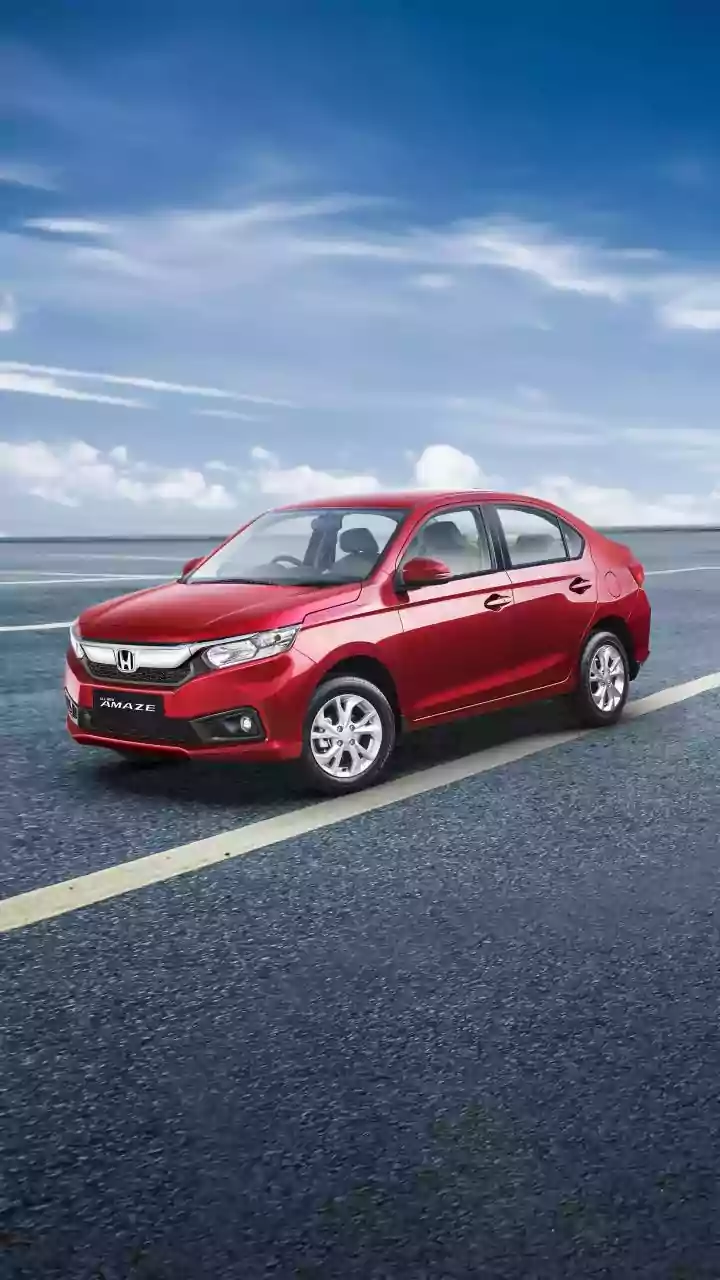
While electric vehicles (EVs) often grab the headlines, compressed natural gas (CNG) has been the quiet workhorse of this transition. For the second consecutive year, CNG was the second most popular fuel choice in the country in fiscal year 2026, with its market share climbing to nearly 22%. In absolute numbers, over 1 million CNG cars were sold, meaning almost one in four new cars sold now runs on CNG. The primary driver is simple economics. Running a car on CNG can cost 40-50% less per kilometre than petrol. For the price-sensitive Indian buyer with high daily mileage, this is a compelling proposition. Carmakers like Maruti Suzuki and Tata Motors have expanded their CNG offerings, making the technology available in more models and feature-rich variants than ever before. The supporting infrastructure has also improved, with the CNG distribution network now covering over 600 cities.
The Electric Surge Catches Momentum
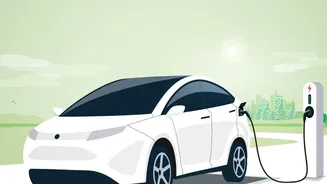
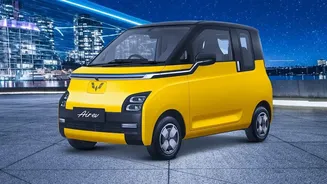
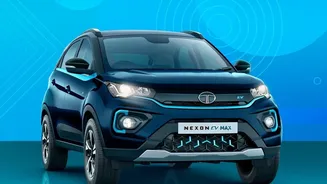
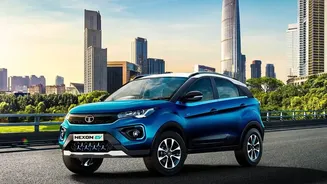
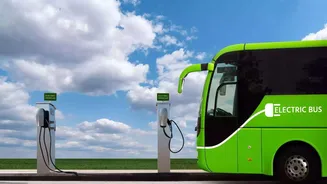
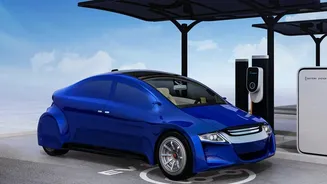
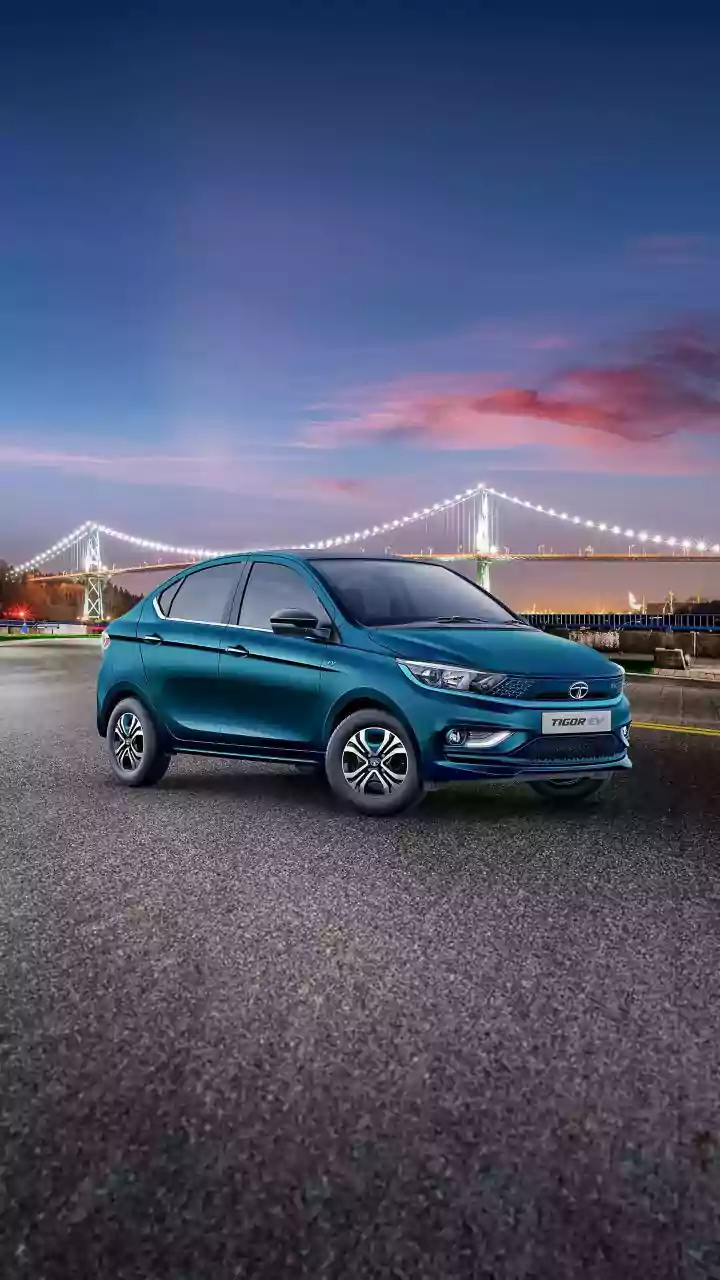
The electric vehicle market is experiencing explosive growth. EV sales saw a massive 79% year-on-year increase in the first half of 2026. Though starting from a smaller base, the EV market share has climbed steadily, hitting a new high of 5.1% in March 2026 and continuing to grow. This surge is fueled by more than just environmental concerns; it's increasingly about long-term savings. While direct cash subsidies for electric cars from the central government have been phased out, significant financial benefits remain. EVs are taxed at a much lower GST rate of 5% compared to the 18-40% levied on petrol and diesel cars. Furthermore, many states offer waivers on road tax and registration fees, which can amount to substantial savings. The variety of available models has also broadened, with manufacturers like Tata Motors, Mahindra, and MG offering electric options across different price points.
Hybrids Find Their Niche
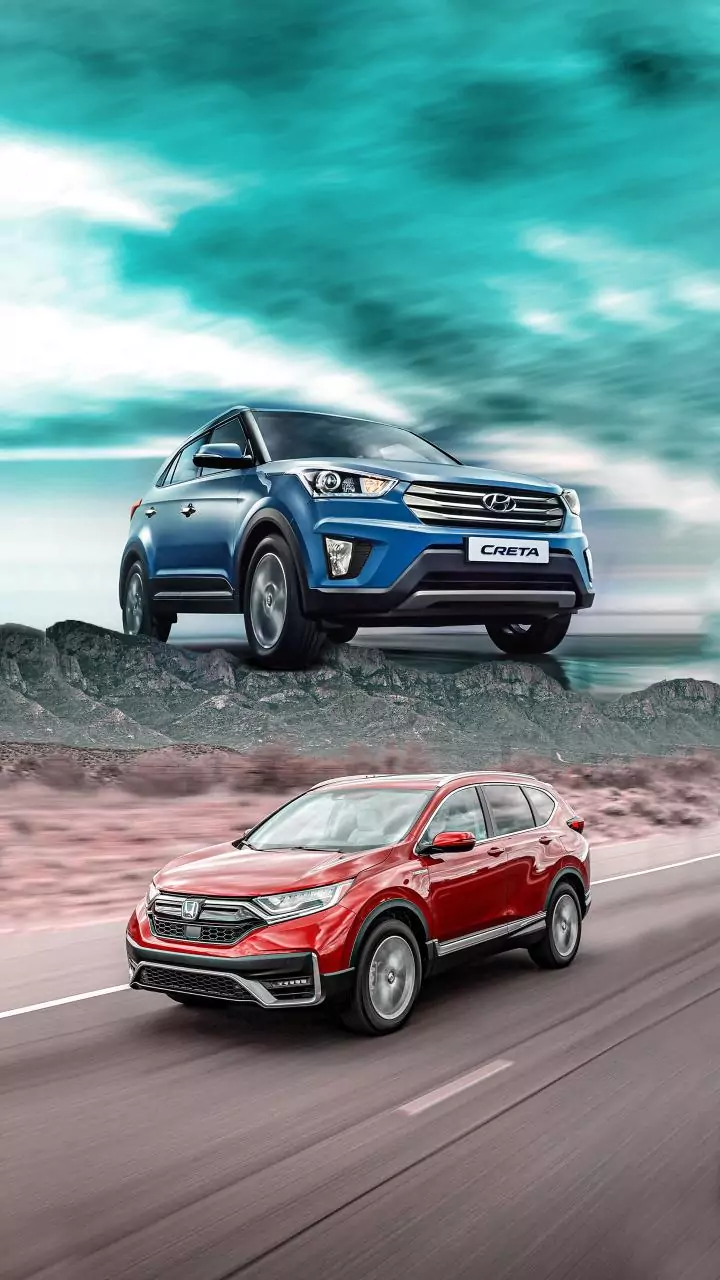
Strong hybrid vehicles, which combine a petrol engine with an electric motor to deliver superior fuel efficiency, are also gaining traction. These cars offer a middle path for buyers who want better mileage without the range anxiety or charging dependency associated with pure EVs. Though the market is currently dominated by Toyota and Maruti Suzuki, models like the Toyota Innova Hycross and Maruti Grand Vitara have found strong demand among those willing to pay a premium upfront for lower running costs. In August 2026, nearly 8,000 hybrid cars were sold, demonstrating a solid, if smaller, market segment. As fuel prices remain volatile, the appeal of vehicles that can offer over 20 kmpl in real-world city conditions is becoming hard to ignore.
Tackling the Roadblocks
Despite the positive momentum, challenges remain, particularly for EVs. The lack of adequate public charging infrastructure is a major concern for 43% of potential buyers, according to a 2026 survey by Deloitte. While the number of public charging stations has grown, issues with reliability, accessibility, and multiple payment apps persist. Many potential EV owners also face hurdles with home charging, as a study found that nearly 45% of Indian households may require electrical upgrades to safely support an EV charger. However, government schemes like PM E-DRIVE are actively funding the expansion of charging networks, and companies are working to improve reliability and interoperability, signaling a commitment to resolving these growing pains.