






A Nation's Nutritional Dilemma
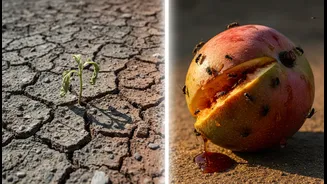
India is facing a complex health crisis known as the "double burden of malnutrition." On one side, undernutrition, including stunting and wasting in children, remains a persistent challenge, particularly in poorer states. On the other side, the country
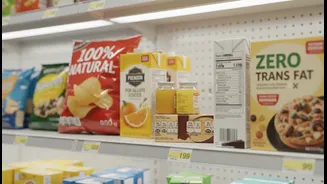
is witnessing a rapid surge in over-nutrition. Lifestyle-related non-communicable diseases (NCDs) like obesity, diabetes, and hypertension are on the rise, fuelled by urbanisation, sedentary lifestyles, and the increasing consumption of ultra-processed foods. Recent national health surveys highlight this trend, with the percentage of overweight or obese adults climbing significantly. This dual challenge requires a multi-pronged strategy that addresses both ends of the malnutrition spectrum, making accurate, accessible dietary information more critical than ever.
Enter the AI-Powered Solution
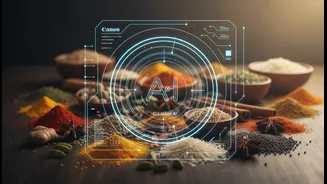
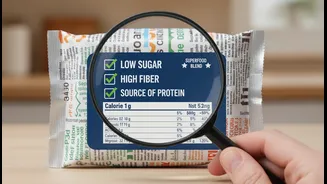
In response to this growing public health issue, the Indian Council of Medical Research–National Institute of Nutrition (ICMR-NIN) is developing an artificial intelligence-powered bot and web platform. The primary goal is to empower Indians to make healthier and more informed food choices, especially concerning the burgeoning market of pre-packaged foods. Announced in June 2026, this initiative aims to serve as a one-stop, reliable source of nutrition information for consumers. By leveraging technology, NIN plans to put scientific knowledge directly into the hands of the people, helping them navigate the complexities of modern diets and understand what is truly in their food.
How Will the Bot Work?
The platform will function as a powerful search tool. Users will be able to look up a specific food product or brand and instantly receive a detailed breakdown of its nutritional profile. The AI will analyze ingredients, flag nutritional aspects, and explain complex technical terms or INS numbers (food additive codes) in simple language. To build this powerful tool, NIN has partnered with a Hyderabad-based company that developed the 'TruthIn' app, which has already indexed over 75,000 food products. The entire system will be grounded in NIN's authoritative food composition databases and India's regulatory requirements, ensuring the information is both scientifically sound and locally relevant.
The Bigger Picture: A Public Health Tool
While the immediate benefit is for individual consumers, the "bigger story" behind this AI bot lies in its potential as a massive public health instrument. According to NIN scientists, the database will be an invaluable resource for researchers and policymakers. The aggregated, anonymized data on what people are searching for and consuming can reveal crucial insights into dietary patterns across different regions and food categories. This evidence can inform future nutrition policies, help refine food labelling regulations like the Front-of-Pack Nutrition Labelling (FOPNL), and allow for better tracking of the nutritional quality of foods available in the market over time. It’s a shift from reactive healthcare to proactive, data-driven public health strategy.
Challenges and the Road Ahead
The path to nationwide adoption is not without its hurdles. Ensuring the tool is accessible and useful for a diverse population with varying levels of digital literacy and internet access, especially in rural areas, will be a major challenge. The platform must also account for India's vast linguistic and cultural diversity to provide recommendations that are practical and acceptable. Furthermore, as with any AI-driven health tool, ensuring accuracy and avoiding the pitfalls of overly restrictive or unbalanced advice is paramount. Studies have shown that some AI models can underestimate caloric needs or create imbalanced diet plans. Therefore, rigorous validation and continuous oversight by nutrition experts at NIN will be essential to the bot's success and credibility, ensuring it serves as a trusted guide in the nation's journey towards better health.