







Why Winter is Perfect for Wildlife
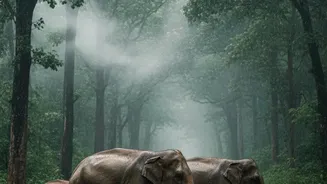
Winter is arguably the best season for a wildlife safari in India. The cooler temperatures, from November through February, mean animals are more active throughout the day, increasing your chances of memorable sightings. In the dry, crisp air, visibility
is enhanced as foliage thins out, making it easier to spot elusive creatures like tigers and leopards. The pleasant daytime weather is perfect for open-jeep safaris, which can get chilly in the early mornings but are comfortable by mid-day. Furthermore, winter is a paradise for birdwatchers, as hundreds of migratory bird species flock to India's parks and wetlands, adding a vibrant splash of colour to the landscape.
Weekend Sanctuaries Near Major Metros
You don't need a long leave of absence to enjoy nature. Several premier national parks are just a few hours' drive from major cities, making them perfect for a two or three-day trip. From Delhi, Jim Corbett National Park in Uttarakhand (a 5-6 hour drive) is a classic choice for spotting tigers, elephants, and over 600 bird species. Another excellent option is Sariska Tiger Reserve in Rajasthan, also accessible for a weekend trip. For those in Mumbai or Nagpur, Tadoba Andhari Tiger Reserve is a top-tier destination, known for its high density of tigers and accessible via a 3.5-hour drive from Nagpur. From Bangalore, Nagarhole National Park (also known as Rajiv Gandhi National Park) is about a 4-5 hour drive away, offering incredible sightings of elephants, tigers, and leopards in a lush setting.
The Essentials of Booking Your Safari
Spontaneity and wildlife safaris don't always mix. It's crucial to book your trip well in advance, especially for popular parks like Corbett, Ranthambore, and Tadoba. Safari permits, particularly for core zones with higher sighting probabilities, are released online 90-120 days in advance and can sell out within minutes. You can book directly through the official government portals, which is the most affordable option but can be complex. Alternatively, many hotels and specialised tour operators offer packages that include permits, accommodation, and jeeps. While this is more convenient, ensure you're working with a reputable operator who can secure the best zones and provide experienced naturalists. A good guide can make all the difference, interpreting alarm calls and tracking signs you would otherwise miss.
Choosing Your Safari and Stay
Most parks offer two main types of safaris: jeep and canter. A jeep safari accommodates a smaller group (usually up to six people), offering a more intimate and flexible experience. Canter safaris are larger, open-air buses that seat up to 20 people and are a more budget-friendly option. When it comes to accommodation, the options range from basic government forest rest houses inside the park to luxurious resorts and eco-lodges on the periphery. Staying close to your designated safari gate is key, as morning safaris often start as early as 6:30 AM in winter. Many resorts offer all-inclusive packages that cover meals, safaris, and transfers, simplifying the logistics for a short trip.
What to Pack for the Winter Chill
While you might be travelling from a temperate city, early morning safaris in an open jeep can be surprisingly cold, with temperatures dipping significantly before sunrise. Layering is essential. Start with thermal innerwear, add a fleece or sweater, and top it off with a warm, windproof jacket. A warm hat, gloves, and a scarf or neck gaiter are non-negotiable for staying comfortable during the chilly rides. As the day warms up, you can shed layers as needed. Other must-haves include a good pair of binoculars, a camera with a dust-proof bag, sunscreen, and sunglasses. Since it can get very dusty, eye drops can also be helpful.