



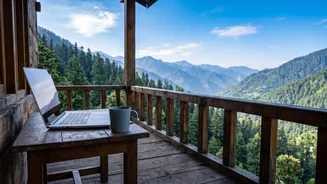
The New Office: Mountains, Valleys, and Wi-Fi
The work-from-anywhere revolution has transformed laptops into portals for freedom, allowing professionals to escape the urban grind. In India, this has given rise to the 'workation'—a blend of work and vacation that prioritises both productivity and well-being.
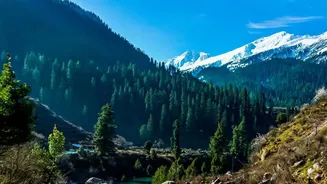
The Himalayas, with their crisp air and serene landscapes, have become the boardroom of choice for many. Once considered off-grid retreats, Himalayan villages like Kasol in the Parvati Valley and Jibhi in the Tirthan Valley now cater specifically to this new breed of digital nomads, offering the crucial combination of reliable internet and peaceful surroundings. These destinations provide an opportunity to not just change your background on a video call, but to fundamentally upgrade your work-life balance.
Kasol: Bohemian Vibes and Digital Connectivity
Nestled along the banks of the roaring Parvati River, Kasol has long been a haven for backpackers, earning it the nickname 'Mini Israel' for its cosmopolitan vibe and plethora of Israeli cafes. Today, that bohemian energy is attracting techies who thrive in a social yet relaxed environment. Homestays and a growing number of hostels have upgraded their infrastructure, with many now providing stable Wi-Fi suitable for daily work demands. While it's wise to confirm connectivity before booking, the infrastructure has improved significantly. After logging off, the town offers vibrant markets, riverside walks to the tranquil village of Chalal, and a lively cafe culture to help you unwind.
Jibhi: A Serene Retreat for Focused Work
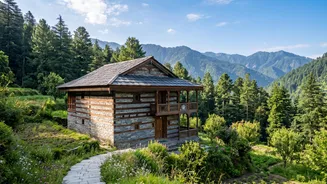
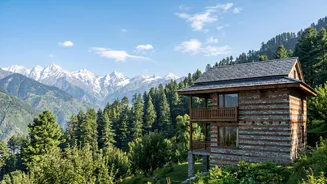
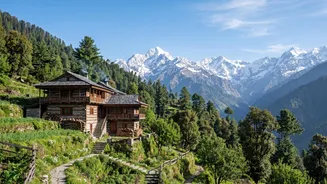
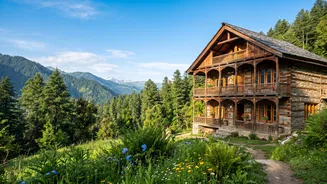
For those who find Kasol's energy a bit too bustling, Jibhi offers a quieter, more restorative alternative. Located in the serene Tirthan Valley, Jibhi is characterised by traditional wooden houses, dense pine forests, and the gentle sound of the river. It is less a tourist town and more a peaceful hamlet, making it ideal for deep, focused work. An increasing number of homestays here are run by hosts who understand the needs of remote workers, offering dedicated fibre broadband connections with speeds around 30-50 Mbps and power backup—a necessity given the unpredictable mountain weather. The local philosophy of 'ailyak'—an unhurried, mindful way of life—perfectly complements a work routine geared towards creativity and mental clarity.
What Does 'Affordable' Really Mean?
One of the most appealing aspects of a Himalayan workation is its affordability compared to city living. In places like Kasol and Jibhi, long-stay discounts are common. A private room in a homestay or guesthouse can be found for as little as ₹10,000 to ₹15,000 per month, while dormitory beds can cost significantly less. Food expenses are also minimal, with many homestays offering home-cooked meals at reasonable prices, and local cafes serving hearty dishes that won't break the bank. For a monthly budget that might only cover rent in a metro city, you can secure accommodation, meals, and high-speed internet in the mountains, with stunning views included at no extra charge.
Beyond the Laptop: Unplugging After Hours
The true value of a workation lies in the 'cation'. In Kasol, weekends can be spent on the popular trek to Kheerganga with its natural hot springs, or exploring nearby villages like Tosh and Malana. Jibhi serves as a gateway to the Great Himalayan National Park, offering treks to Serolsar Lake and the historic Raghupur Fort via Jalori Pass. Simpler pleasures include fishing in the Tirthan River, discovering hidden waterfalls, or simply finding a quiet spot by the river to read a book. These activities provide a necessary counterbalance to screen time, ensuring that your time in the mountains is as rejuvenating for the soul as it is productive for your career.
Packing and Planning for Productivity
A successful mountain workation requires a bit of planning. The best times to visit are generally from March to June and from October to November, avoiding the monsoon rains and the harshest winter cold. When booking accommodation, explicitly ask about the type of internet connection—is it fibre broadband or a less reliable mobile hotspot? Inquire about power backup as well. While mobile networks like Jio and Airtel have improved, it's always wise to carry a portable mobile hotspot as a secondary option. Pack layers of clothing, a sturdy pair of walking shoes, any essential medications, and an open mind. A well-prepared trip ensures that minor logistical hurdles don't disrupt your workflow or your peace.