






Understanding the Current Rain Alerts
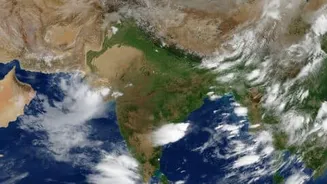
The IMD has forecast an active monsoon phase, bringing widespread heavy rainfall to many parts of the country, including northwest, central, and northeastern India. States like Gujarat have been placed on high alert for extremely heavy rainfall, with
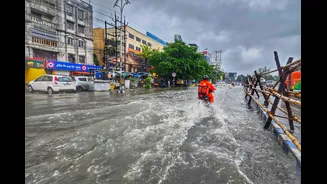
significant downpours also expected in regions like Kerala, Karnataka, and Maharashtra. These conditions lead to a high risk of waterlogging in urban areas, flash floods, and landslides in hilly regions, making road travel particularly hazardous. Authorities are advising residents to avoid non-essential travel, but for many, staying put is not an option. Understanding the risks is the first step toward mitigating them.
Are Covered Pick-Ups the Answer?
The headline's suggestion of using covered pick-ups points towards a key concern in monsoon driving: ground clearance. Pick-up trucks and larger SUVs often have a higher stance, which can be an advantage when navigating waterlogged streets where sedans might stall. However, the choice of vehicle is more nuanced. While a 'covered pick-up' can protect cargo from rain, ensuring passenger safety is paramount. Transporting people in the open rear bed of a pick-up, even with a temporary cover, is extremely dangerous and illegal in many contexts. A safer interpretation is to favour vehicles with high ground clearance and a fully enclosed, waterproof cabin, such as SUVs or well-maintained utility vehicles. The crucial factor is not just the vehicle type, but its condition.
Pre-Travel Vehicle Health Check
Before you even turn the key, a thorough vehicle inspection is mandatory. First, check your tyres. The tread depth should be at least 3mm to effectively channel water away and prevent skidding. Worn-out tyres are a major cause of accidents on wet roads. Second, test your brakes. Wet roads can increase braking distances significantly, so ensure your brake pads are in good condition. Third, your wipers are your first line of defense against blinding rain. Replace them if they leave streaks or don't clear the windscreen effectively. Finally, ensure all lights—headlights, tail lights, and indicators—are working perfectly. In low visibility, being seen by others is just as important as seeing the road ahead.
Safe Driving on Treacherous Roads
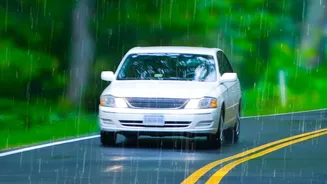
Once on the road, adjust your driving style for the conditions. The most important rule is to slow down; reduce your speed by at least 25-30% from what you would normally drive. This gives you more time to react and reduces the risk of hydroplaning—where a layer of water builds between the road and your tyres, causing a loss of control. Double your following distance from the vehicle ahead to at least a four-second gap. Use your low-beam headlights even during the day to increase your visibility to other drivers. Avoid sudden braking or sharp turns, which can easily lead to a skid. If you encounter a waterlogged road, assess the depth before proceeding. As a rule, if the water is deeper than the bottom of your car's bumper, do not attempt to cross. It is always safer to turn back and find an alternative route.
What to Do If You're Stuck
Even with the best preparation, things can go wrong. If your car stalls in a waterlogged area, do not attempt to restart the engine. This is the most common mistake and can lead to 'hydrostatic lock', a catastrophic engine failure that can be incredibly expensive to repair. The water may have entered the engine, and trying to crank it will cause severe internal damage. The safest course of action is to turn off the ignition, put on your hazard lights, and if the water level is rising, abandon the vehicle for higher ground when it's safe to do so. Your safety is more valuable than your car. Once the water recedes, have the vehicle towed to a professional mechanic for inspection.