
The Scroll-to-Stomach Pipeline
Not long ago, finding a new place to eat involved asking a friend or reading a review. Today, for a huge number of diners, especially Gen Z, the discovery process starts with a scroll. Platforms like Instagram and TikTok have become the primary search
engines for food. It’s a visual, fast-paced world where short-form videos of sizzling pans, cheese pulls, and colourful plating create an instant craving. This isn't just about discovery; it's a powerful sales funnel. A single viral video can transform an unknown street vendor into an overnight sensation or cause a new dish to sell out for weeks. This cycle is driven by simple psychology: visual content sparks curiosity, while likes and comments provide social proof, creating a fear of missing out (FOMO) that drives foot traffic.
The 'Instagrammable' Imperative
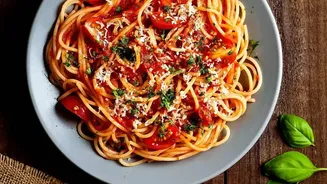
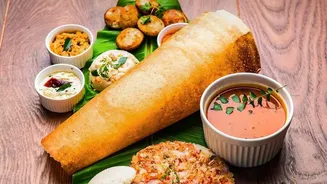
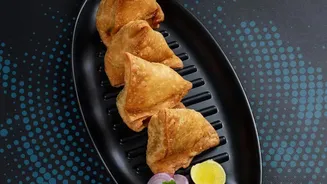
The phrase "the camera eats first" is no longer a joke; it's a core business strategy. Restaurants are now consciously designing dishes, not just for taste, but for their performance on screen. This includes using high-contrast colours, unique textures, and elements of movement, like smoking cocktails or dramatic sauce pours. The trend extends beyond the plate to the entire dining space. Bright lighting, statement walls, and minimalist decor are all designed to create the perfect backdrop for user-generated content. Some restaurants even launch limited-time items specifically to ride a wave of a viral trend, like the 'Dubai Chocolate' or 'Dot Cake' inspired desserts seen at major chains. This strategy works because visually appealing food is one of the most shared forms of content, turning customers into an organic marketing team.
Data-Driven Menu Engineering
Social media isn't just a marketing tool; it's a massive, free focus group. Chefs and restaurant managers now spend hours scrolling through TikTok and Instagram, not for leisure, but for research. They monitor trending hashtags, watch what food creators are making, and read the comments to get instant, unfiltered feedback on what consumers want. This data directly influences menu development. A viral home cooking hack can inspire a new restaurant special. Consistent positive engagement around a particular ingredient might convince a restaurant to add it permanently. Even menu hacks created by customers themselves can become official items, as seen with chains like Chipotle. This has dramatically compressed the menu development cycle from months to a matter of weeks or even days, allowing restaurants to be far more responsive to consumer tastes.
The Kitchen's New Reality
While going viral can lead to a massive boost in sales, it also puts immense pressure on kitchen operations. A sudden, overwhelming demand for a single menu item can cause bottlenecks, strain staff, and potentially compromise the quality of other dishes. The culture of instant gratification fostered by quick videos has also led to a shift in diner expectations, with some customers becoming impatient when real-world cooking takes longer than a 30-second clip. Furthermore, there is a risk of losing culinary identity in the relentless chase for the next trend. The focus can shift from flavour and authenticity to pure visual spectacle, creating dishes that are beautiful but may not be satisfying to eat. Restaurants must strike a difficult balance: capitalizing on trends without sacrificing the quality and soul of their cooking.
The Rise of Food Influencers
At the center of this ecosystem are food influencers, who have supplanted traditional critics for many diners. A positive review from a creator with a loyal following can send hundreds of customers to a restaurant. For this reason, influencer marketing has become a crucial part of a restaurant's budget. This can range from offering a free meal in exchange for a post to paying significant fees for a collaboration. These partnerships offer restaurants a way to reach a highly targeted audience with a message that feels more authentic than a traditional advertisement. However, the industry is also facing concerns about transparency and a dilution of value as the number of influencers grows, with some restaurateurs questioning the return on investment.