
A Shift Beyond Staple Dishes
For years, food festivals across India operated on a familiar formula. While delicious, the menus often featured a greatest-hits collection of pan-Indian cuisine, from butter chicken to dosas, that catered to broad tastes. These events successfully drew
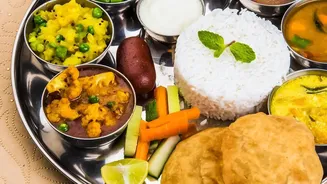
crowds, but the offerings could feel disconnected from the specific regions they were held in. Now, a noticeable shift is taking place. Diners are increasingly encountering dishes that tell a different story—one rooted not in commercial kitchens, but in family homes, ancestral villages, and hyper-local traditions. This new wave of festival menus prioritises authenticity and context, moving beyond what is merely popular to celebrate what is personal and preserved.
The Search for Authentic Flavours
This trend is driven by a confluence of factors. On one side are modern diners, whose palates have been shaped by travel and social media. They are no longer just seeking novelty; they want food with meaning, history, and a clear sense of place. The story behind a dish has become as important as its taste. On the other side are chefs and culinary curators who are embarking on their own journeys of rediscovery. There is a growing pride in regional identity and a desire to showcase the incredible diversity of Indian cuisine that exists beyond restaurant staples. This has led many to look inward, exploring recipes passed down through generations and giving a platform to the home cooks who have been their custodians.
From 'Lost Recipes' to Center Stage
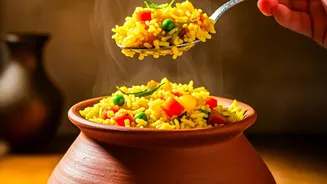
Several recent food festivals explicitly build their concepts around this idea. Events themed around "Lost Recipes" aim to revive dishes that have faded from public memory but have been kept alive in family kitchens. For example, The Fern Hotels & Resorts hosted a 'Lost Recipes of Undivided India' festival, presenting dishes from before the 1947 partition to celebrate a shared culinary heritage. Similarly, Crowne Plaza Greater Noida held a 'Lost Recipes of Royal Cuisine' event, where a chef recreated forgotten dishes from India's erstwhile royal kitchens. These festivals are more than just meals; they are acts of cultural preservation. They bring forward dishes like Phulkari Pulao from Punjab or Tit-Koh from Tamil Nadu, which carry the stories of specific communities and historical eras.
Championing the Home Chef
Crucially, this movement is not just about professional chefs interpreting old recipes. It is also about providing a direct platform for home cooks. Mumbai-based home chef Gitika Saikia has been instrumental in bringing the tribal and mainland dishes of Assam to a wider audience through her pop-ups, featuring ingredients and preparations largely unfamiliar to urban palates. Festivals are increasingly incorporating home-cook competitions and showcases, acknowledging that the truest culinary expertise often lies within domestic kitchens. This shift democratises the food space, celebrating the generational knowledge that underpins India's culinary traditions. It's a recognition that a grandmother's technique for a specific curry is as valuable as any professional training.
The Future is Regional and Personal
As diners continue to seek out more authentic and meaningful experiences, this trend is poised to grow. The focus on regional, seasonal, and story-driven food is redefining what makes a dining experience exciting. It challenges the long-held dominance of a few well-known dishes and makes space for the countless hyper-local cuisines of India. This evolution suggests a future where the distinction between a restaurant chef and a home cook becomes less rigid, and where the value of a dish is measured not by its complexity, but by the heritage it carries. The family kitchen, once a private space, is becoming the most important source of inspiration for the public palate.