






1. The Inflation Rate: 4.45%
The latest headline inflation figure for July stood at 4.45%, a slight increase from the previous month. This number, the Consumer Price Index (CPI), measures the average change in prices paid by consumers for a basket of goods and services. For households,
this is the most direct measure of how much purchasing power their money has lost. While the current rate is within the Reserve Bank of India's (RBI) comfort zone, the upward trend, driven partly by food and fuel costs, is a crucial number to watch. Food and beverages make up nearly 46% of the index, meaning even small changes in food prices can significantly impact household budgets. The next inflation update is expected around mid-September and will be watched closely for signs of price pressures easing or intensifying.
2. The Repo Rate: 5.25%
At its last meeting in early August, the RBI's Monetary Policy Committee (MPC) decided to keep the repo rate unchanged at 5.25%. The repo rate is the interest rate at which the central bank lends money to commercial banks. It is a powerful tool to control inflation. A stable repo rate means the interest rates on your loans—be it for a home, car, or personal expenses—are unlikely to change immediately. The RBI has held this rate steady for five consecutive meetings, trying to balance economic growth with controlling inflation. However, with inflation showing a rising trend, the MPC's commentary during its next meeting in early October will be critical for signaling the future direction of your EMIs.
3. The Unemployment Rate: 5.1%
India's unemployment rate fell to a four-month low of 5.1% in July, down from 5.5% in June. This figure represents the percentage of people in the labour force who are jobless but available for and seeking employment. The drop was mainly driven by an improvement in rural areas, where unemployment fell to 4.5%. In contrast, urban unemployment saw a slight increase to 6.7%. A falling unemployment rate is generally a positive sign for the economy, suggesting that more people are finding jobs, which leads to higher household incomes and spending. A notable positive in the latest data was the rise in the labour force participation rate, especially among women.
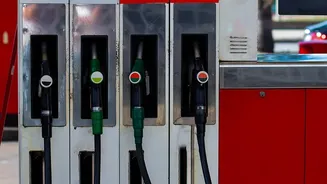
4. Petrol Prices: ~₹102-115 per litre
As of early September, petrol and diesel prices have remained largely stable across major cities, though they continue to be at elevated levels. For instance, petrol prices on September 4th were around ₹102 per litre in Delhi, ₹111 in Mumbai, and over ₹115 in Hyderabad. Fuel prices have a cascading effect on household budgets. They not only increase the direct cost of transport for personal vehicles but also push up the prices of other essential goods, including vegetables and groceries, due to higher transportation costs. Since fuel prices are not under the GST regime, they vary widely between states due to different local taxes. Global crude oil prices, currently high due to geopolitical tensions, and the Rupee-dollar exchange rate are the other key factors that will determine where prices go this month.
5. GDP Growth: 7.8%
India's economy registered a strong Gross Domestic Product (GDP) growth of 7.8% in the first quarter of the 2026-27 financial year (April-June). GDP is the total value of all goods and services produced in the country and is the broadest measure of economic health. This robust growth was driven by strong performance in the services and manufacturing sectors. For households, strong GDP growth should translate into more job opportunities, better income growth, and overall economic stability. The growth was also supported by a 7.1% rise in private consumption and an 11.9% increase in investment, indicating both consumer and business confidence. While there has been some debate around the calculation methodology, the strong underlying indicators suggest genuine economic momentum.