



The Snake Plant: Hardy and Architectural
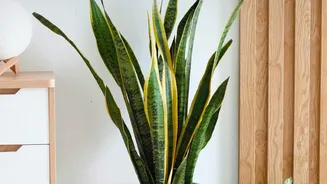
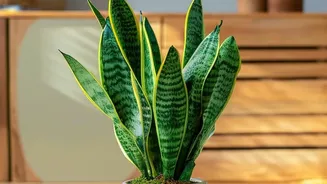
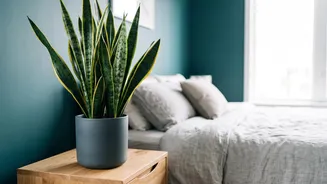
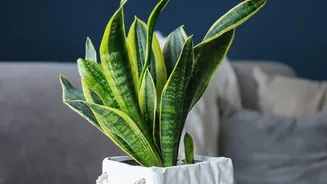
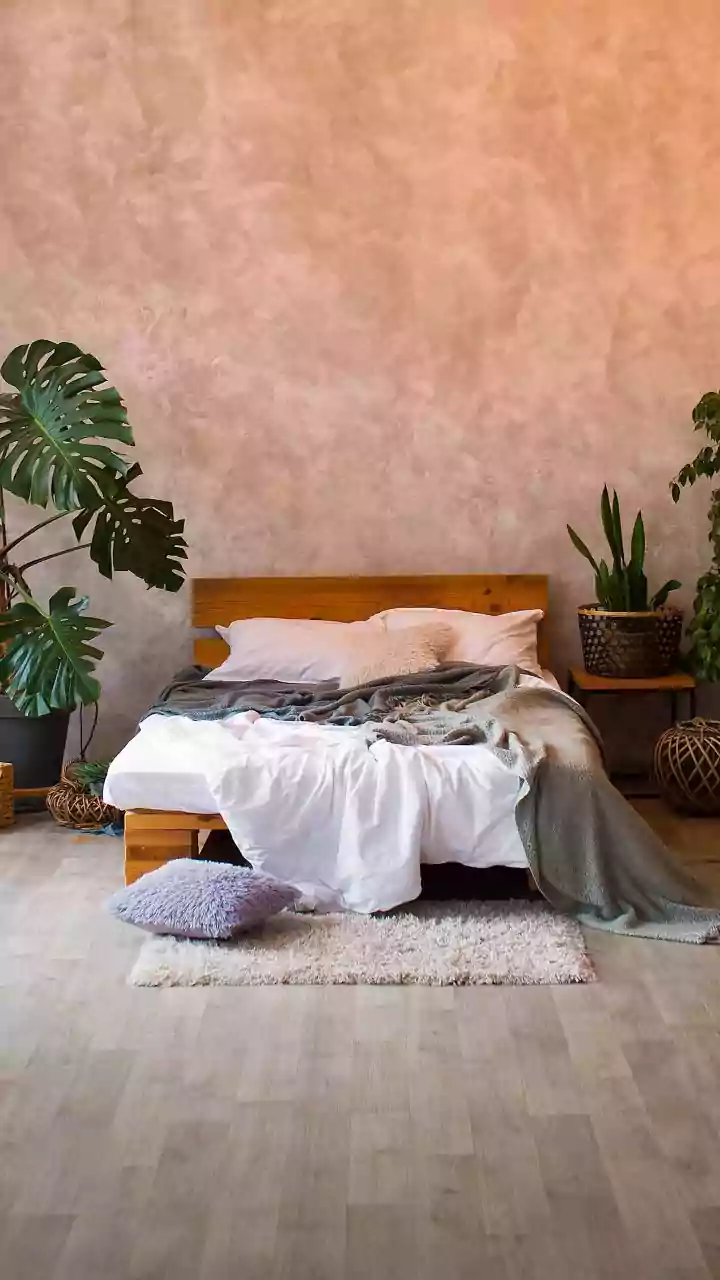
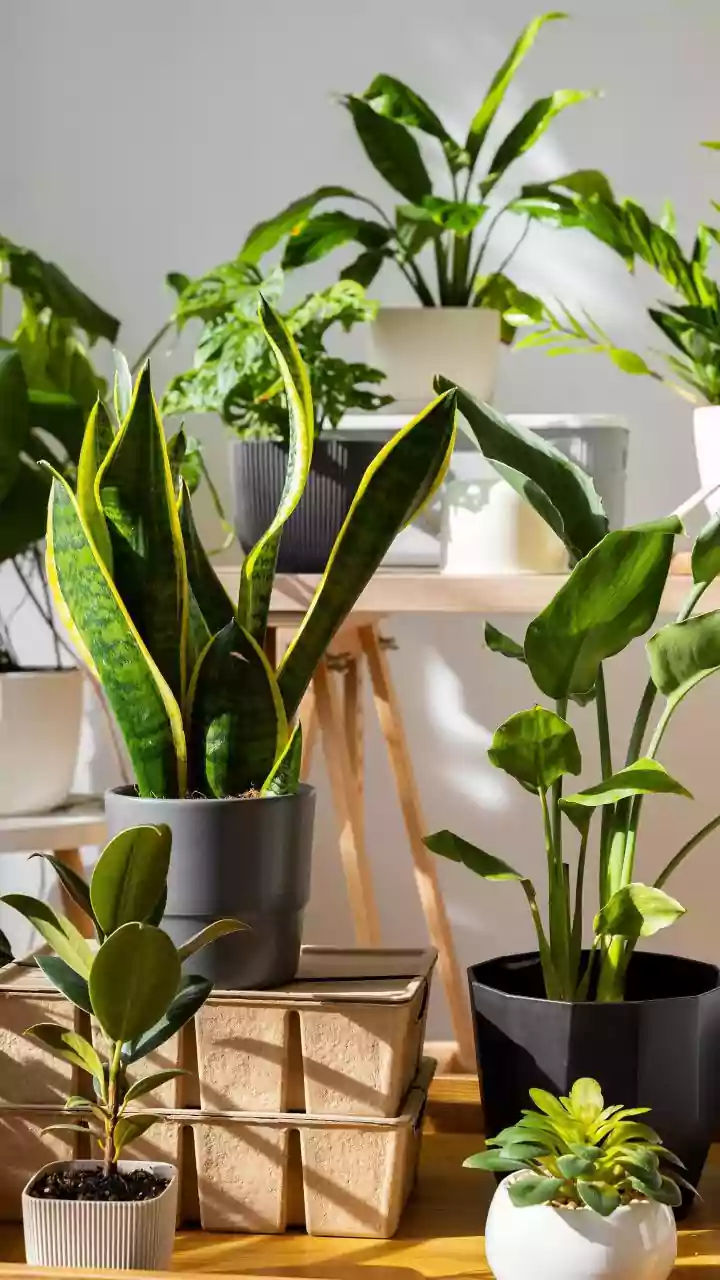
The Snake Plant, or Sansevieria trifasciata, is famous for being nearly indestructible, making it a top choice for beginners and busy individuals. Its stiff, sword-like leaves grow upright, adding a modern, architectural feel to any room. This vertical
growth habit makes it perfect for small bedrooms where floor space is a premium. Native to West Africa, it's well-adapted to handle a variety of conditions, including the dry air sometimes found in Indian homes. It is one of the most popular low-maintenance indoor plants in India, where it is commonly known as “Nagphani”. Because it stores water in its leaves, it’s incredibly drought-tolerant and can handle some neglect.
Caring for Your Snake Plant
Caring for a Snake Plant is simple. It thrives in a wide range of lighting conditions, from low-light corners to spots with bright, indirect sunlight, making it highly adaptable for different bedroom settings. While it can survive in very low light, its growth may slow. The biggest mistake is overwatering. It’s best to let the soil dry out completely between waterings; this might mean watering just once every two to six weeks, depending on the season and humidity. A well-draining soil mix, similar to what you'd use for a cactus, is ideal to prevent root rot.
The Peace Lily: Elegant and Expressive
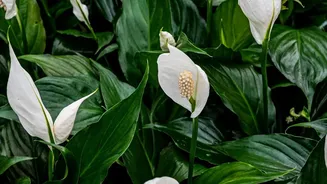
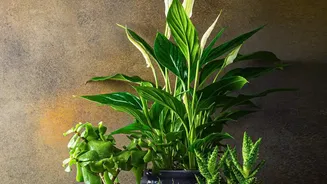
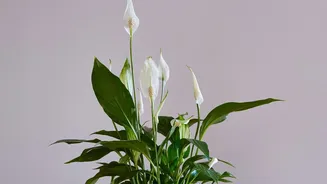
The Peace Lily, or Spathiphyllum, is loved for its lush, glossy dark green leaves and elegant white blooms. These “flowers” are actually modified leaves called spathes, which look like little white flags. Unlike the stoic Snake Plant, the Peace Lily is quite expressive; it will visibly droop when it needs water, taking the guesswork out of its care routine. This makes it another excellent, low-maintenance option. It’s a great fit for bedrooms as it prefers the consistent temperatures found indoors and thrives in bright, indirect light but tolerates lower light levels well. It also appreciates humidity, making it suitable for a bathroom or a kitchen.
Caring for Your Peace Lily
To keep a Peace Lily happy, water it when the top inch or two of soil feels dry. You can wait for the leaves to droop slightly as your cue. They prefer consistently moist, but not waterlogged, soil. It thrives in bright, indirect sunlight, so placing it near a north or west-facing window is a good idea. Wiping its large leaves with a damp cloth occasionally will keep them free of dust, allowing the plant to breathe and look its best. This plant adds a touch of calming energy to a space, and according to Feng Shui, is believed to bring positive vibes.
The Truth About Clean Indoor Air
Both plants are famous for their air-purifying abilities, a claim that stems from a 1989 NASA study. The study found that certain plants could remove toxins like formaldehyde and benzene from sealed chambers. Snake Plants are particularly noted for being able to convert carbon dioxide into oxygen at night, which is unique among houseplants and makes them excellent bedroom companions. Peace Lilies are effective at filtering ammonia, benzene, and formaldehyde. However, it's important to have realistic expectations. Recent analysis suggests that in a typical home with regular air exchange, you would need a very large number of plants—between 10 and 1,000 per square metre—to significantly impact air quality. While these plants do help filter the air, they are not a substitute for good ventilation.
A Note on Pet and Child Safety
An important consideration for any plant owner is toxicity. Both the Snake Plant and the Peace Lily are mildly toxic if ingested by pets or humans. The Snake Plant contains saponins, which can cause nausea, vomiting, and diarrhea in cats and dogs. Similarly, the Peace Lily contains calcium oxalate crystals that can cause oral irritation, swelling of the mouth and tongue, and vomiting if chewed or eaten by pets or children. While not usually fatal, ingestion can cause significant discomfort. It's best to place these plants out of reach of curious pets and small children.