




A New Space Age for India
The transformation began in earnest in 2020, with policy reforms designed to encourage private participation in space activities. The government established the Indian National Space Promotion and Authorisation Centre (IN-SPACe) as a single-window agency
to facilitate and authorise projects by non-governmental entities. This move was not about privatising ISRO, but rather expanding the entire ecosystem. The strategy allows ISRO to focus on advanced research, deep-space exploration, and national security missions, while private companies handle the manufacturing of operational launch vehicles and satellites, driving commercial growth. As a result, the number of space startups has surged from a handful to over 400, attracting significant venture capital.
Launch Vehicles and Propulsion
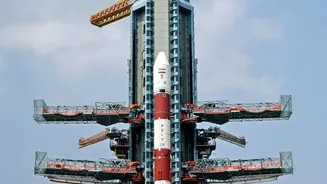
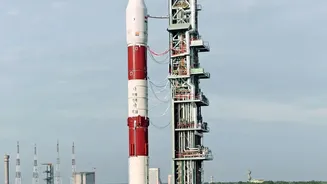
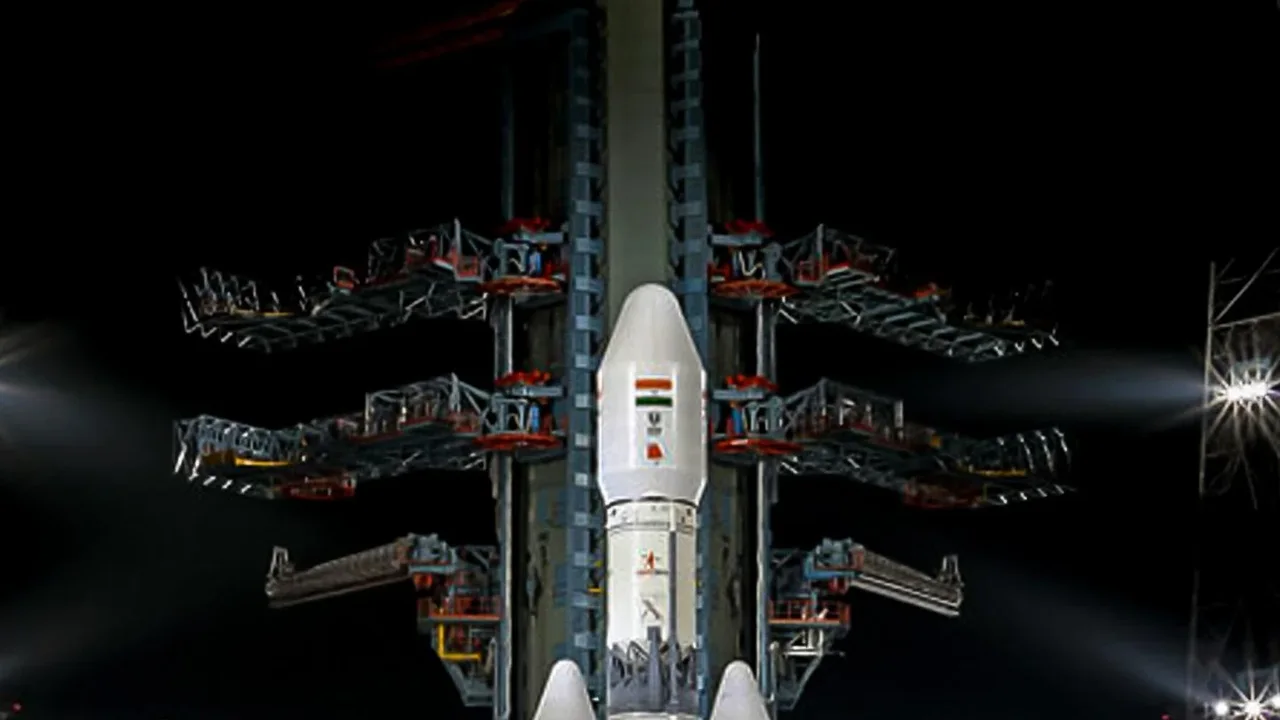
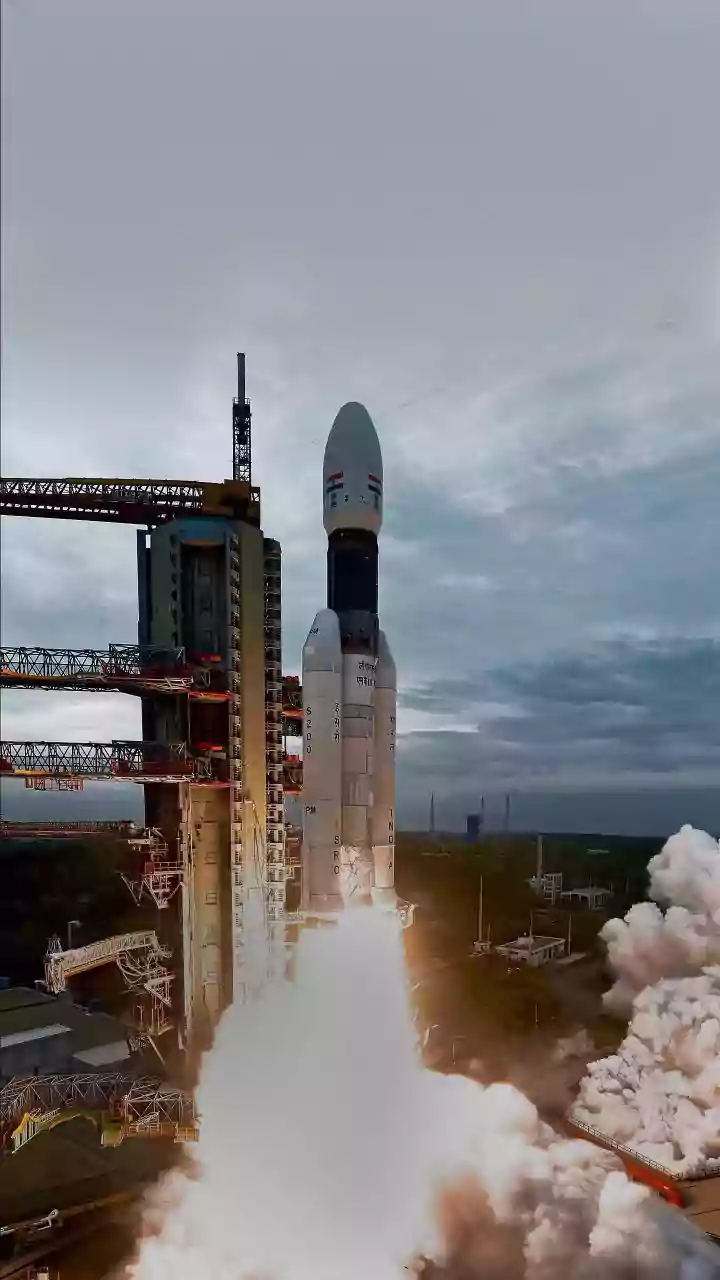
One of the most visible areas of growth is in building rockets. Companies like Skyroot Aerospace, which successfully launched India's first private orbital rocket, and Agnikul Cosmos, known for its 3D-printed engines, are at the forefront. This has created a demand for engineers specializing in propulsion, avionics, structural design, and systems integration. Aerospace, mechanical, and materials engineers are crucial for developing everything from powerful semi-cryogenic engines to lightweight, reusable rocket stages. These startups are not just building hardware; they are creating cost-effective launch services for the burgeoning global small satellite market.
Satellites and Payloads
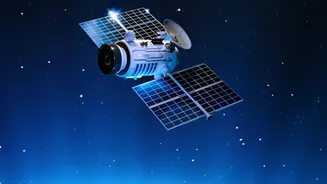
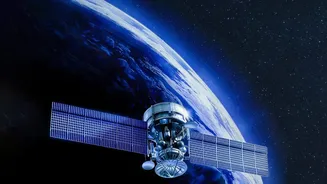
The demand for satellites is exploding, driven by needs in communication, navigation, and Earth observation. Startups like Dhruva Space and Bellatrix Aerospace are developing everything from complete satellite platforms to advanced in-space propulsion systems. This creates opportunities for electronics and communication engineers to design and build satellite buses, communication payloads, and power systems. Mechanical engineers are needed for thermal control and structural integrity, while payload engineers focus on the specialized instruments—cameras, sensors, and transponders—that perform the satellite's primary mission. The goal for many of these firms is to mass-produce small satellites, requiring a blend of precision engineering and scalable manufacturing expertise.
Downstream Data and Analytics
Perhaps the largest area of opportunity lies not in space, but on the ground. Satellites generate vast amounts of data, and turning that data into actionable intelligence is a multi-billion dollar industry. Companies such as Pixxel, with its constellation of hyperspectral imaging satellites, and SatSure, which provides analytics for agriculture and finance, are leading this charge. This field is a magnet for software engineers, data scientists, and AI/ML specialists. They build the platforms that process satellite imagery to monitor crop health, track climate change, assess infrastructure projects, and provide intelligence for disaster management, creating value across dozens of industries.
The Evolving Skill Set
While a B.Tech in aerospace, mechanical, or electronics engineering remains a common entry point, the modern space industry demands a more interdisciplinary skill set. Experience with AI and machine learning, advanced robotics, embedded systems, and data analytics is now highly prized. Companies are looking for engineers who can work across hardware and software—designing a satellite's flight computer (hardware) and then writing the autonomous navigation code for it (software). This convergence of skills means that talent is being drawn from adjacent industries like automotive and high-tech manufacturing, further enriching the ecosystem.