




The Guru of Shivaji Park
The story of Sachin Tendulkar is incomplete without Ramakant Achrekar. From the bustling grounds of Mumbai's Shivaji Park, Achrekar Sir, as he was fondly known, didn't just coach cricket; he built character. Famous for driving a young Sachin on his scooter
from one match to another, Achrekar's methods were legendary. He famously placed a one-rupee coin on the stumps, challenging bowlers to dismiss Sachin to win it—a prize Tendulkar still treasures. Achrekar's genius was in his discipline and his unique drills, creating high-pressure practice scenarios that prepared his students for the biggest stages. He taught Tendulkar and countless others, including Vinod Kambli and Ajit Agarkar, not just how to play a straight drive, but how to live a straight life. His contribution wasn't just about technique; it was about instilling a deep, unwavering respect for the game itself.
The Game Changer in Ranchi
Mahendra Singh Dhoni might never have become a cricketer if not for Keshav Ranjan Banerjee. In a story that has become part of cricketing folklore, Banerjee, a sports teacher at Dhoni's school in Ranchi, spotted a promising football goalkeeper and saw in him the makings of a great wicketkeeper. At the time, young Dhoni was more interested in goalposts than wickets. It was Banerjee's persistent persuasion that convinced Dhoni to swap his goalkeeping gloves for a wicketkeeper's mitts. This single, pivotal decision altered the course of Indian cricket history. Banerjee nurtured Dhoni's raw talent, providing the early guidance and encouragement that set him on a path to greatness. He remains a humble figure in Ranchi, still coaching students, content in the knowledge that he was the first to recognize the spark in the boy who would become Captain Cool.
The Architect of Aggression
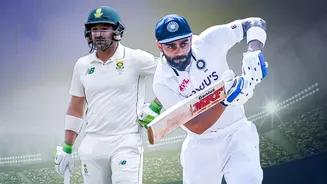
Virat Kohli's fierce, on-field passion was not born in the international arena; it was honed from a young age under the watchful eye of Rajkumar Sharma. At his West Delhi Cricket Academy, Sharma took a nine-year-old Kohli under his wing, recognizing the immense talent and drive bubbling within him. Sharma's mentorship was crucial in channelling Kohli's natural aggression into a productive, match-winning force. While others might have tried to temper his intensity, Sharma understood that it was the very source of his genius. He provided the technical foundation and tactical awareness that allowed Kohli's talent to flourish, guiding him through the ranks of Delhi cricket and beyond. Their bond remains incredibly strong, with Kohli often crediting Sharma for his success and making gestures of gratitude, proving that the lessons from a childhood coach can last a lifetime.
The Guardian of the Unconventional
In a sport that often demands textbook technique, Jasprit Bumrah's unorthodox bowling action could have easily been coached out of him. That it wasn't is a testament to the wisdom of his childhood coach, Kishore Trivedi. When a young Bumrah appeared at his coaching camp in Ahmedabad, Trivedi saw something unique. While others may have seen a flaw to be corrected, Trivedi saw a weapon. He made the conscious, critical decision to not tamper with Bumrah's action, instead helping him build strength and consistency around his natural style. This act of preservation was an act of genius. By protecting what made Bumrah different, Trivedi allowed him to develop into one of the most deceptive and feared bowlers in world cricket. His story is a powerful reminder that sometimes the best coaching is knowing what not to change.