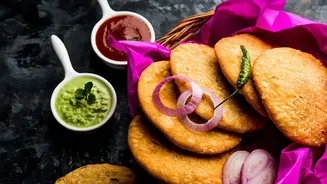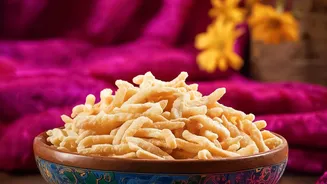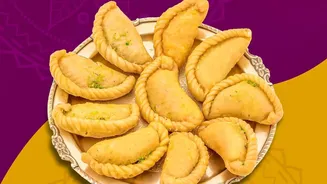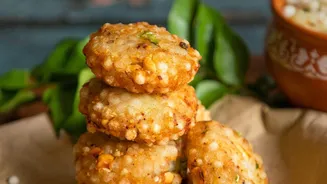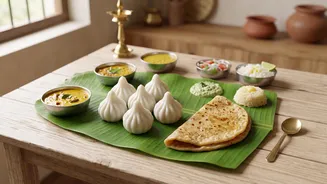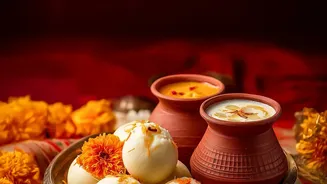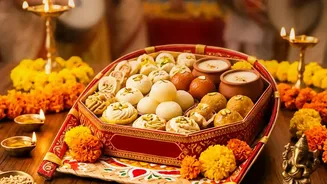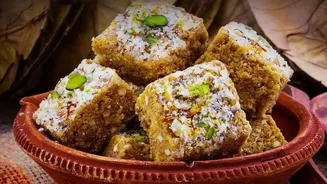


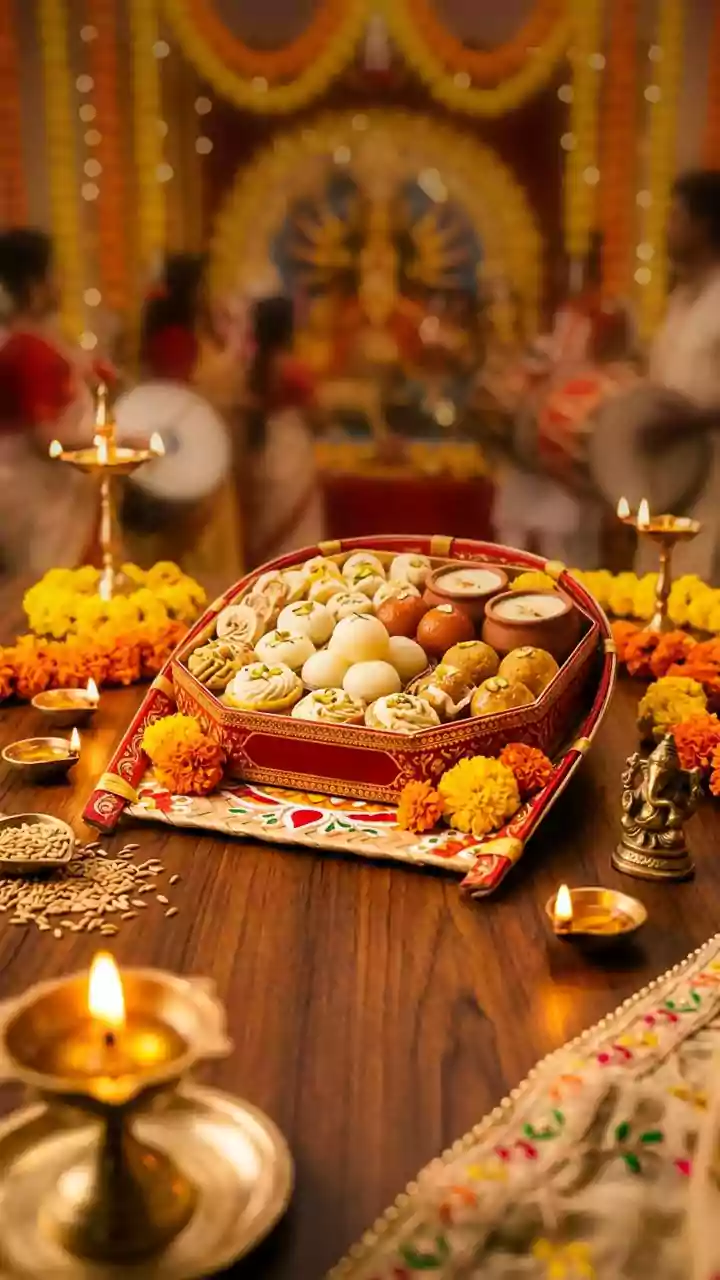
As Diwali approaches, the aroma of freshly fried chakli and sweet shankarpali fills the air in Maharashtrian homes. This collection of festive snacks, known as 'Faral', is the heart of the celebration, a tradition steeped in community and love.
More Than Just Snacks
For the
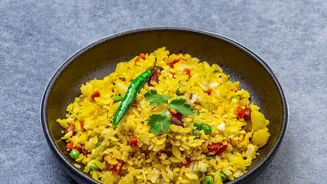
uninitiated, 'Faral' is not a single dish but an entire platter of sweet and savoury items made especially for Diwali. The lineup is a delightful study in contrast. On the savoury side, you have the crunchy, spiral-shaped 'Chakli', spicy 'Tikhat Sev', and the light, airy mixture of flattened rice called 'Poha Chivda'. Balancing these are sweets like the diamond-shaped 'Shankarpali', crescent-moon 'Karanji' stuffed with coconut and jaggery, and various kinds of 'Ladoos' that melt in your mouth. This assortment isn't just for personal consumption; exchanging plates of Faral with neighbours and friends is a cornerstone of the festival, symbolising togetherness and shared joy.
A Kitchen Filled with Heritage
Historically, the preparation of Faral was a communal affair. Days, or even weeks before Diwali, women in the family would gather in the kitchen, turning it into a bustling workshop of culinary heritage. Recipes were heirlooms, passed down from grandmothers to the next generation, each family having its own subtle twist on a classic. The process was as much about bonding as it was about cooking, with stories and laughter shared over the sizzle of frying dough and the sweet scent of roasting gram flour. These snacks were made in large batches, designed to last through the entire festive period and to be offered to any guests who might drop by.
From Home Kitchens to Local Markets
As lifestyles changed and urban households became busier, the elaborate, time-consuming process of making Faral at home became a challenge for many. This shift gave rise to a new market: local 'gruh udyogs' or small-scale home enterprises. Often run by women, these businesses began producing and selling authentic, homemade Faral, offering a convenient alternative for those who lacked the time but not the desire for traditional festive treats. This was the first major step in the commercialisation of Faral, moving it from a purely domestic tradition to a community-level cottage industry.
The Digital Leap
The latest chapter in Faral's journey is its leap onto the digital shelves of e_commerce. Platforms ranging from large marketplaces to specialised regional food portals now list a wide variety of Faral items, making them accessible not just in Maharashtra but across India and even globally. This has been a game_changer for several reasons. For Maharashtrians living far from home, it offers a taste of nostalgia and a way to continue their traditions. For others, it's an opportunity to discover and enjoy these regional delicacies for the first time. Brands like Chitale Bandhu have seen sales double in other states, driven largely by their presence on quick commerce apps.
Preserving Freshness and Flavour
Taking a traditionally homemade product national comes with its own set of challenges. The foremost among them is ensuring that the snacks, many of which are fried, retain their freshness and crunch during transit. Entrepreneurs have tackled this through innovative, airtight packaging and nitrogen flushing, techniques that extend shelf life without compromising on taste. Another hurdle is standing out in a crowded online marketplace. Successful brands are those that have managed to scale production while maintaining the 'homemade' quality and authentic taste that customers seek. They must adhere to FSSAI regulations, with proper labelling of ingredients, nutritional information, and manufacturing dates, which builds consumer trust.