






The Hornbill Festival is a vibrant explosion of culture, but Nagaland’s magic doesn’t end at the festival gates. Once you’ve soaked in the sights and sounds at Kisama, use your trip as a chance to discover the history and nature that await nearby.
Kohima War Cemetery
A visit
to the Hornbill Festival is incomplete without paying respects at the Kohima War Cemetery. This immaculately maintained memorial is a quiet, solemn space dedicated to the Allied soldiers who lost their lives during the pivotal Battle of Kohima in World War II. The cemetery is built on the grounds of the former Deputy Commissioner's bungalow, including the famous tennis court where some of the fiercest fighting occurred. As you walk through the terraced lawns, you'll see plaques honouring the soldiers, with the poignant epitaph: 'When you go home, tell them of us and say for your tomorrow, we gave our today'. It is a deeply moving experience that provides a profound historical context to the region and is easily accessible within Kohima town.
Khonoma Green Village
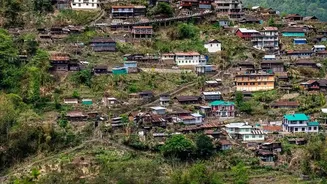
Just 20 kilometres from Kohima lies Khonoma, a 700-year-old Angami village celebrated as Asia's first 'green village'. This title isn't just a gimmick; the community made a collective decision to ban hunting and logging, creating a 20-square-kilometre sanctuary to protect its rich biodiversity. The village is a stunning example of sustainable living, with fortress-like stone gateways and intricate terraced fields carved into the surrounding hillsides. Hiring a local guide is highly recommended to understand the village's history of resistance and its transition to a conservation-focused community. A day trip is easy, but staying overnight in a homestay offers a deeper immersion into Angami life and culture.
Dzukou Valley
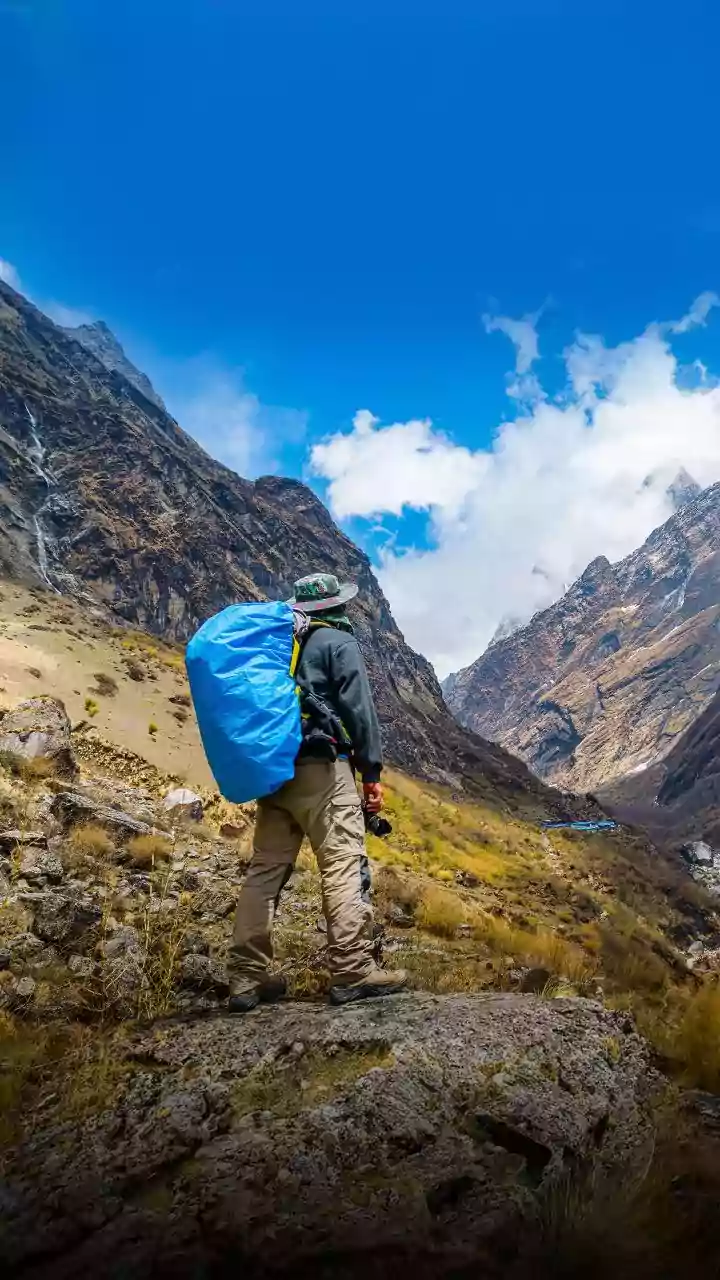
For the adventurous traveller, the Dzukou Valley is a must-see. Located on the border of Nagaland and Manipur at an altitude of 2,452 metres, this valley is famous for its rolling, treeless meadows that resemble a vast, green carpet. While it's particularly famous for the rare Dzukou lily that blooms in summer, the clear skies and dry trails of winter make it an ideal trek to combine with the Hornbill Festival. The trek itself is considered moderate, with the most common route starting from Viswema village, a short drive from the festival venue at Kisama. Most trekkers stay overnight in the basic guesthouse to witness the spectacular sunset and sunrise over the valley.
Nagaland State Museum
To truly appreciate the cultural diversity on display at the Hornbill Festival, a visit to the Nagaland State Museum in Kohima is essential. Established in 1970, the museum offers a comprehensive look into the history, traditions, and lifestyles of Nagaland's 16 major tribes, all under one roof. The galleries showcase an extensive collection of artefacts, including ceremonial attire, traditional weapons, intricate jewellery, and musical instruments. One of the highlights is the display of 'morungs' (traditional Naga huts) in miniature, illustrating the distinct architectural styles of different tribes. It's a fantastic educational stop that provides context to the performances and crafts you'll see at the festival.
Japfü Peak
Standing as Nagaland's second-highest summit at 3,048 metres, Japfü Peak offers one of the most rewarding day treks in the region. Located about 15 km south of Kohima, the trek takes you through lush forests and a famously dense bamboo grove. The peak is also home to the world's tallest rhododendron tree, a record-holder in the Guinness Book of World Records. The trek is moderately challenging and can take between 5 to 8 hours for a round trip. The final scramble to the top rewards you with breathtaking panoramic views that, on a clear day, can stretch across the Dzukou Valley and towards Myanmar. It's an excellent choice for those seeking a physical challenge and stunning mountain scenery.
Touphema Tourist Village
For an immersive cultural experience without the strenuous trek, Touphema Tourist Village is an ideal destination. Located about 41 km from Kohima, this village was created by the local community to offer visitors an authentic taste of Angami Naga life. You can stay overnight in traditional thatched huts that are equipped with modern comforts. Evenings are often spent around a bonfire, enjoying folk songs and dances performed by any villagers. The village also has a museum showcasing local artefacts and offers guided walks. It's a wonderful way to experience Naga hospitality, cuisine, and traditions in a serene, community-run setting.