





The Goal: A Gentle Reset
Forget extreme juice fasts or restrictive 'detoxes'. The aim here is not to punish your body, but to support it. A short-term reset focused on whole, easily digestible foods can reduce inflammation, ease bloating, and give your digestive system a well-deserved
break before the festivities begin. This approach is about nourishing your gut with simple, clean ingredients to help you feel lighter and more energetic. By cutting out processed foods, excess sugar, and other common irritants for a few days, you allow your body's natural cleansing processes to work more efficiently.
Hydrate with Water and Herbal Teas
The simplest step is often the most effective. Increasing your water intake is crucial for flushing out toxins and aiding digestion. Proper hydration helps fiber do its job, preventing constipation and keeping everything moving smoothly. Aim for at least two to three litres of water daily. You can start your morning with a glass of warm water with lemon to help stimulate digestion. Swapping out your usual coffee or sugary drinks for herbal teas like peppermint, ginger, or turmeric can also have a soothing, anti-inflammatory effect on your gut.
Embrace Probiotics and Prebiotics
A healthy gut is a happy gut, and that's where probiotics and prebiotics come in. Probiotics are live, beneficial bacteria that support a balanced gut microbiome, which can improve digestion and reduce inflammation. Good sources include plain yogurt with live cultures, kefir, and fermented foods like kimchi. Prebiotics are types of fiber that act as food for these good bacteria. You can find them in foods like bananas, onions, garlic, and oats. Including both in your reset helps create an ideal environment for your gut to thrive.
Focus on Gentle Fibers
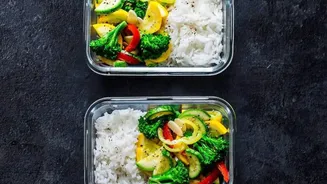
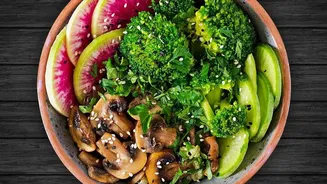
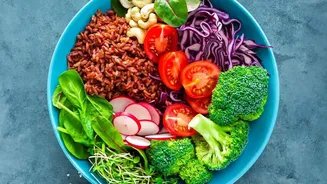
While fiber is essential for digestive health, some high-fiber foods can cause gas and bloating, especially if your system isn't used to them. For a gentle reset, focus on soluble fiber, which helps slow digestion and adds bulk to stool. Good choices include oats, brown rice, apples, and bananas. Bananas are particularly good as they also contain potassium, which can help reduce water retention and bloating. Cooked vegetables are often easier to digest than raw ones; try steamed spinach, zucchini, and carrots. Steaming cruciferous vegetables like broccoli can also make them easier on the stomach.
Choose Lean, Clean Proteins
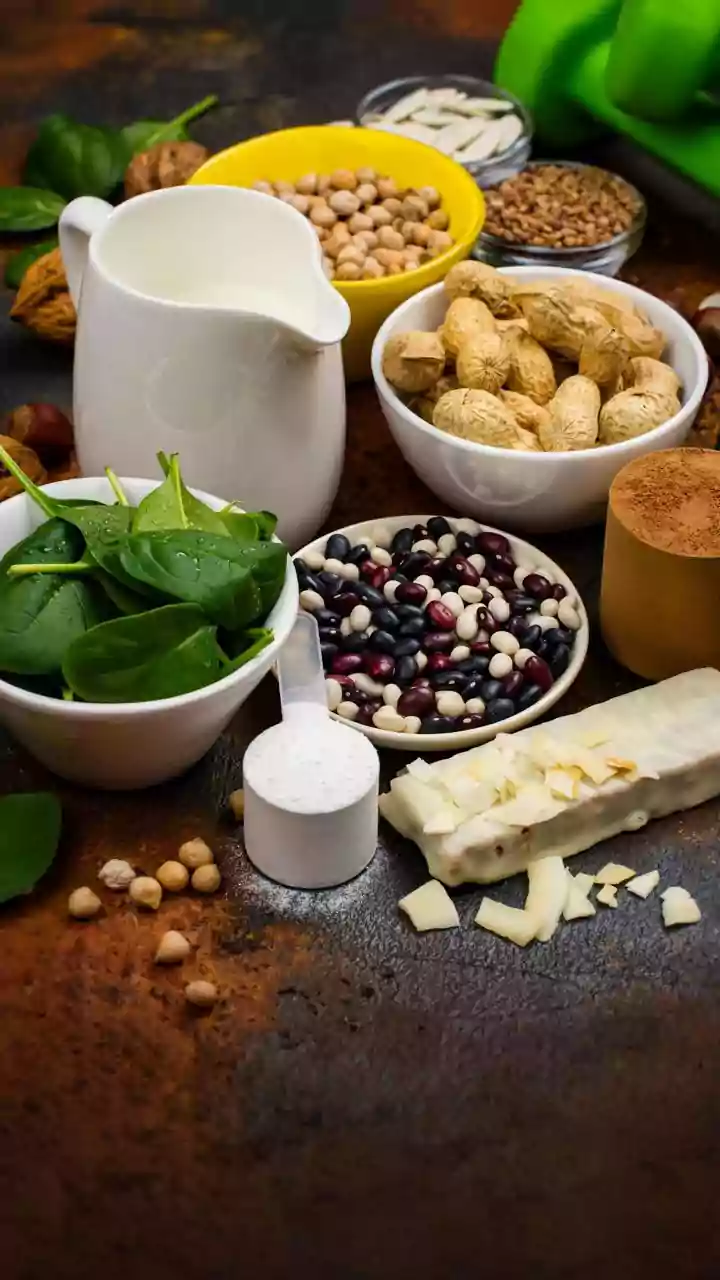
Protein is vital for keeping you full and stabilizing your energy levels, but heavy, fatty meats can slow down digestion. During your reset, opt for lean protein sources that are easier for your body to break down. Grilled chicken, turkey, and fish like salmon or cod are excellent choices. Plant-based options such as lentils, tofu, and tempeh are also packed with protein and fiber. These choices provide sustained energy without the heaviness that can come from red meat or fried foods.
Soothe with Anti-Inflammatory Spices
Certain herbs and spices are renowned for their digestive benefits. Ginger is well-known for reducing nausea and helping food move through the digestive tract more efficiently. Turmeric contains curcumin, a powerful anti-inflammatory compound that can help soothe the gut. Peppermint is also used to relax the digestive system and can be particularly helpful for those with irritable bowel syndrome. Incorporating these spices into your meals—whether in a tea, a smoothie, or a simple stir-fry—can add flavour and a therapeutic boost.
What to Limit for a Few Days
Just as important as what you eat is what you avoid. For a successful reset, try to temporarily limit or remove foods that can cause inflammation and digestive stress. This includes highly processed foods, items with added sugars and artificial sweeteners, and fried foods. It’s also wise to reduce your intake of alcohol, excessive caffeine, and for some, dairy and gluten, as these can be common triggers for digestive discomfort. Limiting carbonated drinks can also help reduce gas and bloating.