




The Monsoon Effect on Your Gut
That heavy, bloated feeling during the rainy season isn't just in your head. Both traditional Ayurvedic wisdom and modern science acknowledge that the monsoon can be tough on our digestive system. According to Ayurveda, the increased humidity and dampness
weaken our 'Agni', or digestive fire. This makes it harder for the body to process food efficiently, leading to symptoms like gas, acidity, and indigestion. From a contemporary viewpoint, the high humidity can slow down our metabolism. Furthermore, the season creates an ideal environment for bacteria and viruses to thrive, increasing the risk of food and water contamination, which can lead to stomach infections. Our bodies naturally crave warm, comforting foods, but often we reach for fried, oily snacks that only add to the digestive burden. The result is a system that feels slow, overworked, and out of balance.
The Magic of Fermentation
This is where the age-old practice of fermentation comes in. Fermented foods are rich in probiotics, which are live, beneficial bacteria that help restore balance to your gut microbiome. Think of them as reinforcements for your gut's natural army, helping to crowd out harmful bacteria and improve overall digestive function. The fermentation process also creates enzymes that effectively pre-digest the food, breaking down complex nutrients into simpler forms. This makes them much easier for a sluggish digestive system to absorb. By introducing these powerful foods, you're not just adding flavour to your meals; you're providing your gut with the tools it needs to function optimally, reducing bloating and improving nutrient uptake. It's a simple, effective way to support your body's internal ecosystem when it's under seasonal stress.
Your Kitchen Pharmacy: Easy Fermented Condiments
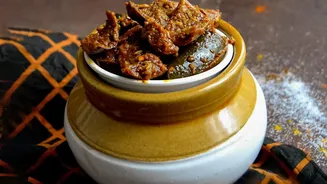
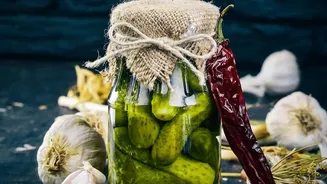
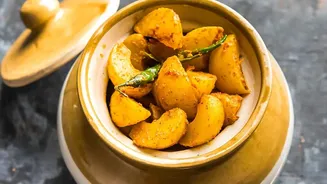
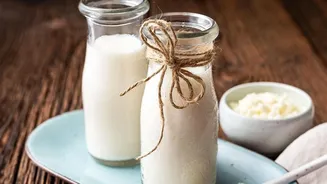
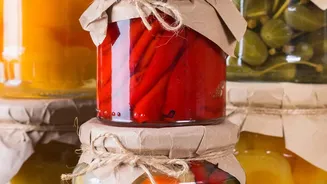
You don't need to buy expensive supplements to get these benefits. The Indian kitchen is a treasure trove of fermented wonders, many of which are easy to prepare at home. One of the most celebrated is Kanji, a tangy, probiotic-rich drink. Traditionally made with black carrots or beetroot, water, salt, and mustard seeds, it’s left to ferment in the sun for a few days. The resulting beverage is not only a powerful digestive aid but also a fantastic hydrator. Another simple yet potent remedy is the classic lemon pickle (Nimboo ka Achar). Unlike commercial, vinegar-based pickles, the traditional version is lacto-fermented. By simply combining lemons, salt, and spices in a glass jar and letting time and sunlight do their work, you create a condiment teeming with gut-friendly bacteria. Even a small spoonful with your meal can help stimulate digestive enzymes.
Why Homemade Trumps Store-Bought
While it may seem convenient to pick up a jar from the store, there’s a strong case for making your fermented condiments at home. Many commercially produced pickles and drinks are pasteurized—a heating process that kills off the very live and active probiotic cultures you need for digestive health. They may also contain preservatives, excess oil, and high levels of sodium or sugar that can counteract the health benefits. When you make your own, you have complete control over the ingredients. You can ensure you are using high-quality produce, control the salt content, and, most importantly, guarantee that your final product is a living food, rich in the beneficial microbes that your gut craves during the monsoon season. The process is also deeply rewarding, connecting you to a culinary tradition passed down through generations.