




A Triumph on the Lunar South Pole
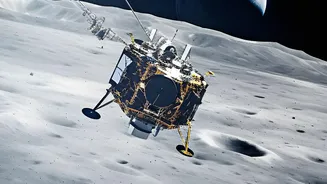
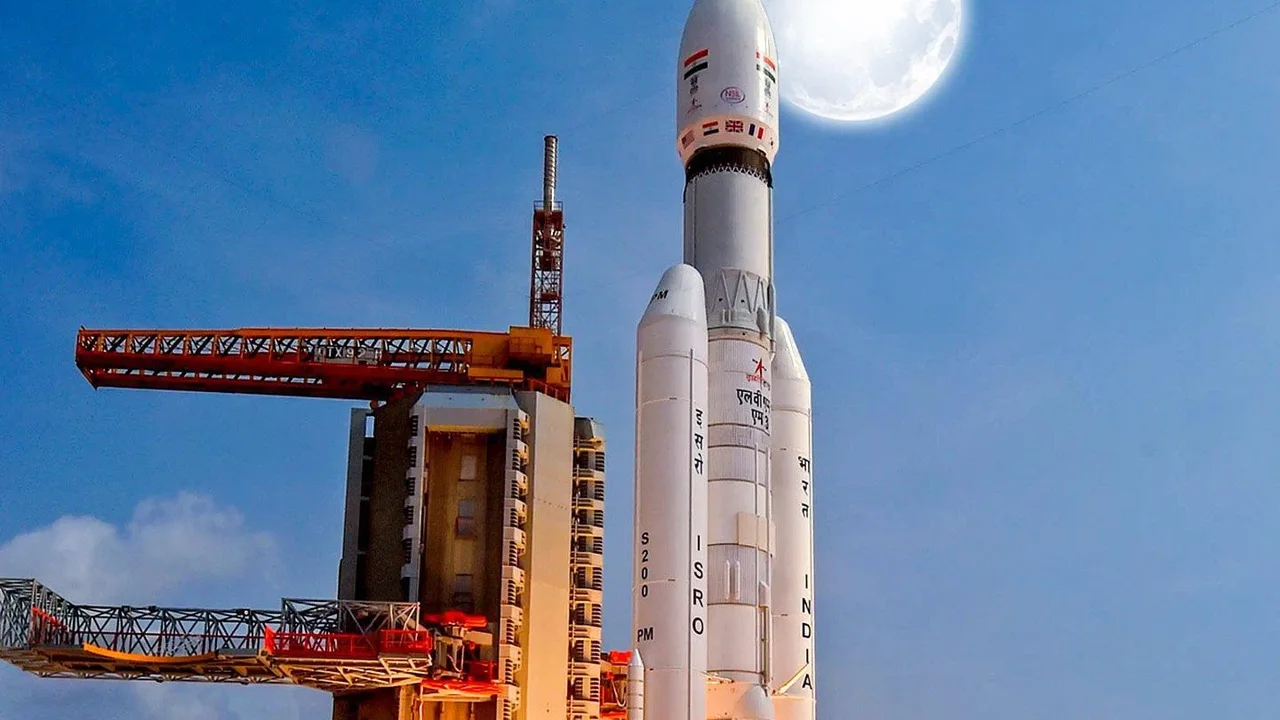
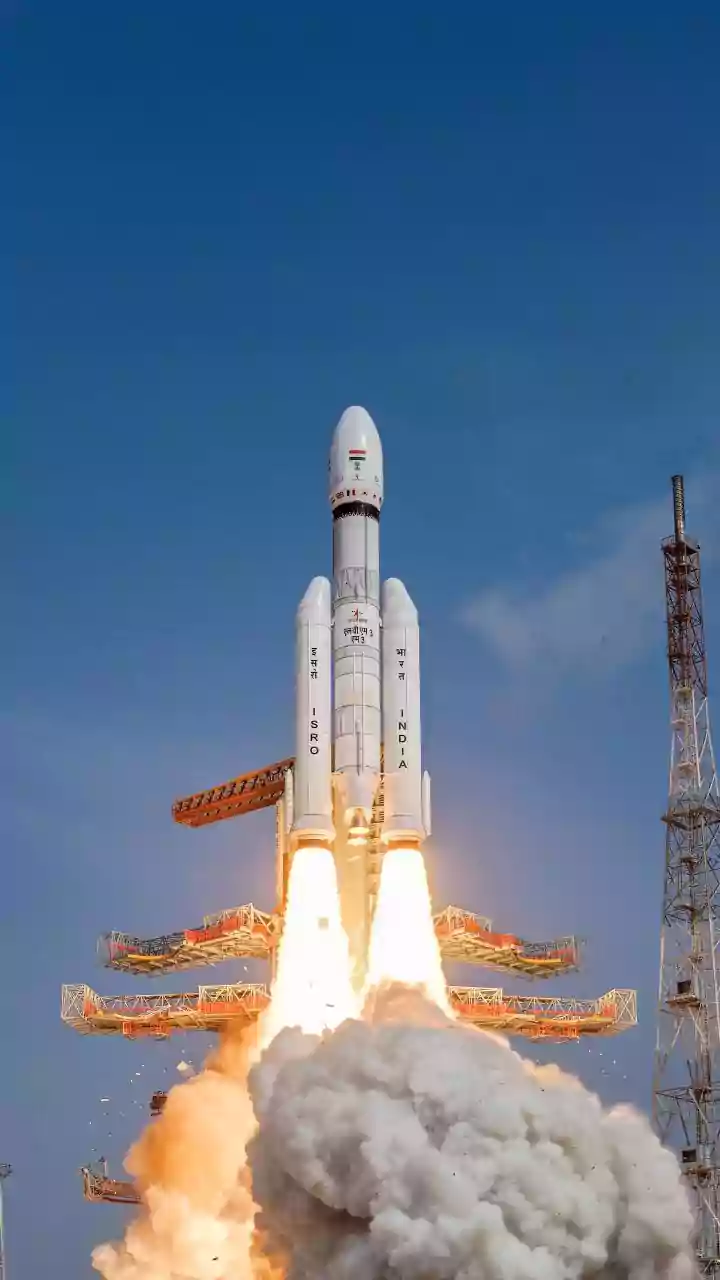
India's Chandrayaan-3 mission etched its name in history with a flawless soft landing near the Moon's south pole, a feat no other nation had accomplished. Beyond the landing itself, the mission's true purpose was to conduct groundbreaking science on this
uncharted territory. Deployed from the Vikram lander, the Pragyan rover and a suite of stationary instruments began probing the lunar environment. One key instrument, the Chandra’s Surface Thermophysical Experiment, or ChaSTE, was designed to do something seemingly simple: take the Moon’s temperature. By pushing a probe 10 centimetres into the ground, scientists hoped to create the first-ever in-situ thermal profile of the lunar topsoil in this region.
Not Just Dust, But a Three-Layer Cake
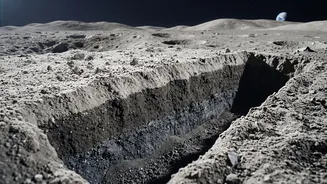
Scientists had long assumed the lunar regolith—the correct term for the Moon's 'soil' of shattered rock and glass-like shards—was largely uniform. However, the data sent back by ChaSTE painted a far more complex picture. Instead of a single consistent layer, the instrument revealed a distinct three-layered structure within that shallow 10 cm depth. The top layer, extending down about 3 cm, is extremely porous and fluffy, with a porosity of around 80%. Beneath that, from 3 to 6 cm, is a middle layer with higher thermal conductivity. Finally, a denser bottom layer sits between 6 and 10 cm deep. Researchers described the fine-scale layering as neither observed nor expected before.
An Unexpected Thermal Blanket
This layered structure has profound thermal implications. ChaSTE's probe recorded a massive temperature difference of about 73 Kelvin from the surface to a depth of 10 cm at local noon. The top, highly porous layer acts as a powerful thermal insulator, much like a blanket, preventing the Sun’s heat from penetrating deeper. Its density is remarkably low, around 600 kg per cubic metre, but just a few centimetres deeper, the regolith becomes much denser, reaching about 1,500 kg per cubic metre. This physical change explains the dramatic temperature gradient. Earlier analyses from the mission, particularly after Vikram performed a small 'hop' that blew away the top layer of dust, had hinted at a two-layer structure, but these new findings from the undisturbed landing site confirm an even more intricate profile.
Why This Layered Structure Matters
This discovery is more than just a geological curiosity; it has major practical consequences for the future of lunar exploration. The highly insulating properties of the topsoil could be a boon for building future lunar habitats, helping to protect structures and astronauts from the extreme temperature swings on the Moon's surface. However, the sharp increase in density and cohesion just centimetres down presents a new challenge for drilling and construction activities. Understanding these properties is crucial for designing equipment that can operate effectively. Furthermore, the findings are vital for scientists searching for water ice, as the porous top layer could play a role in how water molecules are trapped and stored beneath the surface. Scientists suggest this layering may be the result of successive impacts from nearby craters over millions of years, depositing materials with different properties.