






Embrace Recycled Materials
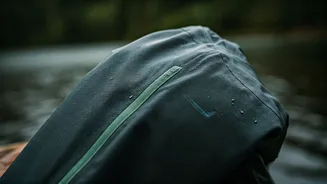
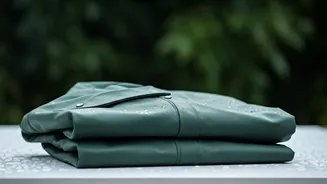
Many modern waterproof jackets are made from synthetic materials like polyester and nylon. The sustainable choice is to opt for versions made from recycled sources. Brands are increasingly using post-consumer waste, like plastic bottles, to create high-performance
fabrics. These recycled materials reduce our reliance on virgin resources and prevent plastic from ending up in landfills. When shopping, look for jackets made from 100% recycled polyester or recycled nylon. Certifications like the Global Recycle Standard (GRS) can help verify the material's origins. Brands such as Patagonia and Cotopaxi are known for incorporating recycled content into their waterproof gear.
Look for PFC-Free Finishes
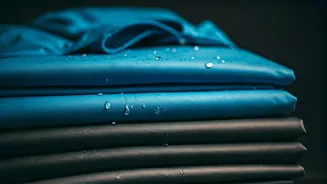
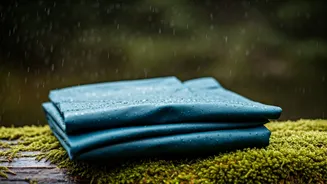
The coating that makes water bead up and roll off your jacket is often a Durable Water Repellent (DWR) finish. Traditionally, these have been made with per- and polyfluorinated chemicals (PFCs), which are harmful 'forever chemicals' that persist in the environment. Thankfully, the industry is shifting towards PFC-free alternatives. When choosing a new raincoat, check the label for “PFC-free” or “PFAS-free” to ensure you're making a healthier choice for the planet. Many outdoor brands like REI, Marmot, and Jack Wolfskin now offer extensive PFC-free collections.
Consider Natural and Traditional Options
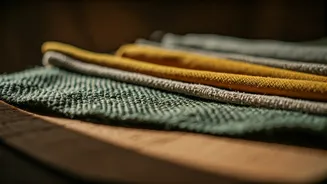
Before the invention of modern synthetics, people relied on natural materials to stay dry. Waxed cotton is a classic example that's making a comeback. This durable fabric is naturally water-resistant, breathable, and develops a unique character over time. Unlike synthetic jackets that can wear out, a waxed cotton jacket can last for decades with proper care, including occasional re-waxing. This makes it a highly sustainable option. Other natural materials like densely woven or boiled wool also offer surprising water resistance for light showers and are completely biodegradable.
Choose Durability Over Disposability
A key principle of sustainability is to buy less by buying better. Investing in a high-quality, durable raincoat is more eco-friendly than purchasing cheap ones that need frequent replacement. Look for features like sealed or taped seams, which prevent water from leaking through the stitching—a common weak point. A well-made jacket from a reputable brand might cost more initially, but its longevity reduces waste and environmental impact in the long run.
Don't Forget Boots and Umbrellas
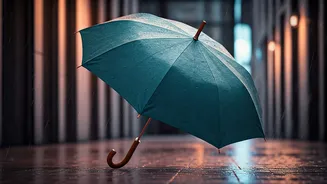
Sustainable rain protection isn't just about jackets. For footwear, look for rain boots made from natural rubber or recycled materials. Natural rubber is a renewable resource, and many brands are now offering stylish and durable options. For umbrellas, prioritize those built to last. A sturdy, well-constructed umbrella that can withstand wind without breaking is a far more sustainable choice than a cheap one that will end up in a landfill after a single storm.
Master the Art of Care and Repair
Extending the life of your gear is one of the most sustainable things you can do. Proper washing and care can maintain your jacket's performance. Always wash waterproof items with a specialised technical cleaner, as regular detergents can damage the DWR coating. When the water-repellent finish starts to fail, you don't need to buy a new jacket. You can easily reactivate it with a wash-in or spray-on reproofing treatment. For small rips or tears, waterproof repair patches or tape are an easy and effective way to fix the damage at home, saving you money and reducing waste.