






The Instant Craving We All Know
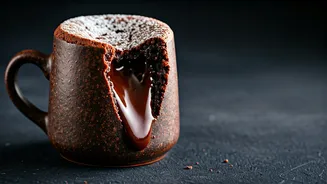
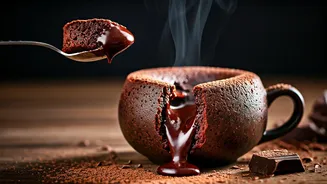
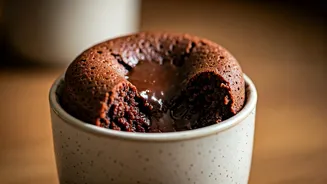
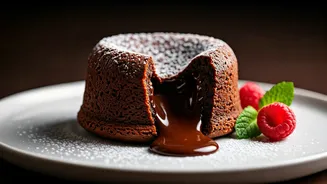
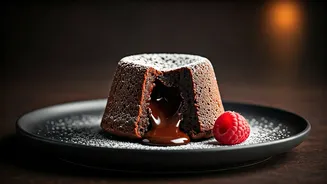
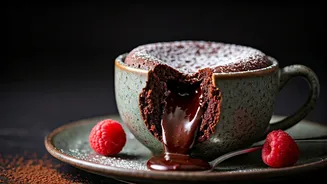
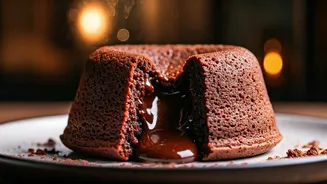
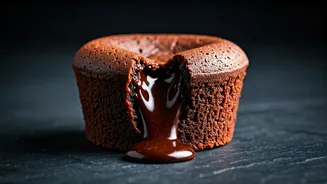
There are few desserts as universally loved as the molten chocolate lava cake. That first spoonful that breaks through the tender cake exterior to reveal a warm, flowing river of chocolate is a moment of pure bliss. For years, it has been a staple on dessert menus,
a symbol of sophisticated indulgence that often felt too complicated or risky to attempt at home. The line between a perfect molten center and a disappointing, overcooked puck of chocolate cake is dangerously thin. Traditional oven-baked recipes require precise timing and temperature, creating a high-stakes baking environment that many home cooks would rather avoid, especially when a sudden chocolate craving strikes. This is where the frustration begins: you want that luxurious dessert now, not after 30 minutes of careful preparation and anxious oven-watching. The desire for instant gratification meets the reality of a finicky recipe, leaving that craving unmet.
Why This Hack Is a Game-Changer
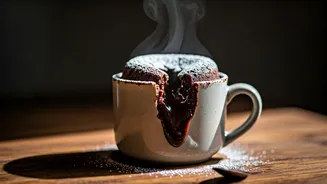
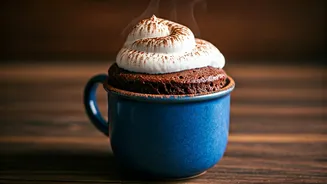
The word "essential" might seem strong for a dessert hack, but this method earns its title by transforming a once-intimidating treat into an accessible, everyday luxury. The magic lies in your microwave. By using a mug and a microwave, you slash the cooking time from 15-20 minutes to under two. This isn't just about speed; it's about control and consistency. A microwave heats quickly and intensely, cooking the outer edges of the cake while leaving the center just warm enough to be perfectly gooey. The risk of a uniformly-cooked, lava-less cake plummets. It’s also a single-serving hero, meaning you can whip one up just for yourself without committing to a whole batch. The cleanup is minimal—often just the mug you eat from and a spoon. This hack democratizes the lava cake, taking it from a special-occasion dessert to a go-to solution for a weeknight treat or a last-minute way to impress a guest.
Your Simple Ingredient Toolkit
The beauty of this hack is that it relies on basic pantry staples. You likely have everything you need to make this right now. You’ll need a standard-sized, microwave-safe mug (around 12 ounces is ideal to prevent overflows). For the cake itself, you will need: all-purpose flour, granulated sugar, unsweetened cocoa powder, a pinch of salt, an egg, milk, and a neutral oil or melted butter. For that crucial molten center, the secret weapon is a high-quality piece of chocolate. While you can use chocolate chips, many bakers recommend using a piece from a good quality baking chocolate bar, as it's designed to melt more smoothly. Bittersweet or semi-sweet chocolate with a cocoa percentage between 60-72% provides a rich, intense flavour that balances the sweetness of the cake. A small dash of espresso powder can also be added to the dry ingredients to deepen the chocolate flavour without making it taste like coffee.
The Method: From Mug to Magic in 120 Seconds
Ready for the easiest dessert you'll ever make? Start by mixing your dry ingredients—flour, sugar, cocoa powder, and salt—directly in your mug. In a separate small bowl, whisk the egg and then stir in the milk and oil (or melted butter). Pour the wet ingredients into the mug with the dry ingredients and mix until just combined. It’s important not to overmix, as this can lead to a tough, dry cake. Now for the lava: take one or two squares of your good-quality chocolate and push them into the center of the batter until they are just covered. This is what will create that signature molten core. Place the mug in the microwave and cook on high. The timing is the most critical part and depends on your microwave's wattage. Start with 60 seconds. The cake is done when the edges look set and cooked, but the center is still slightly soft and jiggly. If it’s not ready, continue heating in 10-second intervals until it's just right.
Avoiding Common Pitfalls
Even with a simple hack, a few things can go awry. The most common mistake is overcooking. Even five to ten extra seconds can turn your molten center into a solid cake. Always err on the side of caution and check early. Let the cake rest for a minute after it comes out of the microwave; the residual heat will continue to cook it slightly. Another issue is overflow. If your mug is too small, the batter will rise and spill over. Make sure to only fill your mug about halfway to give the cake room to expand. If your cake turns out dry, you may have overmixed the batter after adding the flour, which activates gluten and toughens the texture. Mix only until the streaks of flour disappear. Finally, for the best lava flow, use a good quality chocolate bar instead of chips, which contain stabilizers that prevent them from melting as smoothly.