


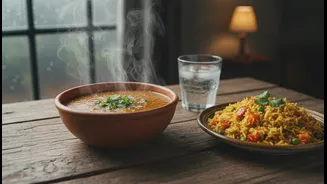




The Modern Dinner Dilemma
In today’s fast-paced world, the desire for fresh, nutritious food is often at odds with the reality of our busy schedules. For many urban professionals and dual-income families in India, the hours between finishing work and dinnertime are filled with commuting,
errands, and fatigue. While the appeal of a meal made from scratch is strong—offering better nutrition and a sense of connection—the effort required for planning, shopping, chopping, and grinding can be overwhelming. This frequently leads to a compromise: either settling for repetitive, unhealthy takeaways or spending precious time on a chore that feels more stressful than satisfying. This gap between aspiration and reality is where the concept of assisted cooking finds its purpose, addressing the eternal tug-of-war between the ideal of a home-cooked meal and the convenience that modern life demands.
What Exactly Is Assisted Cooking?
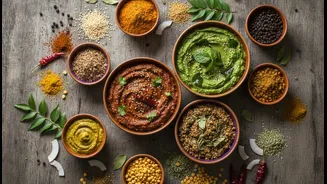
Assisted home cooking isn't about fully prepared, heat-and-eat meals. Instead, it occupies a growing space on the spectrum between raw ingredients and a finished dish. Think of it as a collaboration with your kitchen. This category includes a wide variety of products and services designed to handle the most tedious parts of meal preparation. Examples include meal kits that arrive with perfectly portioned vegetables, spices, and proteins; ready-to-cook pastes and gravies that form the base for a complex curry; pre-marinated meats ready for the pan; and even packs of pre-chopped vegetables. The core idea is to save you time and effort on prep work while leaving the final, rewarding act of cooking—the sizzle in the pan, the final stir, and the plating—in your hands.
Convenience Without Compromise
The primary benefit of assisted cooking is that it offers significant convenience without sacrificing the quality and freshness of a homemade meal. These solutions drastically cut down on prep time, which, according to labour statistics, can take up a significant chunk of an average day. This allows home cooks to bypass decision fatigue and the lengthy process of assembling ingredients, making it possible to put a sophisticated meal on the table in a fraction of the time. Moreover, it reduces food waste, as ingredients in kits are pre-portioned for specific recipes. This approach empowers people to cook more at home, reducing reliance on less healthy fast food and restaurant meals while still accommodating a busy lifestyle.
The Psychology of Finishing Fresh
Beyond the practical benefits, assisted cooking taps into a deep psychological need for accomplishment and control. Research shows that the act of cooking can be a powerful tool for enhancing mental well-being, offering a sense of mindfulness and agency. When you cook, even with assistance, you are engaged in a creative process with a tangible, rewarding outcome. Successfully finishing a dish reinforces a sense of competence and mastery. This feeling of satisfaction is something that fully prepared meals or takeaways often fail to provide. By participating in the final, most sensory stages of cooking, you still get the aromas, the visual appeal, and the pride of serving a meal you actively created, which triggers the brain's reward centres and fosters a positive emotional connection to your food.
A Growing Trend in Indian Kitchens
In India, the market for ready-to-cook (RTC) meals and meal kits is experiencing significant growth. The Indian RTC market reached USD 7.1 Billion in 2025 and is projected to grow substantially. This surge is driven by busy urban consumers, young professionals, and health-conscious families who seek convenient yet authentic meal solutions. Dozens of direct-to-consumer brands have emerged, offering everything from traditional biryani kits and pav bhaji mixes to international cuisine kits for dishes like Thai green curry. This trend reflects a broader shift in Indian kitchens, where technology and modern solutions are being embraced to make traditional and experimental cooking more accessible. It allows people to explore diverse regional and global cuisines without needing to source exotic ingredients or master complex techniques from scratch.