



Start with a Strong Foundation
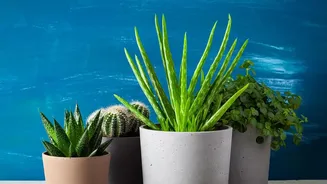
The first step to preventing damage is choosing the right home for your plants. Balcony containers are more exposed to the elements than garden beds. Opt for pots that are wide and heavy, as they are less likely to be knocked over by strong winds. Materials
like plastic or metal are less prone to cracking in fluctuating temperatures compared to terracotta. Good drainage is non-negotiable. Ensure every pot has drainage holes to prevent water from stagnating, which can lead to root rot, one of the most common killers of container plants. If a plant's roots are too cramped in a small pot, it can lead to stress and weak growth, so give them adequate space from the beginning.
Provide Physical Support Against Wind
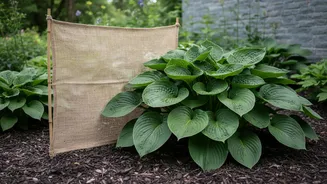
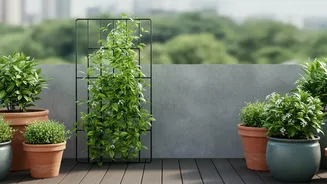
Wind is one of the biggest threats to balcony plants. It can dry out soil rapidly, stress stems, and even topple entire containers. Instead of waiting for a plant to start leaning or breaking, add supports early. For climbing plants like tomatoes or flowering vines, install a trellis or stakes when you first pot them. This gives them a structure to grow onto, making them sturdier from the start. For taller, non-climbing plants, a simple stake can prevent the stem from bending or snapping in a gust. Another effective strategy is to arrange pots in groups. Placing smaller, more vulnerable plants behind larger, heavier ones creates a natural windbreak. Installing a slatted or mesh screen on your balcony railing can also be a huge help, as it filters and slows the wind without creating the damaging turbulence that a solid barrier might.
Establish a Smart Watering Routine
Watering is a delicate balance in a balcony garden. Containers dry out much faster than garden soil, especially when exposed to sun and wind. However, overwatering is a frequent mistake that leads to yellowing leaves and suffocated roots. The best approach is to check the soil manually before adding water. Push your finger about an inch into the soil; if it feels dry, it’s time to water. If it's still moist, wait. Watering in the morning is generally best, as it allows the plant to hydrate before the peak heat of the day and lets foliage dry, reducing the risk of fungal diseases. For those with busy schedules, self-watering pots can be a game-changer, providing a consistent moisture supply without the guesswork.
Manage Sun Exposure and Heat
Balconies are often surrounded by heat-reflecting surfaces like concrete, glass, and brick, creating a microclimate that can be significantly hotter than at ground level. While many plants love sun, too much direct, intense heat can scorch leaves and rapidly dry out the soil. Observe how the sun moves across your balcony throughout the day and arrange your plants accordingly. Place sun-lovers in the brightest spots and those that prefer partial shade in more protected corners. For very hot, south- or west-facing balconies, consider using a shade cloth. Even a light, permeable fabric can significantly reduce heat stress. Grouping plants together also helps create a more humid, cooler micro-environment. Applying a layer of mulch, like wood chips, on top of the soil can also help retain moisture and keep roots cool.
Keep a Lookout for Pests and Disease
Crowding too many plants together on a balcony can restrict airflow, creating a humid environment that is an ideal breeding ground for pests and fungal diseases like powdery mildew. Give your plants enough space to breathe. Regularly inspect your plants, checking the undersides of leaves and the points where leaves join the stem. This is where pests often hide. Catching an infestation early, when it’s just a few insects, is much easier to manage than dealing with a full-blown invasion. A simple spray of soapy water can often take care of common pests like aphids if caught early. By making these quick checks part of your routine, you can head off major problems while they are still minor concerns.