


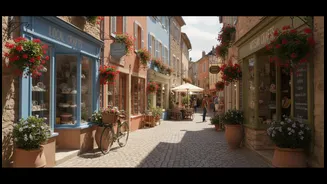




What Exactly Is Slow Travel?
Slow travel is about consciously choosing to experience a place deeply rather than seeing many places superficially. It’s the opposite of the “seven countries in seven days” approach. This philosophy encourages travellers to stay longer in a single destination,
immersing themselves in the local culture, pace, and way of life. The concept has its roots in the slow food movement, which began in Italy in the 1980s to champion local culinary traditions over fast food. Similarly, slow travel is a rejection of fast-paced, mass-market tourism, favouring authentic and meaningful connections with people and places. It’s less about how many landmarks you photograph and more about the memories you make in the moments in between.
Trading Burnout for Deeper Connection
One of the most significant benefits of adopting a slower pace is the reduction of travel-related stress and burnout. The pressure to see and do everything can be exhausting, leaving you feeling more drained than rejuvenated. Slow travel allows for a more relaxed itinerary, with plenty of room for spontaneity and unexpected discoveries. By lingering in one place, you have the chance to build genuine relationships with locals, understand the daily rhythm of a community, and discover hidden gems that aren't in any guidebook. This approach fosters a more profound sense of connection to a place, allowing you to walk away with a taste of what it’s really like to live there, rather than just being a visitor passing through.
A More Sustainable and Mindful Choice
Beyond personal well-being, slow travel is also an inherently more sustainable form of tourism. By staying put for longer, travellers reduce their carbon footprint associated with frequent flights and other forms of transport. It encourages the use of local transportation like trains, buses, or even bicycles and walking, which are kinder to the environment. This approach also tends to benefit local economies more directly. Slow travellers are more likely to stay in locally-owned guesthouses, eat at family-run restaurants, and buy from local artisans, ensuring that their money supports the community they are visiting. In India, this trend is growing as travellers seek alternatives to over-touristed spots, driven by a greater awareness of environmental impact and a desire for more mindful experiences.
How to Embrace the Slow Travel Mindset
Adopting slow travel doesn't necessarily require a month-long sabbatical. It’s a mindset you can apply to any trip. Start by planning less; instead of a packed, hour-by-hour schedule, maybe choose just one main activity per day. Leave the rest of your time open for wandering, getting lost, and following your curiosity. Instead of rushing between cities, choose one as a base and explore the surrounding area. Engage with the local community by learning a few words of the language, shopping at local markets, or taking a class to learn a local skill. Even on a short trip, you can travel slowly by choosing to explore a single neighbourhood in depth rather than racing across the city to see all the major sights. The goal is to let go of the pressure to do more and instead embrace the joy of simply being present.