





A New Leader for a New Era
In a move signalling its intense focus on artificial intelligence, Meta has appointed a new head for its vast infrastructure division. In early 2027, Santosh Janardhan, a 15-year company veteran who was instrumental in building Meta's global data centres,
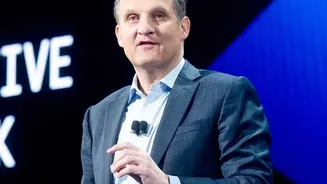
will step down. His successor is David Brown, a former senior executive from Amazon Web Services (AWS) who joined Meta in mid-2026. This appointment is critical, as Brown's experience at AWS in managing hyperscale cloud infrastructure is seen as vital for steering Meta's next phase. The transition places a seasoned cloud expert at the helm of an unprecedented AI buildout, tasked with converting billions in investment into tangible technological dominance while navigating investor scrutiny over the massive costs.
The AI Factories: A Data Centre Boom
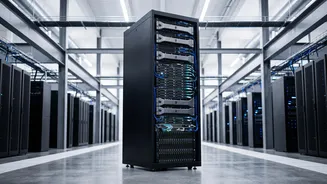
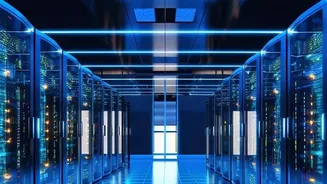
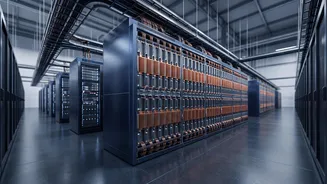
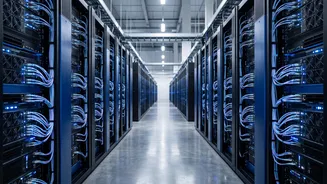
At the heart of Meta's AI ambition is a colossal expansion of its physical footprint. The company is pouring tens of billions of dollars into constructing and expanding data centres, which function as the factories for training and running AI models. For 2026 alone, Meta has forecasted capital expenditures between $135 billion and $145 billion, a figure largely dedicated to this AI buildout. A flagship project is the Hyperion campus in Louisiana, a facility whose planned capacity has been expanded to a staggering 5 gigawatts. To put this in perspective, this single site is multiple times larger than Manhattan's Central Park and represents a power consumption level previously unheard of for a single data centre campus. This aggressive expansion signals a strategic shift where securing physical capacity is now a primary competitive advantage in the AI race.
An Insatiable Thirst for Compute
Data centres are useless without the specialized processors that power AI. Consequently, Meta is on a historic chip-buying spree. The company has forged a multi-year partnership with Nvidia to acquire millions of its latest GPUs, the advanced processors essential for AI workloads. Mark Zuckerberg has stated a goal of accumulating a massive arsenal of GPUs, with plans to have well over a million in operation. This enormous compute capacity is the fuel required to train increasingly sophisticated AI models like Meta's Llama family and to pursue the long-term vision of 'superintelligence'. The strategy is clear: the more computational power a company has, the more powerful and capable its AI models can become. This has also led Meta to diversify its supply chain, developing its own custom AI chips and working with other suppliers to avoid over-reliance on a single partner.
From Social Feeds to a Compute Cloud
This massive investment is not just for improving Instagram's filters. Zuckerberg's stated goal is to build Artificial General Intelligence (AGI), or what he now often calls 'superintelligence', and to make it widely available. The infrastructure being built is designed to support this grand vision. However, a more immediate business opportunity has emerged from this buildout. With so much infrastructure coming online, Meta is reportedly launching a new cloud business called 'Meta Compute'. This initiative would sell surplus AI computing power to other companies, directly competing with established cloud providers like Amazon, Google, and Microsoft. This move could transform what is currently a massive cost centre—its infrastructure—into a significant new revenue stream, justifying the immense capital expenditure and reshaping the competitive landscape of the cloud computing market.