







Mastering Your Monsoon Commute
Navigating Indian roads during the monsoon requires patience and preparation. Whether you drive a car or ride a two-wheeler, your primary focus should be visibility and grip. Before the rains begin, conduct a thorough check of your vehicle. Inspect tyre
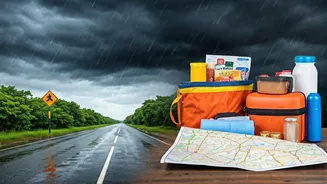
tread depth to ensure a good grip on slippery roads and replace worn-out tyres. [7] Test your brakes, as wet conditions can increase stopping distances. [7] Wiper blades are non-negotiable; replace them if they leave streaks or make noise, as clear vision is critical in a downpour. [11, 12] It's also wise to check all lights—headlights, tail lights, and indicators—to ensure you are visible to others. [12] For daily travel, stay updated with weather apps and traffic alerts to avoid waterlogged areas. [3] If you're driving, avoid deep water as it can severely damage your engine. [7] For everyone, it’s smart to budget extra travel time, as delays are almost inevitable. [3, 19]
A Guide to Safe Monsoon Meals
The high humidity of the monsoon season creates a perfect breeding ground for bacteria, making food and water safety paramount. [18] Health experts advise against consuming street food, especially items like chaat, pre-cut fruits, and juices that use unboiled water or are exposed to the open air. [16, 22] The risk of contamination from waterborne diseases like cholera and typhoid increases significantly. [9] It's safest to drink only boiled or filtered water. [4, 5] At home, focus on freshly cooked, warm meals. [2] Wash all fruits and vegetables thoroughly, preferably with salt water or a designated wash, before consumption. [5] Even raw salads should be avoided; opt for steamed or lightly cooked vegetables instead. [18] This is because your digestive system can be weaker during this season. [9] Storing food correctly is also crucial. Keep leftovers refrigerated in clean, covered containers and consume them promptly. [18]
Building Your Home & Personal Backups
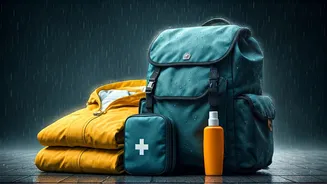
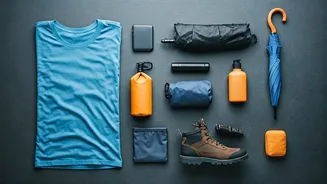
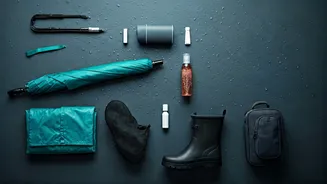
Unexpected power cuts and getting stranded are common monsoon challenges. A well-prepared emergency kit for your home and daily bag can make a huge difference. For your home, assemble a kit that includes a powerful torch with spare batteries, a rechargeable emergency lantern, and a fully charged power bank for your phone. [13, 21] Stock up on non-perishable snacks like biscuits, nuts, and energy bars, along with a supply of clean drinking water. [13] A comprehensive first-aid kit is also a must-have, containing basics like antiseptic liquid, bandages, pain relievers, and any personal prescription medications. [24, 25] For your daily commute bag, pack a lightweight raincoat or poncho, a waterproof cover for your bag, and a spare pair of dry clothes and open-toed footwear to change into. [19, 21, 24] A small hand sanitiser and mosquito repellent are also useful additions. [2, 19]
Prioritising Health and Hygiene
Beyond food and travel, general hygiene is key to staying healthy during the monsoon. The damp conditions can lead to fungal infections, so it's important to stay dry and change out of wet clothes as soon as possible. [10, 24] Mosquito-borne illnesses like dengue and malaria are also prevalent. [19] Ensure there is no stagnant water around your home where mosquitoes can breed, and use repellent when outdoors. [2, 10] Personal hygiene practices like washing hands frequently, especially before meals, are crucial to prevent the spread of germs that thrive in the humid weather. [4, 5] Maintaining a healthy diet rich in immunity-boosting foods like ginger, turmeric, and citrus fruits can also help your body fight off common monsoon infections. [10, 15] A little extra care in your daily routine will help you remain healthy and enjoy the rainy season without falling ill.