





The Science of the 4 PM Slump
That mid-afternoon craving for something salty, sweet, or fried isn't a failure of willpower; it's a biological response. As the hours pass after lunch, your blood sugar levels can dip, triggering a signal for a quick energy boost. Unfortunately, the most
readily available office snacks are often highly processed foods loaded with refined sugars, unhealthy fats, and salt. These foods are engineered to be 'hyper-palatable', activating pleasure centres in our brain for a short-term reward. This leads to a vicious cycle: you get a brief spike in energy followed by a crash, leaving you less focused and more likely to reach for another unhealthy snack.
Millet Magic: The Ragi and Jowar Advantage
This is where ancient Indian grains like Ragi (finger millet) and Jowar (sorghum) come in. Unlike the simple carbohydrates found in junk food, these millets are complex carbs packed with dietary fibre. This high fibre content slows down digestion, ensuring a steady release of energy instead of a sudden spike and crash. Ragi is a nutritional powerhouse, renowned for being rich in calcium and iron, which are crucial for bone health and energy. Jowar is prized for being light on the stomach, gluten-free, and full of antioxidants. Swapping to snacks made from these grains isn't just about avoiding the bad; it's about actively choosing something good for your body and brain.
The Ultimate Chip Swap
The headline heroes, roasted ragi chips and spiced jowar puffs, are a perfect starting point. Compared to conventional deep-fried potato chips, which offer little nutritional value beyond fat and calories, baked or roasted millet chips are a game-changer. Roasting preserves more of the grains' natural goodness, resulting in a snack that's lower in fat and calories but significantly higher in fibre and micronutrients. Ragi chips provide a hearty, earthy flavour and a satisfying crunch, while jowar puffs are often lighter and airier. Seasoned with classic Indian spices, they deliver the flavour you crave without the guilt, making them a smart and delicious desk-drawer staple.
Build Your Healthy Snack Arsenal
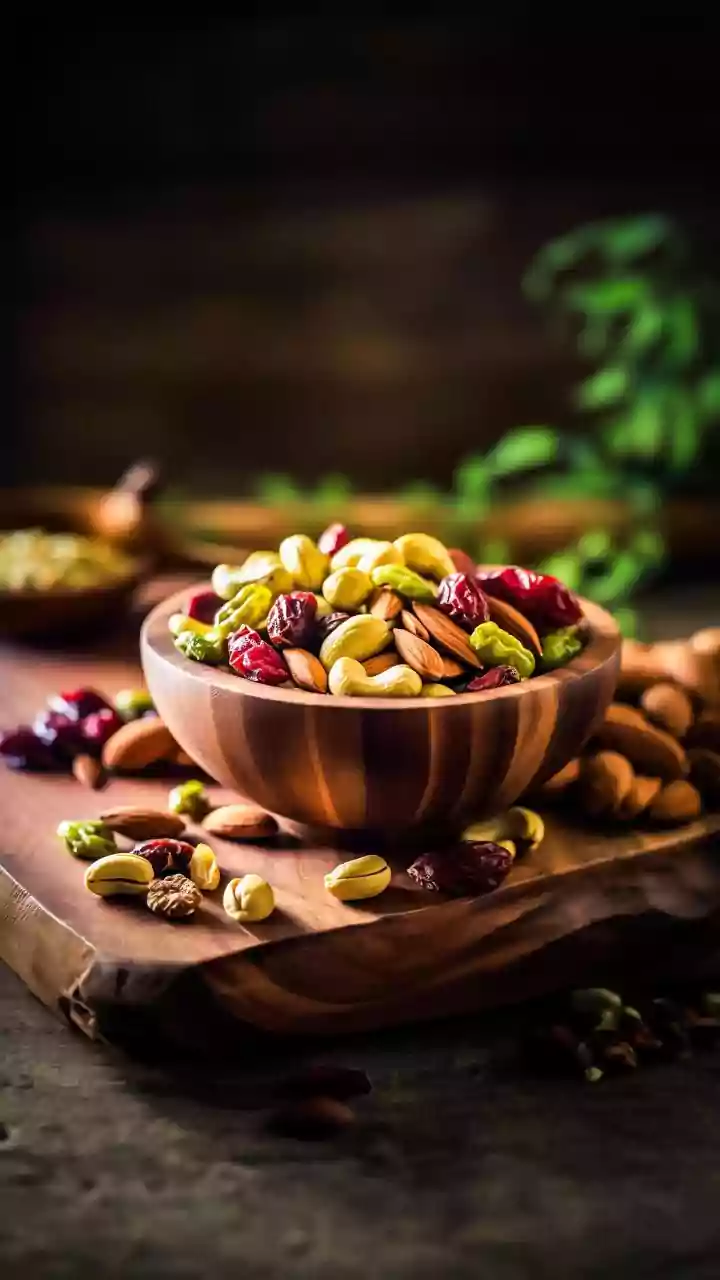
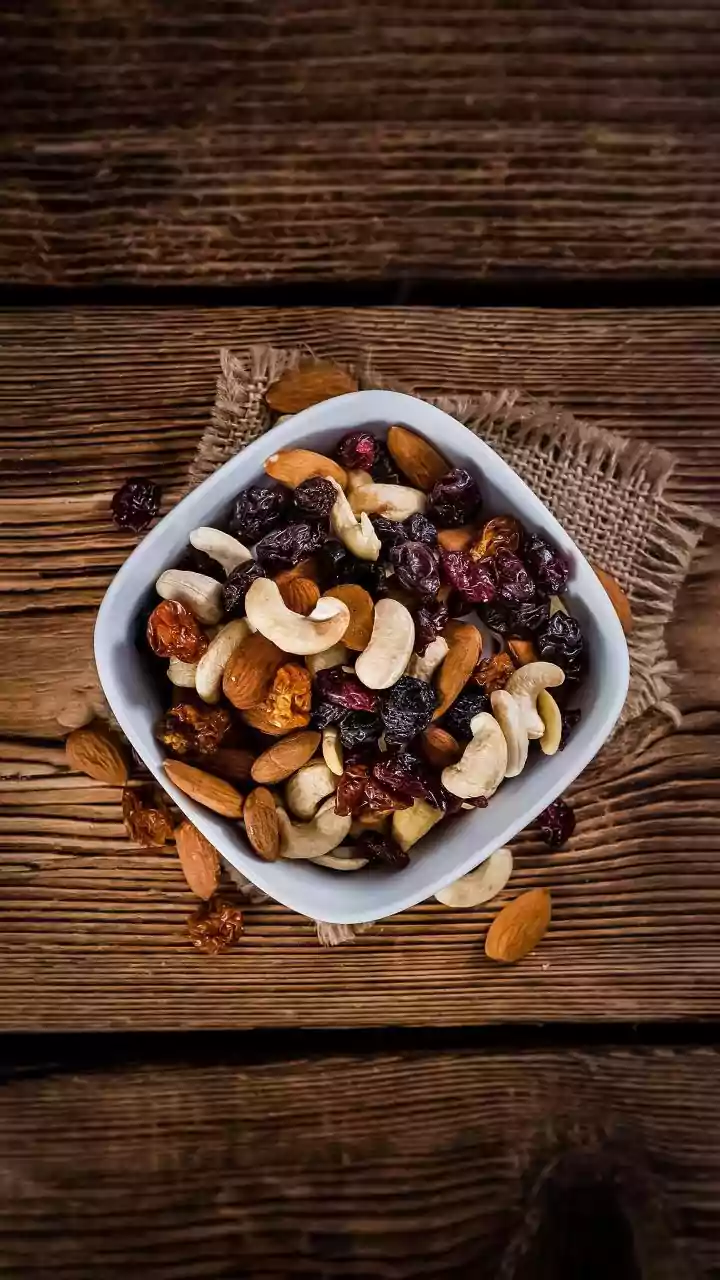
While ragi and jowar snacks are fantastic, variety is key to building a sustainable habit. Your healthy office snack toolkit can be expanded to include other nutrient-dense options that require minimal prep. Roasted makhana (fox nuts) are light, crunchy, and low in calories. A handful of roasted chana (chickpeas) or mixed nuts like almonds and walnuts provides a fantastic mix of protein and healthy fats to keep you feeling full. Even simple options like a banana, an apple with a single-serve pack of peanut butter, or a small cup of plain yoghurt can effectively bridge the gap between meals, keeping your energy stable and your focus sharp.
Making the Healthy Habit Stick
The secret to successfully kicking the office junk food habit is planning. Willpower alone is rarely enough when you're busy and stressed. The key is to make the healthy choice the easy choice. Dedicate a small amount of time on the weekend to pre-portion your snacks into small bags or containers. Stock your desk drawer, so a better option is always within arm's reach. Keep a reusable water bottle on your desk; sometimes, our brains mistake thirst for hunger. By removing the friction and making healthy snacks just as convenient as the unhealthy ones, you set yourself up for success.