





As the monsoon humidity gives way to the crisp, dry winds of autumn, your hair faces a new challenge: wind abrasion. This seasonal shift can leave strands tangled, brittle, and prone to breakage. Here’s how to adjust your routine to keep it safe.
Understanding Post-Monsoon Wind Damage
After
months of high humidity, your hair cuticle may be more vulnerable. The arrival of dry autumn wind acts like sandpaper, roughing up the hair's surface. This constant friction strips away natural moisture, causing the protective outer layer of each strand to lift and fray. The result is what experts call 'wind abrasion'—hair that looks dull, feels dry, and becomes a tangled mess prone to split ends and breakage. Furthermore, hair that is still recovering from monsoon-related issues like scalp buildup or dampness is even more susceptible to this type of damage.
Embrace Protective Hairstyles
The simplest way to reduce wind abrasion is to minimise your hair's exposure. Keeping it contained is a non-negotiable step on blustery days. Styles that secure your strands prevent them from whipping around and rubbing against each other. Classic braids, sleek low buns, and chignons are excellent choices because they keep hair neatly tucked away. For a more casual look, a top knot, a simple ponytail, or even French braid pigtails work wonderfully. If your hair is loose, even a silk or satin scarf can act as a physical barrier, preventing tangles and moisture loss while adding a stylish touch.
Lock in Moisture with the Right Products
Wind is incredibly effective at drying out your hair. To counteract this, moisture is your best defence. Switch to a more hydrating shampoo and conditioner as the weather cools. After washing, and before stepping out, apply a leave-in conditioner or an anti-frizz serum. These products create a protective seal around the hair cuticle, smoothing it down and reducing friction. Look for ingredients like shea butter, argan oil, glycerin, or panthenol, which are known for their ability to attract and retain moisture, keeping your hair soft and manageable despite the weather. Never leave the house with wet or damp hair, as it is much weaker and more susceptible to breakage when exposed to wind.
Incorporate a Weekly Deep-Conditioning Treatment
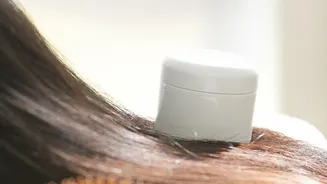
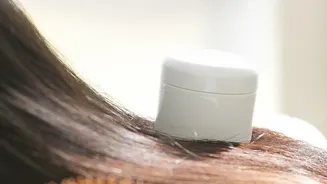
Your regular conditioner is for daily maintenance; a weekly hair mask is for deep repair. Post-monsoon and into autumn is the perfect time to make this a non-negotiable part of your routine. A good quality hair mask provides a concentrated dose of nourishing ingredients that penetrate the hair shaft more deeply than a standard conditioner. This helps to repair damage from the inside out, replenish lost moisture, and strengthen strands against future stress. Look for masks labelled as 'hydrating', 'repairing', or 'nourishing', often containing ingredients like manuka honey, coconut oil, or keratin. Applying a mask once a week can dramatically improve your hair's resilience.
Small Habits That Make a Big Difference
Beyond products and styling, a few key habit changes can fortify your hair. First, always detangle gently using a wide-tooth comb, starting from the ends and working your way up to the roots to minimise breakage. When washing, use lukewarm water instead of hot, as high temperatures can strip natural oils. Additionally, consider the transition from the humid monsoon by starting your autumn routine with a clarifying shampoo or scalp scrub to remove any lingering product buildup, which allows hydrating products to work more effectively. Finally, getting regular trims every few months is crucial for removing split ends before they can travel up the hair shaft and cause more significant damage.