


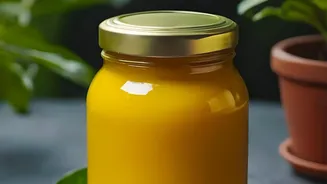
The Golden Age of Ghee Returns
There’s a quiet revolution happening on stovetops across urban India. A growing movement towards traditional, wholesome ingredients has put ghee back in the spotlight. This resurgence isn't just about nostalgia; it’s a conscious choice driven by a desire
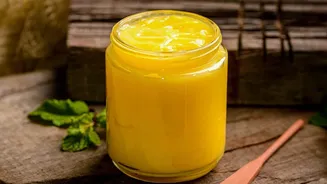
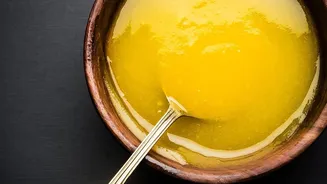
for better flavour, authentic taste, and healthier cooking practices. For generations, ghee was the cornerstone of Indian cooking, revered for its taste and Ayurvedic properties. After a period where modern refined oils dominated, home cooks are rediscovering what their grandparents knew all along: that this golden fat is not only delicious but uniquely suited to our style of cooking. This renewed appreciation celebrates ghee's versatility and its deep roots in our culinary heritage.
What Makes Ghee a High-Heat Hero?
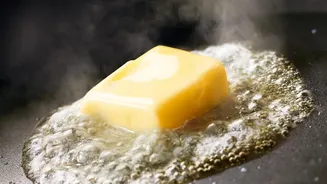
The primary reason for ghee's comeback is science: its high smoke point. Ghee can be heated to around 250°C (482°F) before it begins to smoke and break down. This is significantly higher than butter, which starts to burn at just 175°C, and also surpasses many common cooking oils like unrefined sunflower and extra virgin olive oil. When an oil is heated past its smoke point, it not only develops a bitter taste but also starts producing harmful free radicals. Because Indian cooking frequently involves high-heat methods like tadka (tempering), deep-frying pakoras and puris, or searing ingredients in a kadai, using a stable fat is crucial for both taste and safety. Ghee’s stability means it doesn’t degrade easily, making it a much safer and more reliable choice for these high-temperature techniques.
The Art of Infusion: Flavour Meets Function
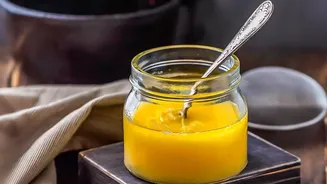
The trend goes beyond plain ghee to embrace infused varieties, a practice rooted in Ayurveda. Infusing ghee involves gently heating it with spices, herbs, or other aromatics. This process serves two purposes. First, it imparts complex, delicious flavours into the fat, elevating any dish it's added to. Imagine the aroma of garlic, curry leaves, or toasted cumin seeds permeating your ghee. Second, according to Ayurvedic tradition, ghee acts as a powerful carrier (anupana), helping the body absorb the medicinal properties of the herbs and spices infused within it. For example, adding turmeric boosts anti-inflammatory benefits, while spices like cumin and ginger can aid digestion. This transforms a simple cooking fat into a functional food that enhances both flavour and wellness.
How to Make Your Own Infused Ghee
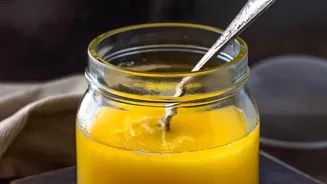
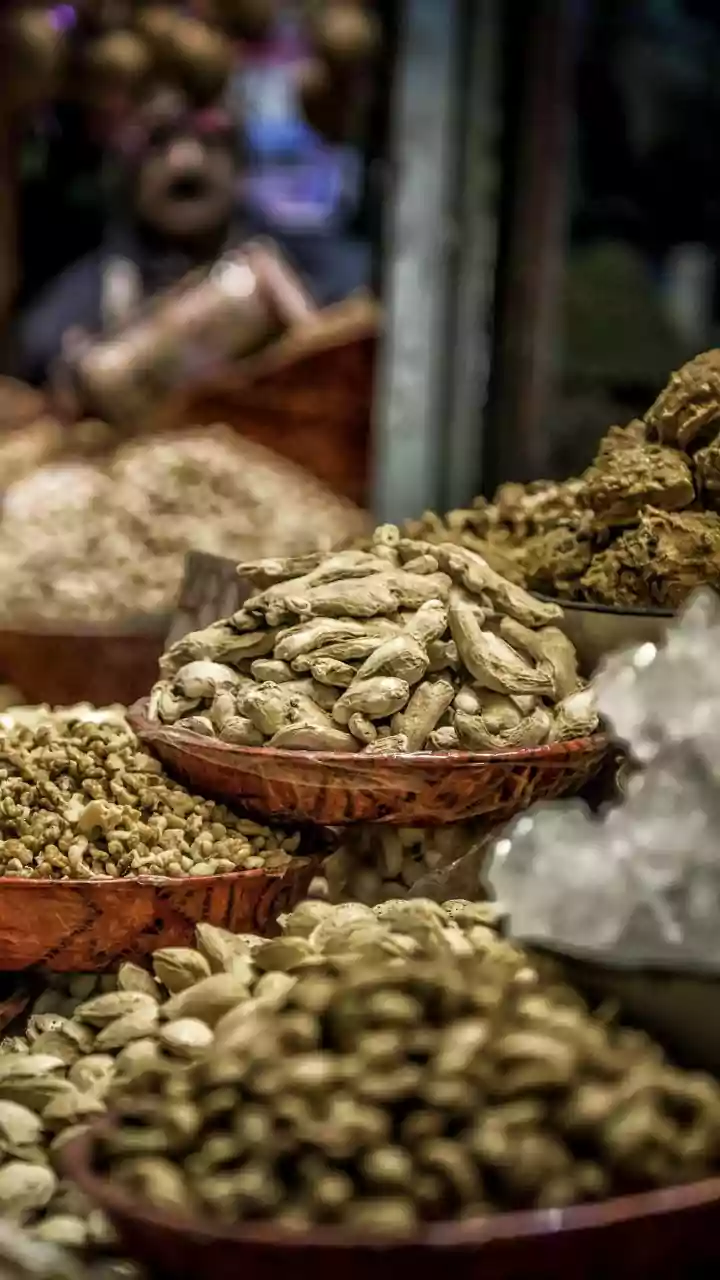
Making infused ghee at home is surprisingly simple. You can start with store-bought ghee or make your own by slowly simmering unsalted butter until the milk solids separate and brown, then straining the clear liquid. To infuse, gently warm your ghee in a heavy-bottomed pan over a very low flame; you do not want it to bubble or smoke. Add your chosen aromatics. For a classic tadka flavour, try cumin seeds, black peppercorns, and dried red chillies. For a fragrant, pungent kick, add smashed garlic cloves or sliced ginger. Herbal infusions with rosemary or thyme also work beautifully. Let the ingredients steep in the warm ghee for 10 to 20 minutes, allowing the flavours to meld without burning the spices. Once fragrant, turn off the heat, let it cool slightly, and strain it into a clean, dry glass jar. It can be stored at room temperature for weeks.
Beyond the Tadka: Using Your Ghee
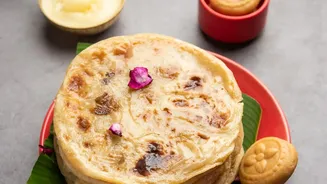
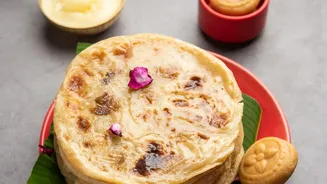
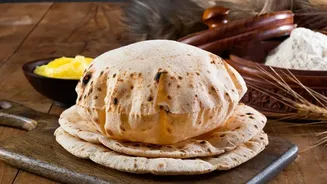
While infused ghee is perfect for tempering dals and curries, its use extends far beyond that. A spoonful of garlic-infused ghee can be drizzled over hot parathas or naan for an instant flavour upgrade. Use a herb-infused version to roast vegetables, giving them a rich, nutty, and aromatic crust. You can also add it to steamed rice or khichdi to make a simple meal feel luxurious. Spiced ghee can be used to sauté vegetables, scramble eggs, or even as a finishing touch on soups and stews. Experimenting with different infusions opens up a world of culinary possibilities, allowing you to customize flavours and add a personal touch to your everyday cooking.