


The Soul of Konkani Flavour
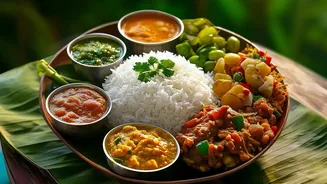
Konkani vegetarian cooking is a direct reflection of its geography. With the Arabian Sea on one side and the lush Western Ghats on the other, the cuisine is built upon ingredients that are found in abundance: coconuts, rice, and a host of unique vegetables
and fruits. Unlike many other Indian cuisines known for their fiery heat, the hallmark of Konkani food is its delicate balance. The goal is not to overpower with spice but to create a harmonious blend of flavours—tangy, sweet, and savoury—making it exceptionally suited for comforting family meals that can be enjoyed by everyone, including children.
The Essential Trio: Coconut, Kokum, and Jaggery
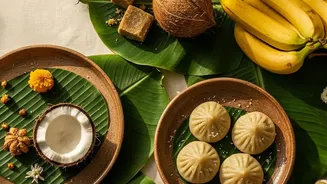
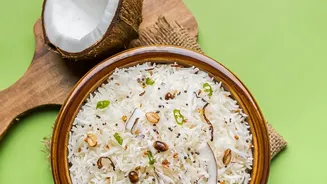
At the heart of Konkani vegetarian cooking are three key ingredients that define its character. Coconut is the foundation, used in various forms—freshly grated, as milk, or as oil for tempering—providing a creamy texture and a subtle sweetness that tempers the spices. Kokum, a sour fruit from the mangosteen family, provides a unique tangy flavour that is less harsh than tamarind, lending a distinctive pinkish hue to many dishes. To round out the sourness, a touch of jaggery is often added, introducing a gentle sweetness that creates a perfectly balanced taste profile, a signature of the region's cooking.
A Symphony of Subtle Spices
While Konkani food does use spices, it does so with restraint. The regional spice blends, like Goda Masala, are aromatic rather than intensely hot. Common spices include mustard seeds, cumin, coriander, turmeric, and black pepper. A special mention goes to 'teppal' or tirphal, a regional variety of Sichuan pepper, which imparts a unique woody aroma and a tingling sensation without the burn of chillies. This thoughtful approach to seasoning ensures that the natural flavours of the vegetables shine through, making the dishes flavourful yet mild.
Valval: The Gentle Vegetable Stew
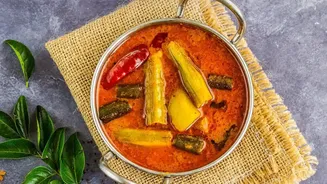
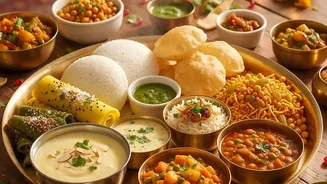
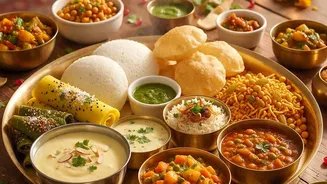
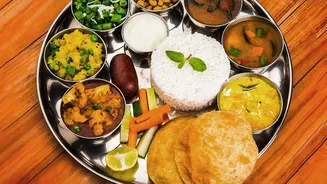
A perfect example of a simple Konkani family supper dish is Valval. It's a mild, creamy vegetable stew cooked in coconut milk. Valval typically includes a mix of seasonal vegetables like pumpkin, ivy gourd, sweet potatoes, and beans. The dish is seasoned very simply, often with just green chillies, cumin seeds, and a final tempering in coconut oil or ghee. With no overpowering masalas, Valval is nutritious, comforting, and a testament to how simple ingredients can create a deeply satisfying meal. It is often prepared for festivals and special occasions because it is a no-onion, no-garlic recipe.
Solkadhi: The Cooling Counterpoint
No Konkani meal is complete without Solkadhi, a quintessential digestive drink. This beautiful, pale pink beverage is made from coconut milk and kokum, perfectly embodying the cuisine's core flavours. Often lightly spiced with green chilli, ginger, or garlic, Solkadhi is served alongside or after the meal. Its primary role is to cool the palate and aid digestion, acting as a perfect counterpoint to the richness of the meal. It’s a refreshing, healthy, and integral part of the coastal dining experience.
Bringing Konkan to Your Kitchen
Embracing Konkan vegetarian flavours at home is surprisingly simple. Start with an 'upkari' or 'foogath', which is a simple stir-fry of vegetables like cabbage or beans, tempered with mustard seeds and curry leaves, and finished with a generous amount of fresh grated coconut. Another easy entry point is a basic dal, like Dalitoy, which is a simple lentil dish seasoned with asafoetical and green chillies. These dishes require minimal ingredients but deliver the authentic, balanced taste of the coast, making for a quick and wholesome weeknight dinner.