




A New Kind of Wildlife Adventure
For generations, wildlife appreciation in India has largely been a daytime activity. We visit zoos and national parks under the bright sun, often seeing animals at their most restful. A night safari flips this concept entirely. It focuses on the world
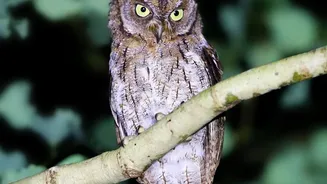
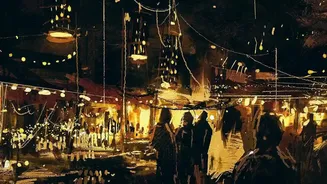
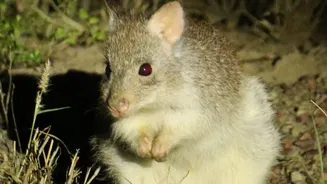
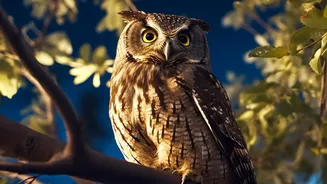
of nocturnal creatures, from majestic big cats on the prowl to elusive, smaller animals that only come alive after sunset. This isn't just about seeing animals in the dark; it's about experiencing their world as they do. The concept, popularised by Singapore's world-renowned Night Safari, uses carefully simulated moonlight and sound-dampened transport to allow visitors a glimpse into this active, after-hours ecosystem with minimal disturbance to the animals.
Inside the Lucknow Project
The heart of this pioneering venture is Lucknow's Kukrail Reserve Forest. After years of planning and environmental scrutiny, the Supreme Court recently gave the green light for the project to proceed within this ecologically sensitive area. The government of Uttar Pradesh is developing India’s first night safari here, inspired directly by the successful Singapore model. Spread over a significant portion of the reserve, the project carries a substantial budget of over ₹1,500 crore, signaling its scale and importance. It represents a major push to blend eco-tourism with urban development, creating a world-class attraction on the city’s doorstep.
What Visitors Can Expect
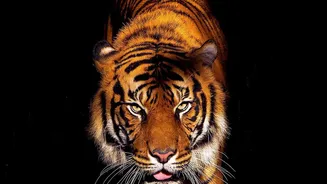
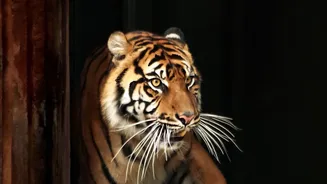
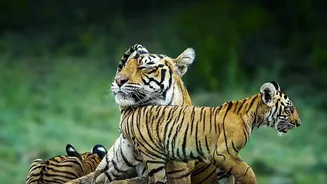
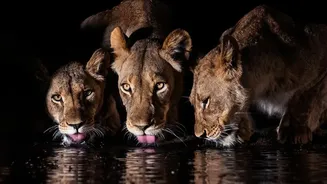
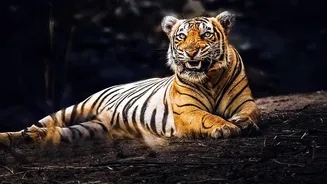
The experience is being designed to be both thrilling and educational. The centrepiece will be a 40-minute guided tour on specially designed, quiet electric trams. These vehicles will move through different themed zones—like African savanna and Indian wetlands—under subtle, simulated moonlight designed to make animals visible without startling them. Instead of traditional cages, the park will use naturalistic barriers like moats and specially designed glass to create an immersive feel. The planned wildlife includes iconic species such as Asiatic lions, Bengal tigers, leopards, and bears, alongside dozens of other nocturnal animals. The goal is to provide a unique window into the behaviour of species rarely seen in their active state during the day.
More Than Just a Tourist Spot
Beyond the visitor experience, the Kukrail project is deeply rooted in conservation and education. The site is already home to a renowned gharial breeding and rehabilitation centre, a legacy that will be protected and integrated into the new development. The project aims to become a major centre for conservation awareness, showing a large urban population the importance of preserving nocturnal habitats and species. Initially, there were plans to relocate the century-old Nawab Wajid Ali Shah Zoological Garden to Kukrail, but this was rejected by regulatory committees to protect the existing zoo's role as a green lung in the city centre and to avoid felling a large number of trees. The project will now feature its own day zoo alongside the night safari.
The Road Ahead
With the final legal hurdles cleared in mid-2026, construction is set to move forward. The first phase is expected to take approximately two years to complete, making a potential opening sometime in 2028 a realistic target. The Supreme Court’s approval came with strict conditions, mandating compliance with environmental safeguards and ongoing monitoring. This ensures a balance between development and the preservation of the Kukrail forest's ecology. While Greater Noida and Bengaluru have also proposed similar projects, Lucknow’s is the first to advance to this stage, positioning it to set the benchmark for urban wildlife tourism in India. Its success could indeed redefine how Indians engage with wildlife, proving that conservation and captivating visitor experiences can coexist right where most people live.