

Understanding Sawan Fasting Foods
Sawan fasting, or 'vrat', follows a sattvic diet—simple, pure foods that are light on the stomach and calming for the mind. This typically means avoiding regular grains like wheat and rice, lentils, onions, garlic, and processed table salt. Instead, the pantry
shifts to a special set of ingredients. These include 'vrat' flours like kuttu (buckwheat), singhara (water chestnut), and rajgira (amaranth). Sabudana (tapioca pearls), samak rice (barnyard millet), fruits, milk products, and certain vegetables like potatoes and bottle gourd become staples. Seasoning is done with sendha namak (rock salt), cumin, and black pepper. This way of eating is not just spiritual; it also aligns with Ayurvedic principles that suggest a lighter diet is easier on digestion during the humid monsoon season.
Sabudana Khichdi: The Go-To Comfort Meal
Sabudana Khichdi is perhaps the most popular fasting dish across India for a reason. Made from soaked tapioca pearls, it provides a quick source of carbohydrates for instant energy. However, sabudana on its own is mainly starch. To make it a balanced meal, it's essential to add other elements. The classic preparation involves sautéing the translucent pearls with boiled potato cubes, but the key to making it nutritious is the generous addition of roasted peanuts. Peanuts provide much-needed protein and healthy fats, which help in sustaining energy levels and keeping you feeling full for longer. A final garnish of fresh coriander and a squeeze of lemon juice not only adds flavour but also a touch of freshness.
Kuttu Ki Puri with Aloo Sabzi: The Hearty Classic
For a more substantial meal, especially after a long day of fasting, the combination of Kuttu ki Puri and Aloo ki Sabzi is a timeless favourite. Kuttu, or buckwheat flour, is a gluten-free pseudo-grain that is packed with nutrients. Unlike refined flours, it's a good source of protein and fibre. When made into puris and paired with a simple potato curry cooked in ghee with cumin and green chillies, it becomes a wholesome and satisfying dinner. The potatoes offer carbohydrates for energy, while the kuttu flour ensures the meal is more grounding and nutritionally dense than simpler options.
Samak Rice Pulao: The Lighter Alternative
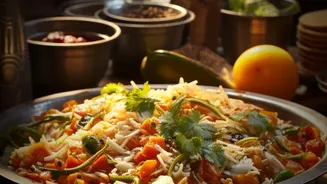
Samak rice, also known as barnyard millet, is an excellent substitute for regular rice during Sawan fasts. It's incredibly light on the digestive system and cooks quickly. Turning it into a vegetable pulao is a fantastic way to create a balanced one-pot meal. You can load it with vrat-friendly vegetables like diced potatoes, tomatoes, and bottle gourd. Cooking it in ghee with mild spices like cumin and black pepper adds flavour. For a protein boost, this pulao can be served with a side of plain curd or a simple paneer curry, making the meal complete and nourishing.
Paneer and Makhana: The Protein Powerhouses
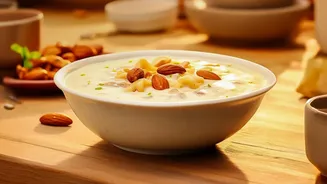
Maintaining protein intake is crucial during fasting to prevent fatigue and muscle loss. Paneer (cottage cheese) and makhana (fox nuts) are two excellent vrat-friendly sources of protein. You can make simple paneer tikkis by mashing paneer with boiled potatoes, adding rock salt and spices, and pan-frying them in ghee. Makhana can be dry-roasted for a crunchy, low-calorie snack that is rich in protein and calcium. For a sweet and comforting meal, makhana kheer, made by simmering roasted fox nuts in milk with a little cardamom and nuts, is both delicious and nutritious.
Fruit and Nut Chaat: For Hydration and Energy
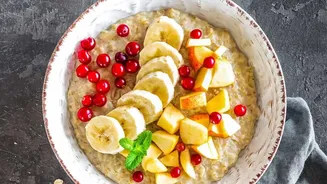
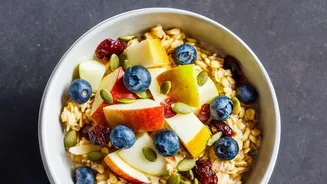
Fruits are a cornerstone of any fasting diet, providing natural sugars for energy, essential vitamins, and hydration. You can elevate a simple bowl of fruit by turning it into a vibrant Fruit Chaat. Combine seasonal fruits like apples, bananas, and pomegranate seeds. Add a sprinkle of sendha namak and roasted cumin powder for a savoury twist. To make it more balanced and filling, toss in a handful of nuts like almonds and walnuts, along with some dates for extra energy. This chaat works wonderfully as a light breakfast or an evening snack.