



Hanle, Ladakh: India's Official Dark Sky Sanctuary
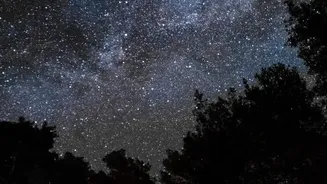
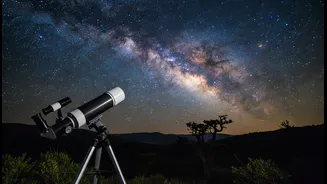
For the ultimate stargazing experience, look no further than Hanle in Ladakh. Designated as India's first official Dark Sky Reserve, this remote high-altitude region offers some of the clearest and darkest skies on the planet. Located in the Changthang
Wildlife Sanctuary at an elevation of about 4,500 metres, Hanle is home to the Indian Astronomical Observatory for a reason: its thin, dry air and over 250 clear nights a year provide perfect conditions for looking into space. Visitors can expect to see the Milky Way stretching across the sky with breathtaking clarity, often visible to the naked eye. Local communities have been trained as astronomy guides, offering tours with high-powered telescopes, making this a science-driven ecotourism hub. The journey from Leh is long, typically 8-10 hours, and requires permits, but the celestial reward is unparalleled.
Spiti Valley, Himachal Pradesh: A High-Altitude Desert Canvas
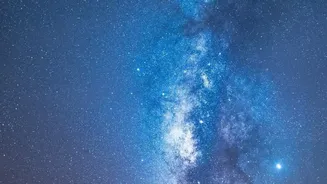
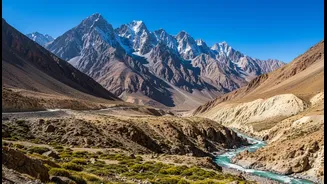
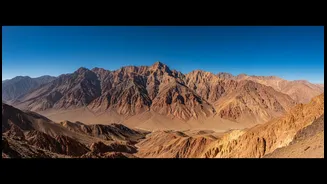
Spiti Valley is a cold desert mountain valley that transforms into a natural observatory after sunset. Its high altitude, remote location, and sparse population mean there is virtually no light pollution to spoil the view. Villages like Kaza, Kibber, and Langza offer phenomenal vantage points for watching meteor showers and constellations. The dry climate ensures clear skies for most of the year, with the best stargazing opportunities available from May to October. The sight of the Milky Way arching over ancient monasteries or the pristine Chandratal Lake is an unforgettable experience for any traveller or astrophotographer. The combination of profound silence and an infinitely starry sky makes Spiti a deeply moving destination.
Rann of Kutch, Gujarat: Stars Over an Endless Salt Horizon
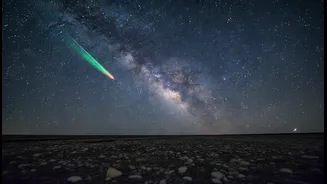
The Great Rann of Kutch offers a stargazing experience unlike any other. This vast salt marsh provides a flat, unobstructed horizon, creating a 180-degree panoramic view of the night sky. The sheer darkness of the desert, far from major cities, allows even faint stars to shine brightly. During the Rann Utsav festival, which runs from November to February, the clear winter skies are at their best. On moonless nights, the brilliant stars reflect on the white salt flats, creating a surreal and magical landscape. Popular spots include the Dhordo region and Kala Dungar (Black Hill), which offers an elevated perspective over the sprawling desert. Many desert camps offer guided astronomy sessions and telescopes to enhance the experience.
Coorg, Karnataka: A Southern Sojourn into Darkness
For those in South India, Coorg (Kodagu) provides an accessible escape to darker skies. Nestled in the Western Ghats, the region's coffee and spice plantations offer pockets of darkness away from city lights. Areas in southern Coorg, particularly near the Brahmagiri Wildlife Sanctuary, boast some of the darkest skies in the region, with a Bortle 2 rating on the darkness scale. The high altitude and clean air, especially from November to May, make for excellent viewing conditions. Treks to peaks like Tadiandamol can reward you with stunning celestial views. Several homestays, resorts, and even dedicated observatories now offer stargazing sessions with powerful telescopes, making it a great destination for both casual observers and serious enthusiasts.
Neil Island, Andaman: Coastal Cosmos in Paradise
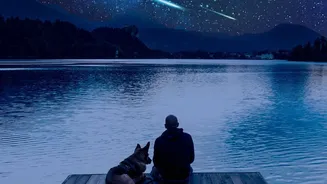
Stargazing from a tropical beach is a uniquely serene experience, and Neil Island (Shaheed Dweep) in the Andamans is the perfect place for it. As a smaller, less commercialised island, it has minimal light pollution, allowing the night sky to shine in its full glory. Open beaches like Laxmanpur provide wide, unobstructed views over the sea. The best time to visit for clear skies is between November and April. The sound of the waves paired with a sky full of stars creates a meditative and romantic atmosphere. It’s an ideal spot for night photography, where you can capture the Milky Way arching over the tranquil ocean. Many operators offer guided stargazing walks, sometimes with telescopes, to help you identify constellations.