



A Hunger for Authenticity
In cities like Mumbai, Bengaluru, and Delhi, a generation of foodies is growing tired of generic, mass-produced meals. Having grown up with globalised menus, their palates are now seeking flavors that tell a story. This has sparked a renewed interest
in India's own diverse culinary heritage, specifically the often-overlooked cuisines of its tribal communities. These young, urban consumers are adventurous, culturally curious, and increasingly driven by a desire for food that feels genuine. They aren’t just ordering dinner; they are seeking an experience that connects them to a different part of the country’s identity, one plate at a time. This quest for authenticity has paved the way for a new wave of food entrepreneurs.
The Rise of the Micro-Cloud Kitchen
Facilitating this trend is the evolution of the cloud kitchen model. While large, multi-brand ghost kitchens have become a major force in the food delivery market, a more grassroots version is emerging: the micro-cloud kitchen. These are often small, independent operations, sometimes run by a single chef or family out of a modest commercial space. By ditching the expensive overheads of a traditional restaurant—like rent for a prime location and front-of-house staff—these micro-kitchens can focus on niche culinary concepts. This lean model democratises food entrepreneurship, allowing passionate cooks with unique recipes, but limited capital, to reach a wide audience through delivery apps and social media.
What’s on the Tribal Menu?
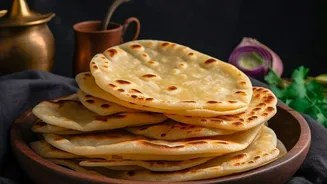
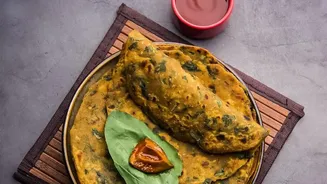
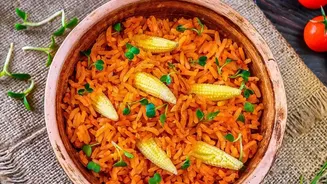
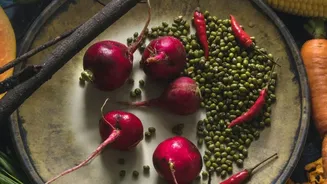
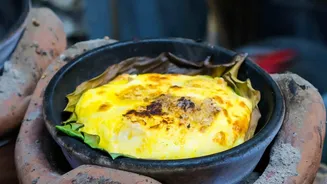
So, what exactly is tribal cooking? It’s a vast and varied world of flavours shaped by landscape and tradition. From the smoked pork and bamboo shoot preparations of Nagaland to the foraged greens and flower-based dishes of Jharkhand, these cuisines offer a stark contrast to mainstream restaurant fare. Ingredients might include things like mahua flowers, red ants, wild mushrooms, and indigenous grains like red rice. Cooking techniques often emphasise slow cooking, fermenting, and roasting, creating complex flavours without heavy oils and spices. For metro diners, these dishes—like Jirhul phool chokha (mashed potato with jirhul flowers) or patta roti (bread made with foraged greens)—are a gateway to a whole new culinary vocabulary.
Eating with a Conscience
The 'eco-friendly' aspect of the headline is not just a buzzword; it's central to the appeal. Tribal food systems are often inherently sustainable. They rely on seasonal, locally sourced, and foraged ingredients, which means a lower carbon footprint and a celebration of biodiversity. This aligns perfectly with the values of a growing number of young consumers who are more conscious about the environmental impact of their choices. These diners are not just interested in how their food tastes, but also where it comes from. The micro-kitchens championing these cuisines often double down on this ethos, using biodegradable packaging and building direct relationships with farmers and foragers, creating a transparent and sustainable value chain.
Where Tradition Meets Technology
This movement is a fascinating blend of the ancient and the hyper-modern. The recipes may be centuries old, but their delivery mechanism is pure 21st century. Chefs and entrepreneurs use Instagram and WhatsApp to tell stories, showcase their unique ingredients, and build a community around their brand. They connect with customers directly, often sharing the cultural context behind a dish, making the transaction feel personal and meaningful. Meanwhile, food delivery platforms provide the logistical backbone, allowing a small kitchen in a quiet neighbourhood to serve customers across the city. It’s this seamless integration of technology and tradition that makes the trend not just possible, but powerful.