


India's forests come alive in winter with a unique magic. The cool, crisp air and misty mornings create the perfect backdrop for an unforgettable adventure: spotting the country's most iconic wildlife, from majestic tigers to rare rhinos.
Why Winter is Prime Time
The winter season,
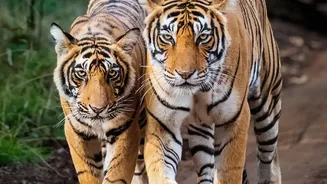
generally stretching from November to February, is widely considered the best time for wildlife safaris in India. The weather is cool and pleasant, making the long hours in an open-air jeep comfortable and enjoyable. After the monsoons, the vegetation is less dense, and the morning mist creates breathtaking landscapes. More importantly, many animals, including the elusive Bengal tiger, are often found basking in the winter sun, which can increase the chances of a memorable sighting. It's an ideal season for families, photographers, and first-time safari-goers alike.
Ranthambore National Park, Rajasthan
For many, Ranthambore is the quintessential tiger-spotting destination. Set against the backdrop of a formidable ancient fort, the park's landscape of rocky hills and dry deciduous forests offers a dramatic setting for a safari. Winter days are moderate, and tigers are frequently seen lounging in the sun or strolling near the park's famous lakes. Beyond tigers, Ranthambore is home to leopards, sloth bears, sambar deer, and a rich variety of birdlife. The combination of history and wildlife is unique. Due to its popularity, especially during the peak winter months of December and January, it is crucial to book safari permits well in advance.
Kaziranga National Park, Assam
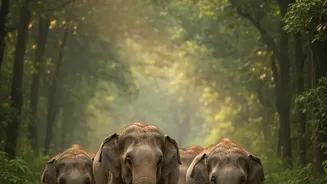
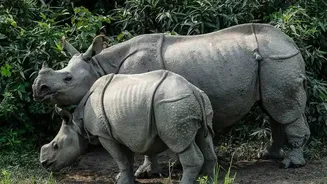
If seeing the greater one-horned rhinoceros is your goal, there is no better place than Kaziranga National Park, a UNESCO World Heritage Site. This park in Assam is home to over two-thirds of the world's population of this magnificent creature. In winter, the floodwaters from the monsoon recede, and the tall elephant grass is either shorter or has been burned in controlled patches, dramatically improving visibility. Rhinos, wild water buffalo, swamp deer, and herds of elephants congregate around the remaining water bodies, making for spectacular viewing. The park also boasts one of the highest tiger densities in India, though the rhinos are undoubtedly the main attraction. The park is generally open from November to April, making winter the primary and most practical season for a visit.
Jim Corbett National Park, Uttarakhand
As India's oldest national park, Jim Corbett offers a rich tapestry of landscapes, from dense sal forests and grasslands to riverine belts along the Ramganga River. This diversity supports a wide array of wildlife, including a healthy population of Bengal tigers and Asian elephants. Winter is an excellent time for a visit, with pleasant daytime temperatures and all safari zones, including the famed Dhikala and Bijrani zones, fully accessible. While the dense foliage can sometimes make spotting tigers a rewarding challenge, the overall experience of the forest is exceptional. Winter is also peak season for birdwatching, with many migratory species making the park their temporary home.
Bandhavgarh National Park, Madhya Pradesh
For those serious about tiger sightings, Bandhavgarh National Park in Madhya Pradesh is a top contender. It is known for having one of the highest tiger densities in India, significantly increasing the odds of an encounter. The park's core area is relatively small and well-managed, making safaris here very effective. Like other parks, winter provides comfortable weather, and the reduced foliage post-monsoon aids visibility. The park is divided into several zones, with Tala and Magadhi being popular choices for tiger tracking. Besides tigers, visitors can also spot leopards, deer, and a variety of other mammals and birds, all within a landscape that includes ancient man-made caves and a historic fort.