



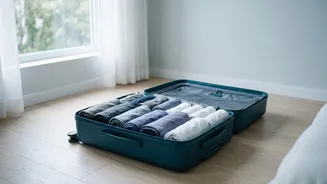
Why Rolling Reigns Supreme
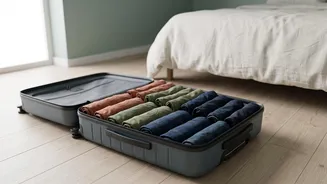
The great packing debate has long been dominated by two camps: folding versus rolling. While folding has its place, rolling is a game-changer for maximizing carry-on space. The technique works by compressing clothes into tight, uniform cylinders, squeezing
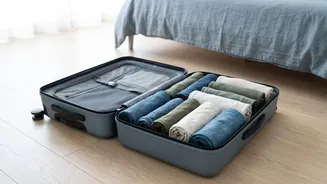
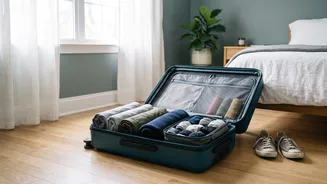
out the air that gets trapped between folded layers. This transforms your suitcase from a messy pile into a well-organized grid. Rolled items can be packed vertically, allowing you to see your entire wardrobe at a glance without disturbing other items. This method not only saves precious space but also significantly reduces the hard creases that folding can create, meaning your clothes arrive looking less tired.
Mastering the Basic Roll
The standard roll is perfect for beginners and works wonders on t-shirts, shorts, and casual pants. Start by laying the garment on a flat surface and smoothing out any wrinkles. For a t-shirt, fold the sleeves in to create a neat rectangle. For pants, fold one leg over the other. Then, starting from the end opposite the waistband or collar, roll as tightly as possible. The key is to maintain consistent pressure to create a compact, firm bundle. This simple action turns your clothes into small, manageable logs that can be tucked into any available nook in your bag.
Level Up: The Ranger Roll
For ultimate space-saving, the 'Ranger Roll' or 'Army Roll' is an advanced technique that creates an even more compact and secure bundle that won't unravel. To start, lay your t-shirt flat and fold the bottom hem inside-out by about two to three inches, creating a 'lip' or 'pouch'. Next, fold the sides of the shirt inward to form a narrow column. Then, starting from the collar, roll the shirt down as tightly as you can. When you reach the end, take the inside-out lip you created at the beginning and pull it over the entire roll, securing it like a pillowcase. This creates a self-contained pouch that is incredibly compact and stays put, no matter how much your bag gets jostled. This method is also great for bundling an entire day's outfit—like a shirt, underwear, and socks—into one grab-and-go roll.
Know When to Fold 'Em
While rolling is revolutionary, it's not a one-size-fits-all solution. The smartest packers use a hybrid approach. Bulky items like thick wool sweaters, structured blazers, and dress shirts often travel better when folded. Rolling these items can create a bundle that is actually larger and more prone to wrinkling. Delicate fabrics such as silk or linen also benefit from careful folding to maintain their shape. A good rule of thumb is to roll your casual and lightweight items—like tees, activewear, and knits—and fold the more structured or delicate pieces. These folded items can then be laid flat on top of your rolled clothes or placed in a separate packing cube.
The Ultimate Pairing: Rolling and Packing Cubes
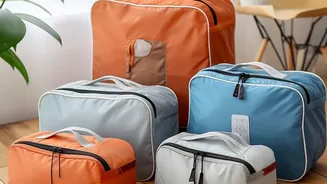
Combining rolled clothes with packing cubes is the secret to next-level organization. Packing cubes are small, zippered bags that compartmentalize your suitcase, and they work exceptionally well with rolled garments. By grouping similar rolled items together—for example, all your tops in one cube and bottoms in another—you create modular blocks that fit neatly into your carry-on. This system not only keeps everything compressed and organized but also makes unpacking a breeze. Simply pull out the cube you need without disrupting the rest of your luggage. You can also use one cube for clean clothes and another for dirty laundry as your trip progresses.