




The Illusion of Modern Convenience
We've all been there. You rush through security only to find yourself in a retail labyrinth, with food courts located far from your gate. The path is predetermined, designed to maximize spending by creating a single, universal flow. This one-size-fits-all
approach is the core of the problem. Airports and their commercial partners assume every traveller has the same amount of dwell time, the same interests, and the same budget. They assume a business traveller needs the same experience as a family of four, or a solo backpacker. While passenger volumes are recovering post-pandemic, non-aeronautical revenues in some areas haven't kept pace, suggesting a disconnect between what is offered and what is valued. This model, built on broad assumptions, is failing the diverse needs of the modern passenger.
Why Assumption Fails the Modern Traveller
Today’s travellers are not a monolith. A business executive might value speed above all, willing to pay for a biometric-enabled, frictionless journey from curb to gate. A family with young children needs play areas and affordable, quick meal options. A budget-conscious student might prefer to bring their own food and simply find a quiet place to charge their phone. By designing a single path, airports create friction. They force the time-crunched passenger to navigate a maze of perfume stores and the leisure traveller into crowded, generic food courts with limited local flavour. According to a global traveller survey by Airports Council International (ACI), passengers are increasingly seeking human-centred, personalised, and memorable experiences that reduce anxiety and enhance comfort. Assuming everyone wants an upscale shopping experience or a gourmet meal is a costly mistake.
The Power of Personalised Choice
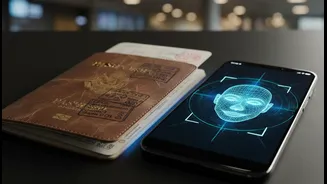
The antidote to assumption is choice, powered by technology. The future of airport convenience lies in letting passengers curate their own journey. Imagine an airport app that allows you to pre-book a security slot, order food from a restaurant in a different concourse for delivery to your gate, and reserve a spot in a quiet zone or a small, pay-per-use work pod. This isn't science fiction; the technology exists and is being implemented in various forms. Biometric solutions are already streamlining check-in and security, with traveller willingness to use them climbing to 72% in 2025. The key is integrating these options into a single, seamless digital ecosystem. This allows airports to move from a reactive model to a proactive one, offering relevant services at the right moment, which not only improves satisfaction but also drives smarter business.
A Smarter Business Model
Offering choice isn't just a customer service initiative; it's a superior business strategy. Data shows that a 1% increase in passenger satisfaction can lead to a 1.5% increase in non-aeronautical revenue. Relaxed, happy passengers who feel in control of their journey are more likely to spend time and money on amenities they actually want. Furthermore, the data gathered from these choices is invaluable. By understanding passenger preferences and behaviours in real-time, airports can optimise everything from staff allocation and inventory management to gate assignments and crowd control. This data-driven approach allows airports to create a more resilient and efficient ecosystem, benefiting airlines, concessionaires, and passengers alike. It allows them to feature local brands and food, creating a stronger sense of place which travellers increasingly value.