







Understanding Modern Burnout
Burnout is more than simply feeling tired; it's a state of physical, mental, and emotional exhaustion caused by prolonged stress. The World Health Organization recognizes it as a syndrome tied to chronic workplace stress that hasn't been successfully
managed. Its symptoms often include a sense of detachment or cynicism, reduced productivity, difficulty concentrating, and even physical issues like headaches and poor sleep. In our fast-paced world, many people find themselves in a state of constant activation, where demands outweigh their capacity to cope, leading the brain to shift from hyperactivity into total disengagement and exhaustion.
How Mindful Yoga Offers a Solution
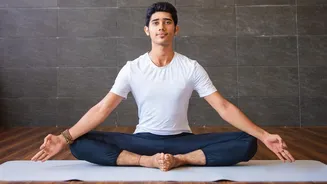
Unlike a high-intensity workout, mindful yoga combines physical postures with deliberate breathing exercises and focused awareness. This practice is not just about stretching; it's a form of moving meditation that encourages you to pay attention to your body's sensations, your breath, and your thoughts without judgment. Research shows that this unique combination helps regulate the body's stress response. It activates the parasympathetic nervous system—our 'rest and digest' mode—which helps lower levels of the stress hormone cortisol and counteracts the 'fight-or-flight' state that burnout keeps us trapped in.
Rebuilding Your Emotional Strength
Emotional exhaustion is a core component of burnout, leaving you feeling irritable, numb, or unable to cope. Yoga helps build emotional resilience by strengthening your awareness of internal bodily sensations, a skill known as interoception. By noticing tightness or agitation as it arises during your practice, you learn to respond with conscious breaths rather than react impulsively. Specific breathing techniques, known as pranayama, are key to managing emotions by directly influencing the nervous system. Over time, this practice helps you observe your feelings without being overwhelmed, fostering a sense of inner stability and calm.
Sharpening Your Depleted Focus
One of the most frustrating symptoms of burnout is the inability to concentrate. Mindful yoga directly trains your attention. By anchoring your focus on the rhythm of your breath and the physical sensations of each pose, you gently pull your mind away from anxious, repetitive thoughts. This practice of repeatedly bringing your focus back to the present moment acts like a workout for your brain's attention centers. Regular practice has been shown to improve mental clarity and concentration, helping to reverse the cognitive fog that often accompanies chronic stress and exhaustion.
How to Start Your Daily Practice
Starting a mindful yoga routine doesn't need to be intimidating. Consistency is more important than duration, so even 15-20 minutes a day can make a significant difference. Begin by finding a quiet space where you won't be disturbed. Focus on simple, restorative poses. The Child's Pose is excellent for calming the mind and releasing tension, while the Cat-Cow flow gently mobilizes the spine. Move slowly, coordinating each movement with your breath. Instead of striving for perfection, simply pay attention to how your body feels. This compassionate, non-judgmental approach is the essence of a mindful practice that can guide you back toward balance.