






The Post-Festival Digestive Slump
After days of indulging in rich, fried, and sugary treats, it's common for our digestive system to feel overwhelmed. These festive foods are often low in fibre and high in fats and refined carbohydrates, which can slow down digestion, leading to that
heavy, bloated feeling. This sudden change from our regular diet can disrupt the delicate balance of bacteria in our gut, causing issues like constipation, gas, and general discomfort that can sap our energy. It’s your body’s way of signalling that it needs a gentle reset.
Why Fibre Is the Reset Button
Think of dietary fibre as your gut's cleanup crew. Found in plants, fibre is a type of carbohydrate that our bodies can't digest. It comes in two forms that work together: soluble and insoluble. Soluble fibre dissolves in water to form a gel-like substance, which can help slow down digestion, manage blood sugar levels, and lower bad cholesterol. Insoluble fibre does not dissolve; instead, it adds bulk to stool and helps move waste through your system, preventing constipation. A diet rich in both types of fibre is crucial for a healthy and efficient digestive system.
Start Slow to Avoid Discomfort
While it might be tempting to flood your system with high-fibre foods immediately, it's best to take a gradual approach. Suddenly increasing your fibre intake can sometimes lead to more gas and bloating as your gut adjusts. Start by reintroducing one high-fibre food at a time. For example, swap white bread for a wholemeal variety, or add a small serving of dal or a vegetable sabzi to your meal. This allows the bacteria in your gut time to adapt, ensuring a smooth and comfortable transition back to a balanced diet.
Your Pantry's Fibre Powerhouses
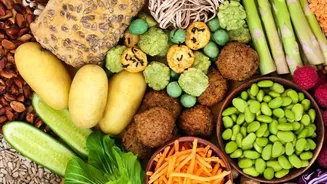
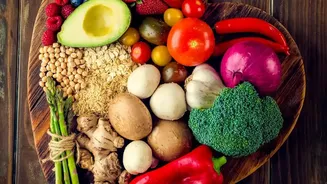
The best part about increasing fibre is that many of the most effective foods are already staples in Indian kitchens. Pulses and legumes like moong dal, chana, and rajma are excellent sources of both fibre and protein. Millets such as jowar, bajra, and ragi are fibre-packed grains that can be used to make rotis or khichdi. Don't forget seasonal vegetables like bhindi (okra), lauki (bottle gourd), and leafy greens like palak (spinach). Fruits such as papayas, guavas, apples, and bananas also contribute significantly to your daily fibre intake. Including a colourful variety of these foods ensures you get a diverse range of nutrients for optimal gut health.
The Supporting Acts: Water and Movement
Fibre can't do its job alone; it needs a partner, and that partner is water. Soluble fibre, in particular, absorbs water to create the soft gel that aids digestion. Without enough hydration, a high-fibre diet can actually worsen constipation. Aim to drink plenty of water throughout the day. Herbal teas like ginger or peppermint can also be soothing for the gut. Additionally, gentle movement, such as a brisk walk after meals, can help stimulate digestion and relieve that sluggish feeling. This combination of fibre, water, and light activity is a powerful trio for getting your digestive health back on track.