
A Success Story's New Chapter
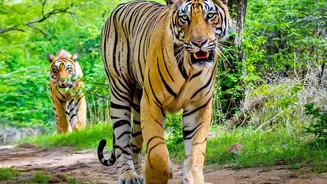
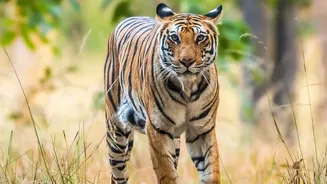
India is home to nearly 75% of the world's wild tigers, a testament to decades of dedicated conservation. The success of Project Tiger, launched in 1973, has led to a remarkable rebound, with the national population more than doubling since the early 1970s.
However, this victory has introduced a complex problem. Reserves like Corbett in Uttarakhand now have some of the highest tiger densities in the world, leading to increased territorial disputes among the big cats. With roughly 30% of India's tigers living outside protected reserves, the potential for human-wildlife conflict is rising. Furthermore, many tiger populations exist in isolated pockets, which can lead to inbreeding and a loss of genetic diversity over time, threatening their long-term survival.
More Than Just Moving Tigers
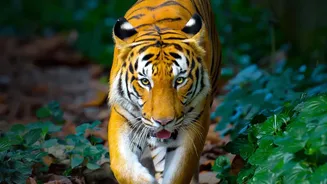
Relocating a tiger—a process known as translocation or reintroduction—is far more than simply moving an animal from one place to another. It is a meticulous, science-driven operation overseen by the National Tiger Conservation Authority (NTCA) and the Wildlife Institute of India (WII). Before any move, scientists conduct feasibility studies of the new habitat, assessing crucial factors like prey density—ensuring there's enough food like sambar and chital deer—and the area's capacity to support a new population. The selection of the tiger itself is equally rigorous. Preference is given to young, healthy animals (typically 2-3 years old) that have not yet established deep territorial roots, which minimizes the disruption to the source population and improves the chances of adaptation in the new home.
From Source to Sanctuary: A Tiger's Journey
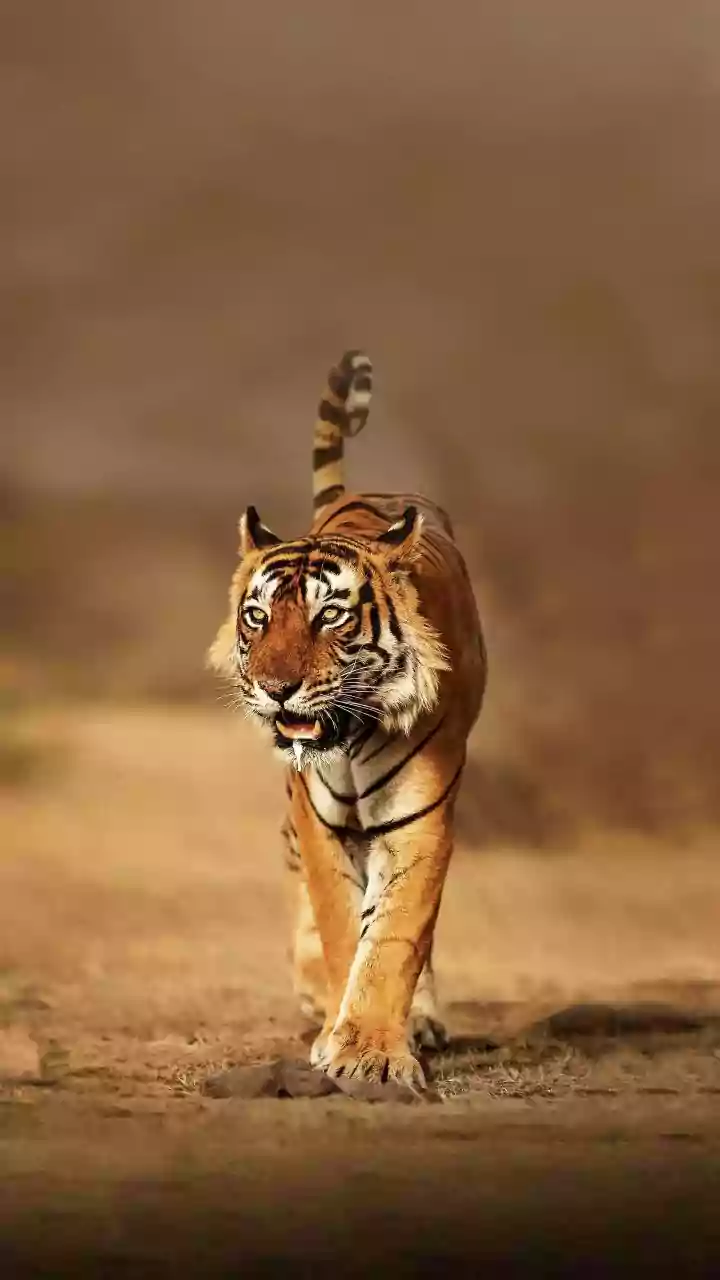
The journey begins with identifying a suitable tiger, often one in an area with high conflict risk or from a densely populated zone. A team of veterinarians and biologists then tranquilises the animal and conducts a thorough health check. Once cleared for travel, the tiger is fitted with a radio collar. This device is critical for post-release monitoring. The animal is transported in a specially designed cage to its new home. But it isn't released immediately. Most relocations employ a 'soft release' method, where the tiger is kept in a large, secure enclosure at the release site for several days. This allows the animal to acclimate to the new sights, sounds, and smells of its environment, reducing stress and the powerful instinct to return to its original territory.
Pioneering Success in Panna and Sariska
The effectiveness of this strategy is best seen in reserves that were once devoid of tigers. Sariska Tiger Reserve in Rajasthan, for example, lost its entire tiger population to poaching by 2004. In 2008, India launched its first-ever tiger reintroduction program, moving tigers from Ranthambore to Sariska. Similarly, Panna Tiger Reserve in Madhya Pradesh became 'tiger-less' in 2009. Through a careful translocation program, tigers were brought in from nearby reserves like Bandhavgarh and Kanha. Today, both Sariska and Panna have breeding tiger populations once again, standing as powerful symbols of conservation success. More recent projects include relocating tigers from the crowded Corbett reserve to the western part of Rajaji Tiger Reserve, which has already seen translocated tigresses giving birth to cubs.
Challenges and the Path Forward
Despite these successes, translocation is not a cure-all. It's a complex and resource-intensive tool. The failure of an early inter-state project in Odisha's Satkosia Tiger Reserve highlighted the critical importance of ensuring a sufficient prey base and securing the support of local communities. Conservationists caution that relocations must not become a substitute for the primary goal: protecting and restoring natural wildlife corridors that allow tigers to move between habitats on their own. These corridors are vital for maintaining genetic flow and preventing the very isolation that translocation aims to solve. As India's tiger population continues to stabilize, managing their distribution through science-led initiatives represents the next great challenge and opportunity in this incredible conservation story.