
Start with a Better Container
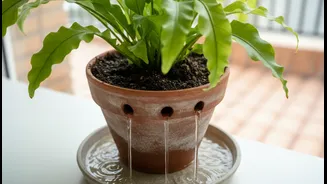
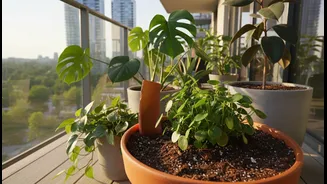
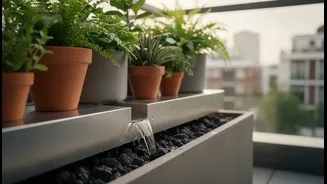
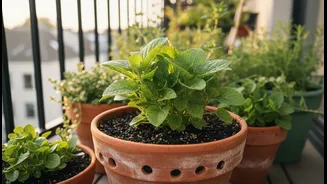
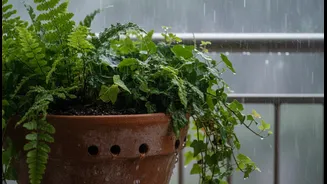
The foundation of good drainage is the pot itself. Always choose containers with multiple, adequately sized drainage holes. A single small hole can easily become clogged with soil or roots, trapping water. If you fall in love with a decorative pot that
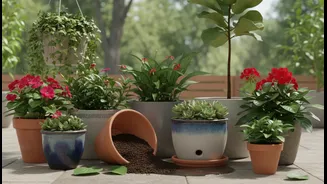
has no holes, don't plant directly into it. Instead, use it as a 'cachepot'—a decorative outer container. Place your plant in a simple plastic nursery pot with plenty of holes, and then set that inside the stylish one. After watering, simply lift the inner pot out to let all the excess water drain away completely before putting it back. Terracotta pots are also an excellent choice as the porous clay allows moisture to evaporate through the walls, helping the soil to dry out more evenly.
Debunking the Gravel Myth
For years, a common piece of advice was to add a layer of gravel or broken pottery to the bottom of pots to improve drainage. However, horticultural science has shown this is not only ineffective but can actually make things worse. Water does not move easily from fine-textured material (like potting soil) to a coarse-textured layer (like gravel). Instead of draining through, water tends to collect in the soil just above the gravel, creating a perched water table. This effectively raises the saturated zone, bringing it closer to your plant's delicate roots and increasing the risk of rot. Instead of adding filler, it is far better to use a quality potting mix throughout the entire container.
Elevate Your Pots for Airflow
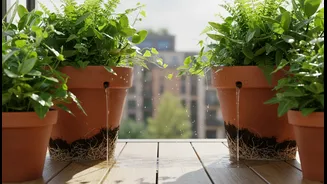
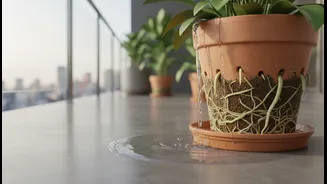
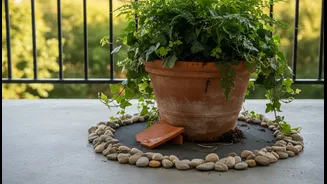
Even a pot with excellent drainage holes can become waterlogged if it sits flat on a solid surface like a concrete balcony or in a deep saucer. The seal created between the pot's base and the ground can prevent water from escaping effectively. A simple and crucial fix is to lift the pot slightly. You can use dedicated 'pot feet,' small blocks of wood, or even recycled bottle caps to elevate the container. This tiny gap creates space for water to flow out freely and allows for better air circulation around the base, which aids in drying the soil. Always be sure to empty any water that collects in saucers within about 30 minutes of watering, as sitting water will be reabsorbed into the soil.
Improve Your Potting Mix
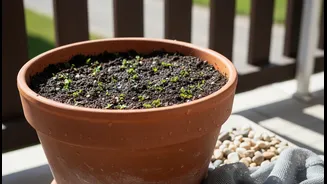
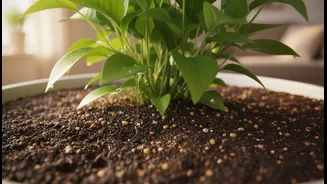
Never use soil directly from your garden in containers; it is too dense and heavy, retains too much water, and compacts easily. Instead, always use a high-quality potting mix specifically formulated for containers. These mixes are lighter and designed for better aeration and drainage. To further enhance drainage for plants that prefer drier conditions, you can amend your potting mix by adding materials like perlite, pumice, or coarse sand. Perlite, the small white volcanic glass that looks like popcorn, is particularly effective at creating air pockets and preventing compaction, which encourages healthy root growth.
Water with Intention
Proper watering technique is as important as the physical setup. The goal is to water thoroughly but infrequently. When you do water, do so until you see it running freely from the drainage holes at the bottom. This ensures the entire root ball is hydrated. Then, allow the top inch or two of the soil to dry out completely before watering again. Avoid a rigid watering schedule, as a plant's needs change with weather, humidity, and growth. Sticking your finger into the soil is the most reliable way to check moisture levels. This method prevents the constant surface-level watering that leads to soggy conditions deep in the pot where roots are most vulnerable.