





1. Choosing a Risky Destination
Not all destinations are created equal during the monsoon. The biggest mistake is choosing a spot prone to landslides or flooding. Hilly regions in the Himalayas, like parts of Uttarakhand and Himachal Pradesh, can experience dangerous landslides, leading
to blocked roads and stranded tourists. Similarly, certain coastal areas and low-lying regions can get severely waterlogged. Before booking, research your destination's monsoon safety record. Opt for places known to be beautiful and relatively safe during the rains, such as the less landslide-prone ghats in Maharashtra, the green hills of Coorg, or the lake city of Udaipur, which becomes exceptionally charming when the lakes are full.
2. Packing the Wrong Clothes and Footwear
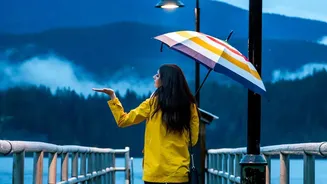
Cotton and denim are your worst enemies during the monsoon. They absorb moisture, take forever to dry in the high humidity, and can lead to fungal infections. A common error is packing jeans and heavy cotton t-shirts instead of lightweight, synthetic fabrics that dry quickly. For footwear, fashionable sneakers or leather shoes are a poor choice. They get ruined in water and offer no grip on slippery surfaces. The right move is to pack quick-dry clothing, a reliable waterproof jacket or poncho, and waterproof sandals or floaters with excellent grip.
3. Underestimating Travel Time and Delays
Assuming your journey will take the usual amount of time is a recipe for stress. Monsoon rains can lead to unpredictable traffic jams, waterlogged roads, and potential diversions. A three-hour drive can easily stretch to five or six. It's a mistake to pack your itinerary too tightly without building in buffer time for such delays. Always start your road trips early in the morning to beat the worst of the traffic and avoid driving on unfamiliar, poorly lit roads at night during heavy rain. If relying on public transport, be prepared for potential train and flight delays.
4. Ignoring Health and Hygiene Precautions
The monsoon is a peak season for water-borne and mosquito-borne illnesses like dengue and malaria. A frequent mistake is consuming street food or water from unreliable sources, which poses a high risk of contamination. Always drink bottled or purified water and prioritise freshly cooked meals. Another oversight is not protecting yourself from mosquitoes. Carry and use a strong insect repellent, especially during the evenings. It’s also wise to pack a basic first-aid kit with essentials for common ailments like fever, diarrhoea, and any personal medications.
5. Relying Entirely on Digital Technology
In many remote or hilly areas, heavy rains can lead to power outages and patchy mobile networks. A critical error is depending solely on Google Maps for navigation or digital payment apps. Your phone could run out of battery with no place to charge it, or you might find yourself in an area with zero connectivity. Always download offline maps for your route and destination. It's also prudent to carry a fully charged power bank and a sufficient amount of cash, as ATMs may be non-functional and digital payments might not be an option everywhere you go.
6. Forgetting to Protect Your Electronics
A sudden downpour can be fatal for your expensive gadgets. One of the most heartbreaking mistakes is not adequately waterproofing your smartphone, camera, and other electronics. Humidity alone can cause damage, even without direct rain exposure. Don't assume your regular backpack is waterproof. Invest in a good waterproof backpack or use a rain cover. For smaller gadgets, waterproof pouches or even simple zip-lock bags are an effective and inexpensive way to keep them dry and safe from moisture.
7. Over-scheduling Your Itinerary
Monsoon travel is best enjoyed at a slow, relaxed pace. Trying to cram too many sights and activities into a short weekend is a mistake that leads to exhaustion, not enjoyment. The weather is the real boss here, and it might force you to spend an afternoon indoors. Instead of fighting it, embrace it. Plan for one major activity per day and leave plenty of free time to simply enjoy the atmosphere—sipping hot tea while watching the rain, reading a book by the window, or taking a leisurely walk when the downpour subsides. A flexible plan makes for a much more serene escape.