







The City Under Water
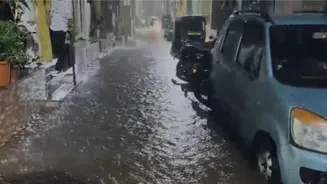
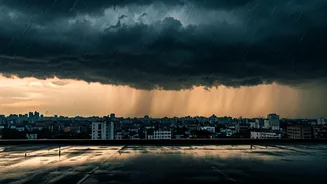
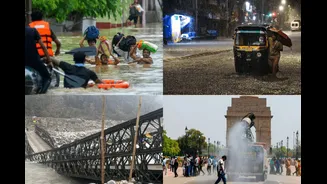
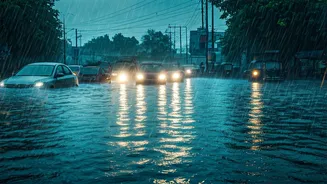
After a brief lull over the weekend, heavy overnight showers returned to Mumbai, leading to significant waterlogging in several low-lying areas by Monday morning. [4] Key transport arteries and chronically affected spots like the Andheri subway were submerged,
forcing authorities to close it to traffic as a precautionary measure. [4, 6] Areas such as Hindmata, King's Circle, Sion, and parts of the Western Express Highway experienced severe water accumulation, slowing vehicular movement to a crawl and causing major disruptions for early morning commuters. [6, 7] The India Meteorological Department (IMD) had already issued a yellow alert for the city, warning of more rain, thunderstorms, and gusty winds, signaling a wet and challenging week ahead for residents. [4, 11]
A Digital Flood of Information
While the city’s infrastructure groaned under the weight of the water, a different kind of flood was happening online. Social media platforms, particularly X (formerly Twitter), exploded with posts, pictures, and videos from citizens across the metropolis. The hashtags #MumbaiRains and #MumbaiTraffic began trending as thousands of users shared real-time updates from their localities. These weren't just complaints; they were a massive, decentralized effort to inform fellow residents. The online traffic reports from users on the ground often provided more immediate and granular detail than official channels could, mapping out the unfolding situation street by street.
Citizens as First Responders
This digital mobilisation has transformed Mumbaikars from passive victims of the rain into active participants in managing the chaos. Commuters shared specific details about which roads were passable, the depth of water in certain subways, and which train lines were running with delays. This crowd-sourced intelligence allows people to make informed decisions about their travel, potentially saving them from hours of being stranded. This phenomenon has become an integral part of the city's monsoon coping mechanism, a testament to the resilience and collaborative spirit of its people. Unique forms of protest have also emerged, with residents in areas like Powai sitting in waterlogged streets to highlight administrative apathy, a protest that immediately goes viral. [8]
Official Channels Play Catch-Up
Official bodies like the Mumbai Traffic Police and the Brihanmumbai Municipal Corporation (BMC) are increasingly leveraging social media themselves. The Mumbai Traffic Police's X handle has become a crucial source of information, providing updates on road closures, diversions, and cleared waterlogging. [23] They also share videos of officers assisting stranded motorists, reinforcing their presence on the ground. [15] While the BMC faces perennial criticism over its preparedness, with promises of clean drains often challenged by the first heavy downpour, its social media channels are used to disseminate advisories and warnings from the IMD. [5, 25] The challenge for these official accounts is keeping pace with the rapid-fire, on-the-ground reporting of thousands of citizens.
Navigating the Information Overload
While the explosion of online updates is invaluable, it also comes with risks. Misinformation, outdated reports, and panic-inducing but unverified videos can spread just as quickly as helpful tips. For the system to work, users must be discerning consumers of information. It is crucial to check the timestamp of updates, as the situation on a particular street can change in minutes. Following reliable and official handles is as important as listening to the crowd. Cross-referencing information from multiple sources before making a travel decision is the best way to leverage this digital lifeline without falling prey to its pitfalls. Despite the challenges, the blend of official advisories and citizen reporting represents Mumbai's modern-day response to its oldest civic challenge.