








1. Embrace the Classic Tiffin Service
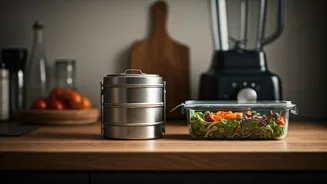
The humble 'dabba' is no longer just for office-goers. For students living in PGs or flats, tiffin services are a lifesaver. These services deliver daily home-style meals—typically dal, sabzi, roti, and rice—right to your doorstep. The primary appeal
is convenience and the promise of a hot, home-cooked meal without any of the work. Costs can vary widely based on your city and the quality of the service, but they often work out to be more economical than ordering from restaurants daily. The biggest challenge? Finding a reliable provider whose food doesn't become monotonous after a few weeks. Pro tip: Ask for trial meals from a few different vendors before committing to a monthly subscription. Check local community groups and ask seniors for trusted recommendations.
2. Try Modern Meal Subscriptions
A step up from the traditional tiffin are modern meal subscription platforms. Services like EatFit or some offerings on Zomato and Swiggy allow for more flexibility and variety. Instead of a fixed daily menu, you can often choose your meals from a wider selection, catering to different dietary preferences like high-protein or vegetarian. While slightly more expensive than a local tiffin provider, these services offer better packaging, calorie-counted options, and the convenience of managing your subscription through an app. This model is perfect for the student who wants healthy, varied food but is willing to pay a small premium for the added control and choice. The downside is that it can still feel less personal than a home-cooked meal, and the cost can add up if you're not on a disciplined budget.
3. Master the Art of Weekend Batch Cooking
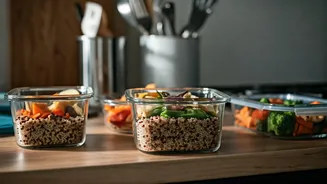
For those who don't mind a little cooking but hate the daily cleanup, batch cooking is the answer. The concept is simple: dedicate a few hours on a Sunday to prepare the base components for your meals for the week ahead. This doesn't mean eating the same curry for five days. You can cook a large batch of base gravy (onion-tomato masala), which can be adapted daily into different dishes. Boil potatoes, cook chickpeas, and chop vegetables to store in the fridge. This way, assembling a meal on a busy weeknight takes 15 minutes instead of an hour. It’s the most cost-effective solution and gives you complete control over ingredients and hygiene. The main investment is time—you have to be willing to sacrifice a small part of your weekend for a stress-free week.
4. Hack Your Hostel or PG Mess
If you live in a hostel, the mess is your most obvious food source. But let's be honest, the quality and variety can be unpredictable. Many students are now 'hacking the mess.' Instead of relying on it for every meal, they use it strategically. They’ll eat the basics like dal, rice, and roti from the mess but supplement it with their own additions. This could be as simple as keeping a jar of achaar, a block of cheese, or some fried onions in their room. Others might bring their own sabzi from a tiffin service or a quick stir-fry made on an induction cooktop (where permitted). This hybrid approach helps break the monotony of mess food without the full expense or effort of cooking every meal from scratch. It’s about leveraging the cheapest available option and making it better.
5. Form a Shared Cooking Rota
Living with roommates? A shared cooking rota can be a game-changer. Instead of every person fending for themselves, you can assign cooking days. If there are four of you, each person only has to cook twice a week at most. This system not only divides the labour but also the cost of groceries. It fosters a sense of community and ensures everyone gets a hot meal without the daily burden. The key to making this work is clear communication and setting ground rules from the start. Agree on a budget, basic meal types (veg/non-veg), and a protocol for cleaning up. When it works, it’s a beautiful system that combines the cost-effectiveness of home cooking with significantly reduced individual effort. When it fails, it’s usually due to a lack of commitment from one or more members.