




Your First Line of Defence
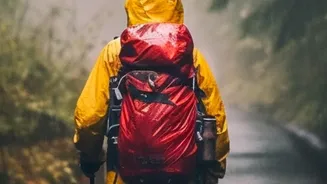
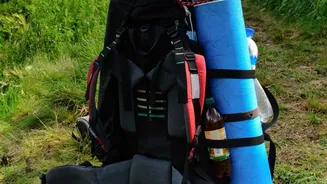
Before you even think about intricate hacks, start with the basics. Investing in a quality waterproof backpack is ideal, but a reliable rain cover for your existing pack is a non-negotiable first step. However, a cover alone isn't foolproof. During a prolonged
downpour, water can seep through the seams or the part of the pack against your back.. This is why your first line of defence should be paired with internal waterproofing.
The Dry Bag Doctrine
Think of dry bags as life jackets for your most precious gear. These lightweight, waterproof sacks are essential for anyone serious about keeping their electronics safe.. Pack your camera, phone, power bank, and passport into separate dry bags before placing them in your backpack.. They come in various sizes and provide a robust, sealed barrier against moisture, ensuring that even if your main pack gets damp, your gadgets remain perfectly dry. This layered approach is a golden rule for monsoon trekking.
Embrace Ziplock Bags and Silica Gel
For a budget-friendly alternative, simple zip-lock bags can be surprisingly effective.. Use the “double-bagging” method: seal your phone in one bag, squeeze the air out, and then place it inside a second bag. It’s an inexpensive way to add an extra layer of protection.. Also, start collecting those little silica gel packets you find in new shoe boxes or with electronics.. Tossing a few of these into your electronics bag will help absorb any ambient moisture or condensation that might build up, offering another layer of defence against humidity..
Pre-Treat Your Shoes
When it comes to mud-free shoes, prevention is far better than cure. Before your trip, give your footwear a thorough waterproofing treatment.. For leather or synthetic shoes, a quality waterproofing spray creates an invisible barrier that causes water to bead up and roll off.. For more robust protection, especially on leather, a wax-based product can be rubbed in.. This not only repels water but also makes it much harder for mud to stick. Always clean your shoes thoroughly before applying any treatment.
The Petroleum Jelly Hack
For a simple, at-home hack, a thin layer of petroleum jelly can provide a temporary water-resistant barrier for your shoes.. After ensuring your shoes are clean and dry, apply a light, even coat over the outer surface with a soft cloth. This helps repel water during light to moderate rain and can also offer some protection from mud.. Wipe off any excess to avoid a greasy finish. It's a quick fix that can make a surprising difference.
Pack a Quick-Clean Kit
No matter how well you prepare, some mud is inevitable. The trick is to deal with it before it dries and sets. Pack a small, lightweight shoe cleaning kit consisting of an old toothbrush and a small microfibre cloth.. As soon as you get back to your accommodation, take two minutes to brush off any fresh mud from the soles and wipe down the sides.. This daily maintenance prevents buildup and stops you from having to tackle a much bigger cleaning job later.
The Right Way to Dry
If your shoes do get soaked, never try to speed-dry them with a heater or in direct sunlight, as this can cause the material to crack or warp.. The best method is to stuff them with crumpled newspaper or paper towels, which will absorb the moisture from the inside.. Remove the insoles and dry them separately.. Replace the damp paper every few hours until the shoes are completely dry. Proper air drying is crucial for preventing odours and maintaining the shoe's shape.