






Start with an Inventory
Before you even think about recipes or shopping lists, look at what you already have. Check your refrigerator, freezer, and pantry for ingredients that need to be used up. This simple five-minute scan is the foundation of a waste-free kitchen. Pay special
attention to highly perishable items like leafy greens, berries, fresh herbs, and leftovers. Professional kitchens call this system FIFO, or "First In, First Out." By moving older items to the front and placing new ones at the back, you create a natural rotation that ensures nothing gets lost or forgotten. This habit makes you more aware of your stock and helps you build meals around what needs to be used soonest.
Understand Food Timelines
Not all foods are created equal when it comes to shelf life. Structuring your menu requires knowing how long different ingredients will last. Highly perishable items like fish, berries, leafy greens (like spinach), and mushrooms should be planned for meals at the beginning of the week. Foods with a medium shelf life, such as chicken, bell peppers, tomatoes, and dairy products like milk and yogurt, are best used mid-week. For the latter part of the week, rely on your most stable ingredients. This includes hard vegetables like potatoes, onions, carrots, and cabbage, as well as pantry staples like pasta, rice, lentils, and canned goods. Frozen foods also offer great flexibility for end-of-week meals.
Structure Your Weekly Plan
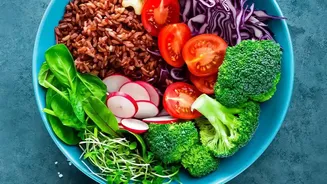
With your inventory and food timelines in mind, you can now build a practical weekly menu. Think of it as a game of strategy. For Monday and Tuesday, plan dishes that feature those most delicate ingredients. Think a fresh fish curry, a spinach and paneer sabzi, or a big salad with fresh berries. As you move into Wednesday and Thursday, you can shift to meals using ingredients like chicken, capsicum, and eggs. By the time Friday and the weekend arrive, you can creatively use the remaining hard vegetables and pantry items. This might be the perfect time for a hearty dal, a potato-based curry, or a pasta dish. Planning for leftovers is also a key strategy; cook a larger batch of a recipe early in the week and plan to eat the rest later.
The 'Eat Me First' Zone
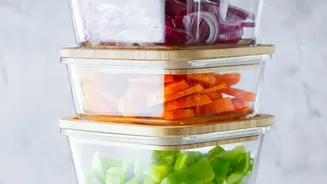
A brilliant and simple trick to keep your plan on track is to create an “Eat Me First” bin or shelf in your refrigerator. This designated, visible space is for any food that is approaching its use-by date. This includes leftovers, half-used vegetables, or dairy products that are nearing their end. Grouping these items together makes it easy for anyone in the household to see what needs to be eaten first when looking for a snack or a quick meal. You can use a clear container or even just a designated section of an upper shelf, which is often a good spot for ready-to-eat foods. This visual cue removes the guesswork and makes it far less likely for food to spoil.
Shop Smarter, Store Better
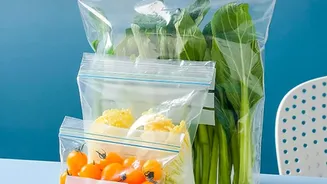
A great menu can be undone by poor shopping and storage habits. Once your menu is planned, create a detailed grocery list based only on the ingredients you don't already have. Be specific about quantities to avoid overbuying. When you get home, proper storage is crucial for extending the life of your produce. For example, many fruits and vegetables are best stored in separate crisper drawers, as some fruits emit ethylene gas that can cause other produce to ripen and spoil faster. Store most vegetables in the fridge, but keep items like tomatoes, potatoes, onions, and garlic at room temperature in a cool, dark place. Using airtight containers can also help keep food fresh and your fridge organised.