







Your Muscle's 'Real' Age
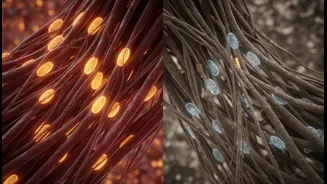
Forget your chronological age for a moment. Your muscles have their own 'molecular age'. Scientists can measure this using markers on your DNA, creating what’s called an 'epigenetic clock'. This clock shows the biological, not chronological, age of your tissues.
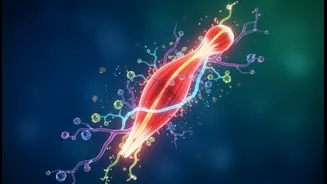
With time, our muscles naturally see a decline in the function of their mitochondria—the tiny powerhouses inside our cells. This slowdown in energy production is a hallmark of aging. However, research increasingly shows that we have more influence over this process than previously thought, and the key lies in consistent, structured exercise. Studies show regular physical activity can delay and even reverse some of these age-related molecular changes.
What is an 'Exercise-Trained' Muscle?
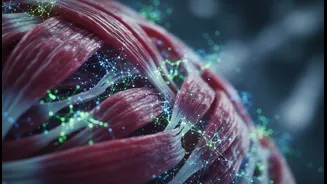
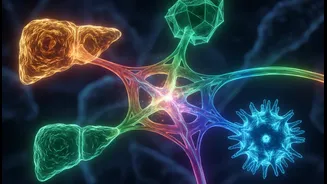
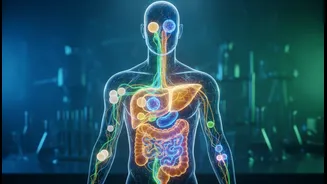
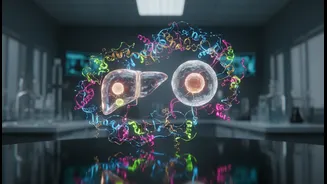
An 'exercise-trained' muscle is not just one that gets used occasionally. It's a muscle that has adapted over time to repeated and consistent stress from exercise. This adaptation leads to profound changes. Trained muscles become more efficient at using fuel, develop better endurance, and feature enhanced mitochondrial function. Think of it as upgrading your body's engine. This training makes the muscle stronger and more resilient. Furthermore, contracting muscles release beneficial proteins called myokines, which have anti-inflammatory effects and communicate with other organs like the brain and liver, improving overall metabolic health. This makes the muscle an active player in your body’s entire wellness system.
Consistency Over Intensity
While a tough workout feels great, studies suggest that the real magic for molecular aging lies in consistency. Muscles respond to regular demands. Sporadic, intense sessions followed by long periods of inactivity don't allow for the deep, cellular adaptations that combat aging. Consistent training, on the other hand, essentially teaches your muscle cells to maintain a more youthful state. Recent research has even identified specific molecular switches that exercise can flip. For instance, physical activity can lower levels of a gene called DEAF1, which becomes overactive in aging muscle and disrupts the natural clean-up and repair processes. By consistently keeping these pathways active, you help your muscles maintain their ability to repair and rebuild themselves.
The Role of Muscle Metabolism
Muscle metabolism—how your muscles use energy—is at the heart of this entire process. Skeletal muscle is a major site for glucose disposal, meaning it's crucial for managing blood sugar. As we age, we tend to lose muscle mass, a condition called sarcopenia, which can begin as early as our 30s. This loss impairs our metabolic health and can lead to insulin resistance. Regular exercise, especially resistance training, helps maintain and build muscle mass, preserving this vital metabolic function. It enhances the muscle's ability to take up glucose and improves the efficiency of its mitochondrial powerhouses, directly fighting some of the key metabolic declines associated with aging.
What This Means For You
The science sounds complex, but the takeaway is refreshingly simple: moving your body consistently is a powerful anti-aging tool. For maximum benefit, a well-rounded fitness program is ideal, incorporating both aerobic exercise and resistance training. Resistance training, which involves working muscles against a force (like weights, bands, or your own bodyweight), is particularly effective for building and maintaining muscle mass and strength. Aerobic or high-intensity training helps improve mitochondrial function. The key is to find activities you enjoy and can stick with. You don't need to become an elite athlete. The goal is to make structured, consistent physical activity a non-negotiable part of your life, giving your muscles the best chance to stay functionally young for years to come.