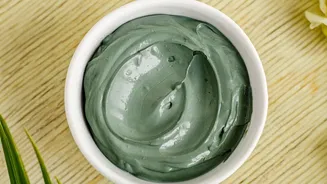



The idea of a chocolate face mask sounds like the ultimate self-care treat. It’s decadent, smells divine, and feels like a harmless indulgence. But before you slather on that cocoa goodness, it’s worth knowing what might be hiding inside.
The Sweet Allure of Cocoa Skincare
It’s no surprise
that chocolate has found its way from our dessert plates to our skincare routines. Pure cocoa powder itself is packed with antioxidants called flavonoids. These powerful compounds are known to help protect the skin from environmental damage and can improve blood flow, which may lead to a more radiant complexion. Studies have even suggested that the antioxidants in cocoa can help neutralize free radicals, which contribute to signs of aging. With benefits like hydration and boosted collagen production also touted, the appeal is obvious. This has led to a boom in both commercially available chocolate-themed masks and countless DIY recipes circulating online, promising a spa-like experience from the comfort of your home.
When Chocolate Turns Troubling
The problem often isn’t the cocoa itself, but everything else that comes with it. When you’re using a product derived from an actual chocolate bar or a commercial mask, you’re exposing your skin to more than just cocoa. Many chocolate products contain ingredients that have no business being on your face. Common culprits include milk, soy, nuts, and gluten, all of which are potential allergens that can trigger reactions in sensitive individuals. Even if you don't have a specific food allergy, these ingredients can sometimes be comedogenic, meaning they can clog pores and lead to breakouts. It's important to remember that facial skin is often far more sensitive than the skin on the rest of your body, and what you can eat without issue might still cause a topical reaction.
Hidden Irritants in Masks
Beyond common food allergens, many face masks—chocolate-themed or otherwise—can contain a host of potential irritants. Artificial fragrances are a primary offender, often causing contact dermatitis, which presents as an itchy, red rash. Preservatives like parabens and formaldehyde-releasing agents are another concern; they extend a product's shelf life but can trigger allergic reactions in some people. Similarly, sulfates, which create a lathering effect, can strip the skin of its natural oils, leading to dryness and irritation. Even certain essential oils, while natural, can be potent sensitizers, especially in high concentrations. These additives are designed for product stability and sensory experience, not necessarily for optimal skin health.
The Pitfalls of DIY Recipes
Whipping up a mask in your kitchen might seem like a safer, all-natural alternative, but it comes with its own set of risks. Many popular DIY chocolate mask recipes call for melting down a standard chocolate bar, which reintroduces issues like high sugar content. Sugar particles can be abrasive and scratch the skin's surface. Other common additions can also be problematic. For example, adding acidic ingredients like lemon juice can disrupt your skin's natural pH balance, causing severe irritation. A homemade concoction also lacks preservatives, making it a breeding ground for bacteria if not used immediately. One dermatologist specifically advises against prepackaged masks that may contain jagged salt or sugar particles, recommending a homemade version with carefully selected ingredients like plain yogurt and dark cocoa powder instead.