







Why Your Skin Needs a Seasonal Shift
The crisp, cool air of October feels refreshing, but it marks a significant environmental change for your skin. Lower humidity, combined with indoor heating, creates a challenging environment that can strip moisture from your skin's protective barrier.
This natural barrier, made of lipids, is crucial for locking in hydration and keeping irritants out. When weakened, it can lead to increased dryness, flakiness, sensitivity, and even breakouts as the skin tries to compensate. Transitioning your skincare isn't about buying a whole new collection; it’s about making smart, strategic swaps to support your skin's health through the changing conditions.
Step 1: Understand Your Skin's Autumn Reaction
How your skin responds to autumn depends on its type. Dry skin types may feel the effects most intensely, with tightness and flakiness becoming more pronounced. It's time to trade lightweight summer lotions for richer, more emollient creams that provide a stronger protective layer. Oily skin, surprisingly, can also face challenges. The dry air can dehydrate the skin, tricking it into producing even more oil to compensate, which can lead to clogged pores. People with oily skin should look for lightweight, non-comedogenic moisturizers to maintain balance without adding grease. Combination skin requires a targeted approach—perhaps a richer cream on dry cheeks and a lighter lotion on the T-zone. Those with sensitive skin or conditions like eczema and rosacea should be especially gentle, as the seasonal shift can trigger flare-ups.
Step 2: Adjust for Your Local Climate
Your geographical location plays a huge role in your skincare needs. Someone in a dry, windy climate will need a more robust, protective routine than someone in a milder, more humid region. The primary culprit in autumn is the drop in humidity, both outdoors and indoors. Central heating systems are notorious for sucking moisture out of the air, which in turn draws moisture from your skin. Using a humidifier in your bedroom can add much-needed moisture back into your environment overnight. Regardless of climate, sun protection remains non-negotiable. UV rays are present year-round, even on cloudy days, so continuing to use a broad-spectrum SPF of 30 or higher is essential for preventing sun damage and premature aging.
Step 3: Audit and Adapt Your Routine
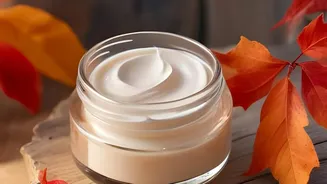
A seasonal transition is the perfect time to evaluate your current products. Consider making a few key adjustments: switch to a gentler, more hydrating cleanser that won't strip your skin's natural oils. Foaming cleansers that felt great in the summer might be too harsh now; a cream or milk-based formula is often a better choice. Next, ramp up hydration by incorporating a dedicated serum. Look for products containing hyaluronic acid, which can hold many times its weight in water, to give your skin a plumping moisture boost. Finally, upgrade your moisturizer. This is often the most important fall switch. Look for creams with ingredients like ceramides, which help repair the skin's barrier, and shea butter or squalane for lasting nourishment. Layering these products from thinnest (serum) to thickest (cream) will ensure maximum absorption and effectiveness.
Key Ingredients and Gentle Habits
Beyond product swaps, certain ingredients become heroes in the autumn. Ceramides and peptides help strengthen the skin's barrier, while niacinamide can soothe irritation and even out skin tone. It's also a good time to be mindful of exfoliation. While still important for removing dull, dead skin cells, you may need to reduce the frequency or switch to a gentler exfoliant, like lactic acid, to avoid irritation. Simple habit changes also make a difference. Avoid overly hot showers, which can be very drying, and opt for lukewarm water instead. And remember to hydrate from within by drinking plenty of water throughout the day.